If there is one supplement that has earned its place on every serious athlete's shelf, it is creatine monohydrate. With over 1,000 peer-reviewed studies backing it, creatine is not a fad — it is science. Whether you are a college student hitting the gym for the first time or a 45-year-old trying to hold on to your muscle mass, this guide gives you the full picture every Indian consumer needs.
Top Creatine Products

✨ AI Summary
- ✓Take 5g per day — no loading phase needed; both approaches reach the same saturation level eventually
- ✓Age guide: 18+ freely; 16–17 can try 3g/day with medical supervision only; skip it under 16
- ✓Vegetarians benefit most — your baseline creatine is naturally very low on a meat-free diet
- ✓Best budget pick: AS-IT-IS or Nakpro (~Rs 380–450 for 250g)
- ✓Best tested Indian brand: MuscleBlaze (Trustified by Eurofins laboratory)
- ✓Pharmaceutical-grade quality: Wellcore Micronized Creatine (Creapure-source from Germany)
- ✓Mix with warm water or milk; drink 3.5–4 litres of water daily; avoid acidic juice
- ✓Safe for continuous year-round use — no cycling needed; the kidney damage myth is thoroughly debunked
What is Creatine?
Creatine is a naturally occurring compound found primarily in red meat and fish. Your body synthesises around 1–2 grams of creatine per day from the amino acids arginine, glycine, and methionine — produced in the liver, kidneys, and pancreas.
About 95% of your body's creatine is stored in muscle tissue as phosphocreatine. This phosphocreatine acts as a quick energy reserve that muscles tap into during short, explosive efforts — think heavy squats, sprint intervals, or the explosive bursts in kabaddi or football.
The Science: How Creatine Actually Works
Your muscles run on ATP (adenosine triphosphate) — the universal energy currency of the body. During a heavy set of bench press, muscles burn through ATP so fast that maximum effort can only be sustained for about 8–10 seconds before you start fading.
Phosphocreatine donates a phosphate group to spent ATP (ADP) to regenerate ATP almost instantly. More phosphocreatine in your muscles means more ATP available, which means more reps before muscle failure. Supplementing creatine increases your muscle phosphocreatine stores by up to 40% — a significant, measurable advantage backed by hundreds of studies.
Fun Fact: Creatine was first isolated in 1832 by French chemist Michel Eugene Chevreul from meat broth. The name derives from the Greek word kreas, meaning meat. Humans have been unknowingly consuming it for millennia — it just took two centuries to realise supplementing it could supercharge performance.
Proven Benefits of Creatine
- Increased strength and power output — studies average a 10–15% improvement in one-rep max
- More reps at a given weight, directly driving greater muscle growth over time
- Increased muscle volume — creatine draws water into muscle cells for a fuller, harder look
- Faster recovery between sets, allowing you to maintain intensity through a session
- Performance boost in high-intensity sports: sprinting, football, martial arts, swimming, kabaddi
- Cognitive benefits — creatine fuels brain energy metabolism, improving mental clarity under stress
- Muscle preservation during a caloric deficit — highly effective on a cutting phase
- Anti-ageing effects — slows the natural decline in muscle mass and strength with age
Age Guide: Who Should Take Creatine and How Much?
Most supplement guides skip this section entirely. The safety profile, purpose, and ideal dose of creatine vary meaningfully across different life stages. Here is a clear, honest breakdown.
Under 16 — Not Recommended
Adolescents under 16 should not supplement with creatine. The research base for this age group is limited, and young teenagers are still in active hormonal and skeletal development. A well-designed diet with adequate protein and carbohydrates is more than sufficient for performance at this stage. Prioritise sleep, whole foods, and technique — these deliver far more return than any supplement.
Under 16: Do not take creatine. Focus on whole foods, quality sleep, and mastering movements instead. Your natural hormonal environment at this age (high growth hormone + testosterone) is already optimised for muscle growth — supplements cannot improve on that.
Ages 16–17 — Proceed with Caution
For 16–17-year-olds who are heavily involved in competitive sports — state-level athletes or serious gym-goers training 5+ days a week — a conservative creatine protocol may be considered under adult supervision. If you proceed:
- Limit to 3g per day maximum — absolutely no loading phase
- Consult a doctor or certified sports nutritionist before starting
- Drink at least 3 litres of water daily
- Take a break and run a basic blood panel every 8–12 weeks
- Never exceed the stated dose thinking more means faster results
Ages 18–30 — The Prime Window
This is the optimal age range for creatine supplementation. You are old enough for the full safety data to apply, your kidneys are at peak capacity, and training intensity is typically at its highest. Creatine's performance benefits are most pronounced when combined with heavy resistance training. Expect noticeable strength gains and fuller-looking muscles within 2–4 weeks.
- Recommended dose: 5g per day
- Optional loading: 20g per day split into 4 doses for 5–7 days, then drop to 5g maintenance
- Best timing: post-workout alongside a carbohydrate and protein meal or shake
- Water intake: aim for 3–4 litres daily, more in summer
Ages 30–50 — Beyond Just Gym Gains
After 30, natural testosterone and growth hormone begin a gradual decline. Creatine becomes even more valuable here — not just for gym performance, but as a tool to counter the natural decline in strength and muscle mass. A growing body of research also documents cognitive benefits in this age group: improved working memory, mental clarity, and reduced mental fatigue under stress.
- Recommended dose: 3–5g per day
- Consistency matters more than any loading protocol at this age
- Consider an annual blood panel including creatinine and eGFR if you are taking creatine long-term
- Pair with adequate protein intake: 1.6–2.2g per kg of body weight daily
Ages 50+ — The Most Underrated Benefit
Creatine for older adults may be where it does its most important work. Sarcopenia — the age-related loss of muscle mass — is a major health concern after 50 that dramatically increases risk of falls, fractures, and metabolic disease. Research consistently shows that creatine combined with resistance training significantly slows this process. In older Indian adults eating less meat (especially in vegetarian households), creatine stores can be particularly depleted from the baseline.
- Recommended dose: 3–5g per day (start with 3g and assess tolerance over two weeks)
- Get medical clearance first, especially if you have any kidney-related conditions
- Research shows improvements in bone mineral density, cognitive function, and fall prevention
- Both components are needed: creatine AND resistance training together produce the strongest outcomes
Research from McMaster University found creatine combined with resistance training in adults over 55 produced 3x more lean mass gains compared to resistance training alone. The older you are, the higher the return on your creatine investment.
Safe Daily Limits by Age Group
- Under 16: 0g — Not recommended; insufficient safety data for this cohort
- Ages 16–17: Maximum 3g/day — only with medical supervision
- Ages 18–30: 3–5g/day (loading phase optional)
- Ages 30–50: 3–5g/day
- Ages 50+: 3–5g/day — confirm with your physician if you have any medical conditions
- Upper studied limit: 10g/day long-term in healthy adults showed no adverse effects in clinical trials
- The golden rule: more is not better. 5g/day is the proven sweet spot for full muscle saturation.
How to Take It: Loading vs. Slow Protocol
Two approaches work. Here is an honest comparison so you can choose what fits your situation:
Option 1: Loading Phase (Fast Saturation)
- Week 1 — 20g/day split into 4 doses of 5g (morning, pre-workout, post-workout, evening with meals)
- Week 2 onwards — drop to 5g/day as maintenance
- Muscles reach peak phosphocreatine saturation in 5–7 days
- Downside: GI discomfort (bloating, cramps) is more common during the loading week
- Best choice if you have a competition, sports event, or specific goal coming up within two weeks
Option 2: Slow Protocol (Recommended for Most People)
- Simply take 5g every single day — no loading phase required
- Reaches identical muscle saturation as loading, just takes 3–4 weeks instead of one
- Significantly gentler on your digestive system
- Far simpler to sustain as a long-term daily habit
- Best choice for: beginners, people with sensitive stomachs, anyone playing the long game
Timing tip: Take creatine after your workout alongside a carbohydrate-rich meal or protein shake. The resulting insulin response helps drive creatine into muscle cells more efficiently. On rest days, taking it in the morning with breakfast works perfectly fine.
Top 8 Creatine Products in India (2026)
When choosing creatine, look for: Creapure-grade source (pharmaceutical-grade creatine manufactured by AlzChem in Germany), micronized form for better dissolution, no unnecessary additives, and ideally third-party lab testing. Here are the best options available on Amazon India right now, ranked from most budget-friendly to premium:
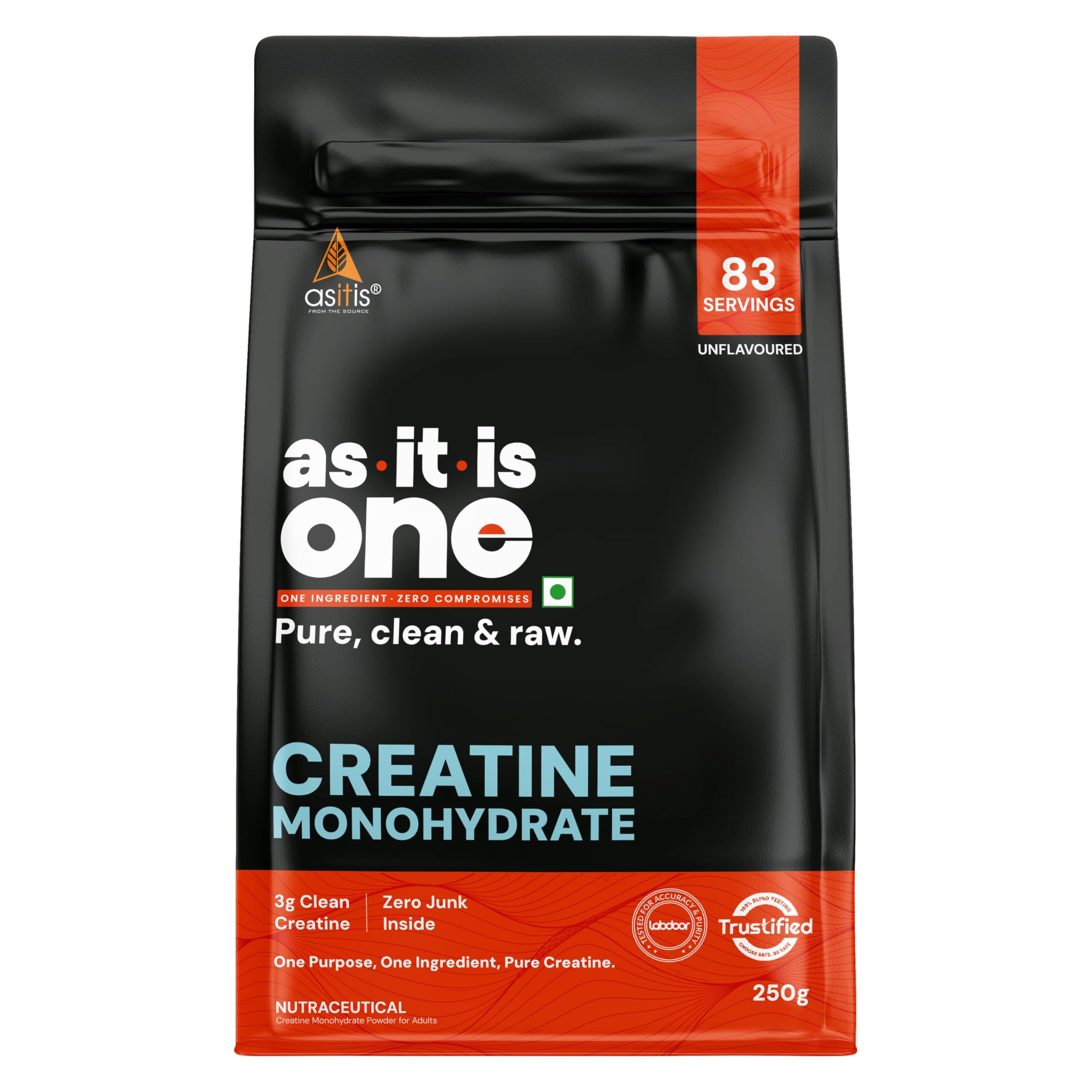
1. AS-IT-IS Creatine Monohydrate — Best Budget Pick
Unflavoured · 250g
- 3g creatine / serving
- Lab tested by Labdoor
- 4.2★ rated
- Form: Pure micronized creatine monohydrate, unflavored
- Serving size: 3g | Servings per pack: ~83 (250g tub)
- Price: Approximately Rs 380–450 for 250g — the lowest cost-per-serving available in India
- Third-party tested: Yes — lab reports publicly available on the brand website
- Vegetarian certified: Yes
- Ideal for: First-time buyers on a tight budget who want no-frills, independently verified quality
- Verdict: The default recommendation for most Indians. No fancy packaging, no marketing fluff — just clean creatine that does exactly what the research says.
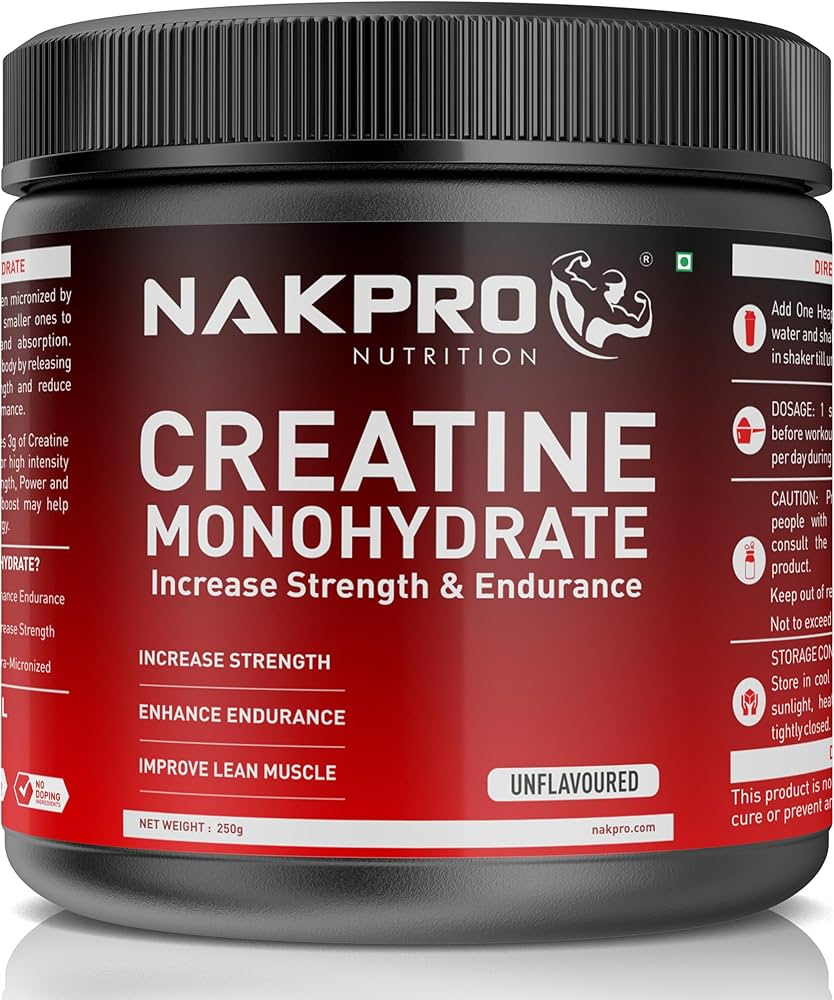
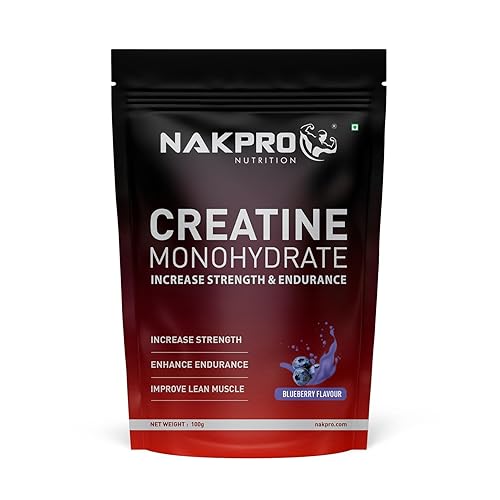
2. Nakpro Creatine Monohydrate — Best Value Under Rs 500
Unflavoured · 250g
- 3g creatine / serving
- Lab tested by Trustified
- 4.2★ rated
- Form: Micronized creatine monohydrate, unflavored
- Serving size: 3g | Price: Approximately Rs 430–480 for 250g
- FSSAI certified: Yes — full compliance with Indian food safety standards
- Vegetarian certified: Yes
- Ideal for: Those who want a trustworthy Indian brand with strong regulatory compliance
- Verdict: Consistent quality, good mixing, no clumping issues. A solid budget alternative to AS-IT-IS with a slightly different flavour profile.
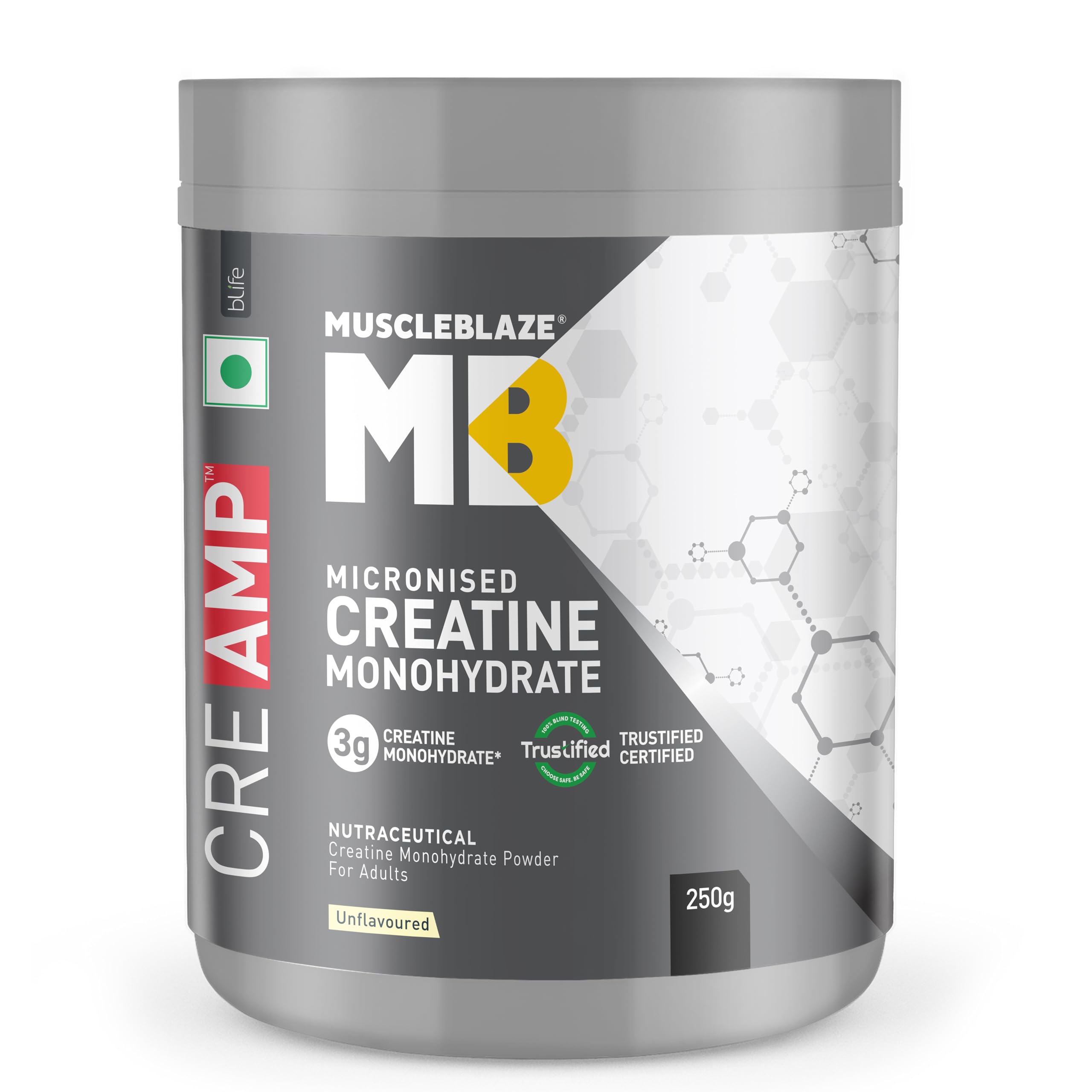
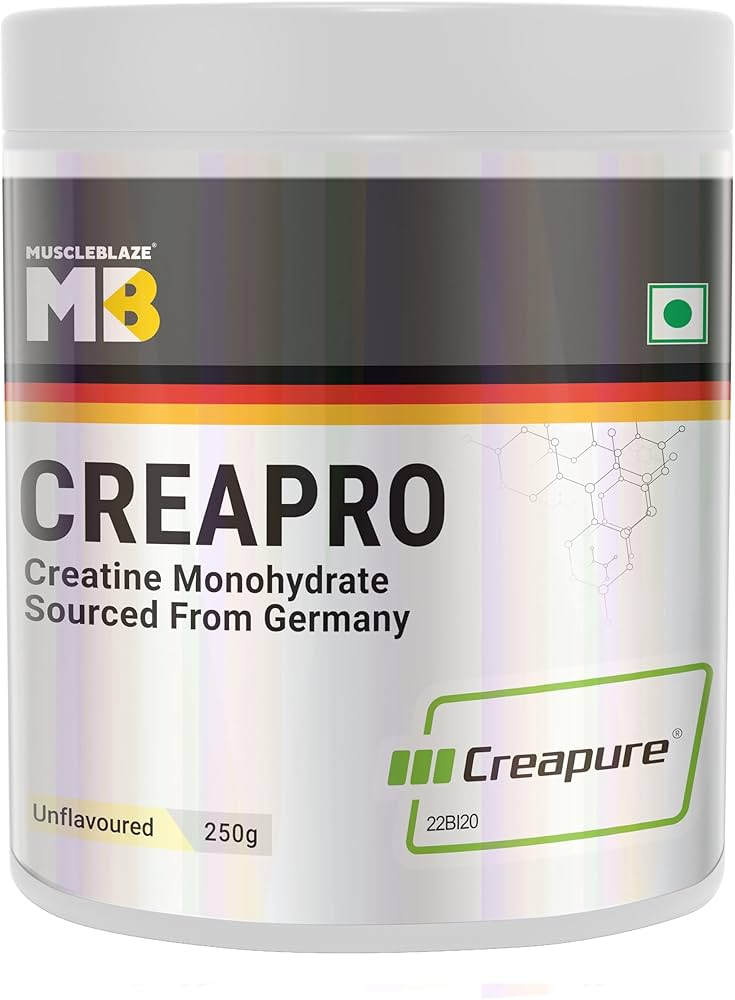
3. MuscleBlaze Creatine Monohydrate — Most Popular in India
Unflavoured · 250g
- 3g creatine / serving
- Lab tested by Trustified
- 4.2★ rated
- Form: Micronized creatine monohydrate, unflavored
- Serving size: 3g | Price: Approximately Rs 499–599 for 250g
- Third-party tested: Yes — Trustified by Eurofins laboratory
- Vegetarian certified: Yes (FSSAI green dot on pack)
- Ideal for: Brand-conscious buyers who want the most tested name in Indian sports nutrition
- Verdict: India's most recognised supplement brand. The small premium buys you the most robust quality documentation and the widest retail availability in the country.
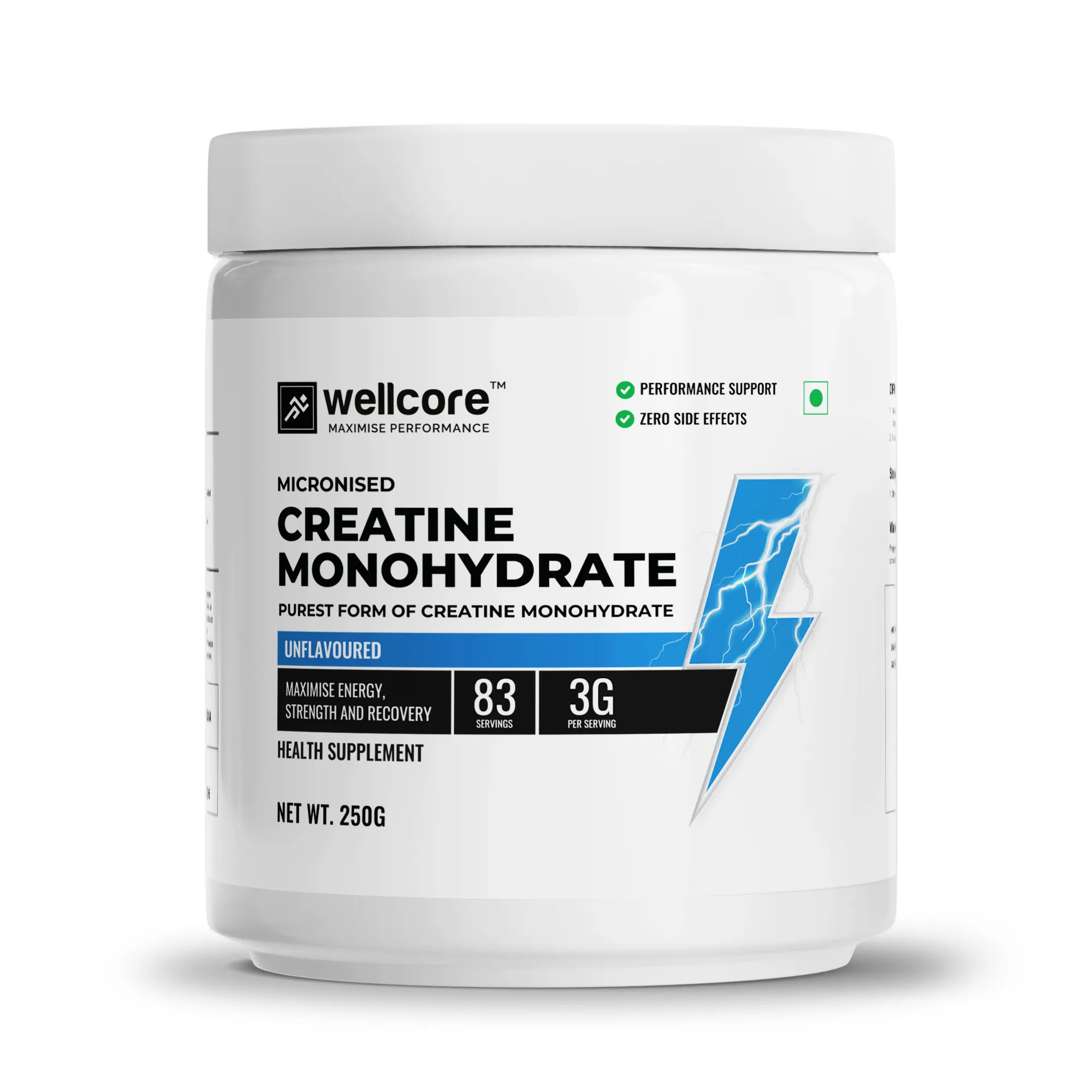
4. Wellcore Micronized Creatine — Best Creapure Option Under Rs 800
Unflavoured · 250g
- 3g creatine / serving
- Lab tested by Trustified
- 4.4★ rated
- Form: Creapure-grade creatine from AlzChem, Germany — the pharmaceutical-grade gold standard
- Serving size: 3g | Price: Approximately Rs 599–699 for 250g
- Third-party tested: Yes
- Vegetarian certified: Yes
- Ideal for: Quality-focused consumers who want pharmaceutical-grade creatine without paying import premiums
- Verdict: Creapure certification guarantees purity and potency is verified at the manufacturing source. If ingredient quality is your priority at a near-budget price, Wellcore wins.
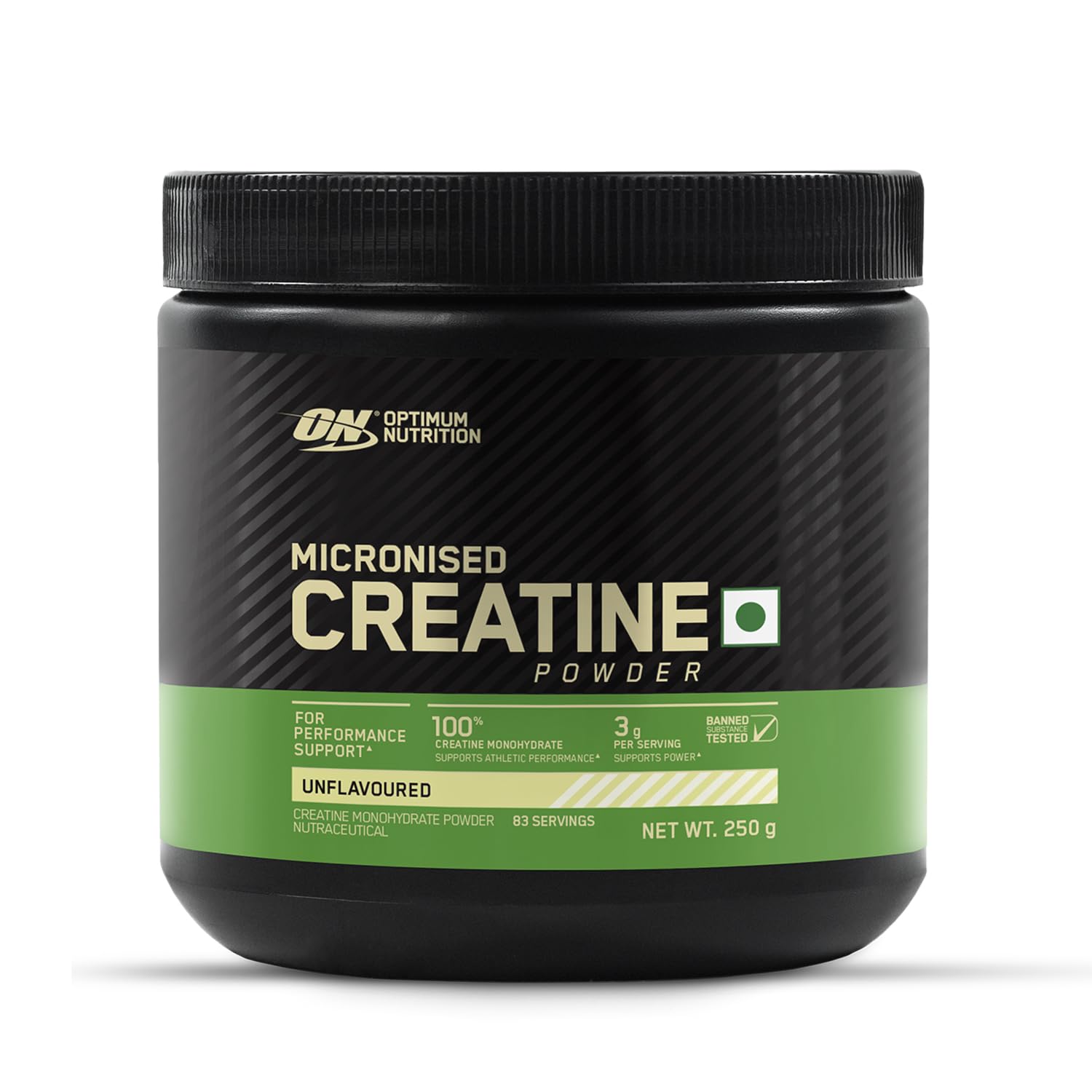
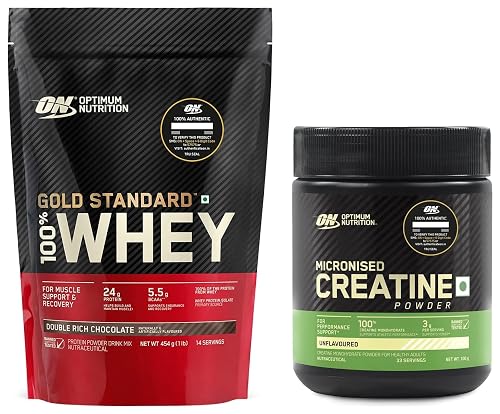
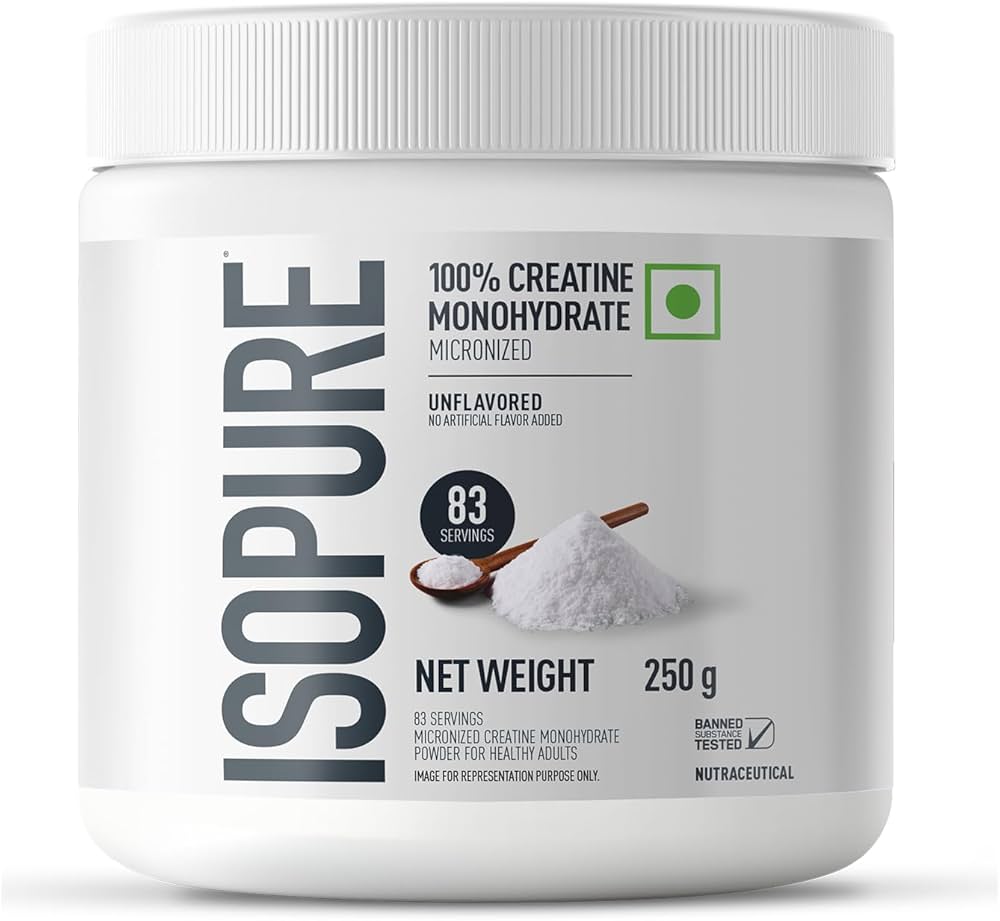
5. Optimum Nutrition (ON) Micronized Creatine — Best International Brand
Unflavoured · 250g
- 3g creatine / serving
- Lab tested by Informed Choice
- 4.3★ rated
- Form: Micronized creatine monohydrate, unflavored
- Serving size: 5g | Price: Approximately Rs 1,100–1,400 for 300g
- Origin: USA — Informed Sport anti-doping certified
- Vegetarian certified: Yes
- Ideal for: Competitive athletes who need Informed Sport certification for tested sports
- Verdict: Globally trusted and reliable. Worth the premium only if you specifically need Informed Sport certification. For recreational gym-goers, Indian alternatives offer equivalent quality at half the price.
6. MyProtein Creatine Monohydrate — Best for Bulk Buyers
- Form: Micronized creatine monohydrate, unflavored
- Serving size: 5g | Price: Approximately Rs 1,000–1,200 for 500g
- Origin: UK | Available on Amazon India with regular discount events
- Ideal for: Experienced supplementers who buy in bulk and want solid international quality
- Verdict: The 500g size delivers excellent per-gram value. Quality is consistent. A smart choice for anyone who goes through creatine quickly due to consistent daily training.
7. Nutrabay Pure Creatine Monohydrate — Best Platform Bundle
- Form: Micronized creatine monohydrate, unflavored
- Serving size: 3g | Price: Approximately Rs 380–450 for 250g
- Vegetarian certified: Yes
- Ideal for: Customers already ordering from Nutrabay who want to consolidate their supplement order
- Verdict: Competitive pricing and dependable quality. Best value when bundled with other Nutrabay products since the free shipping threshold drops significantly.
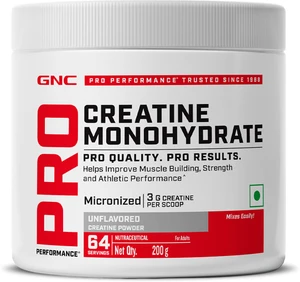
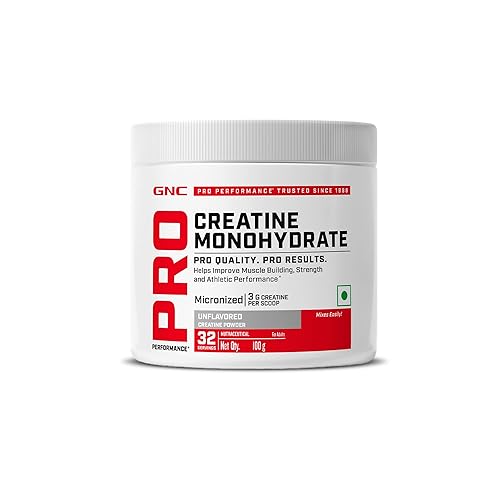
8. GNC Pro Performance Creatine — Best Offline Availability
Blueberry · 200g
- 3g creatine / serving
- 4.3★ rated
- 100% vegetarian
- Form: Creatine monohydrate
- Serving size: 5g | Price: Approximately Rs 1,200–1,400 for 250g — most expensive per gram on this list
- Available at: GNC India stores in major malls + Amazon India
- Ideal for: People who prefer buying supplements in person rather than ordering online
- Verdict: Significantly overpriced compared to Indian alternatives but uniquely available at physical retail locations nationwide. Only worth it if offline convenience is a hard requirement.
Not yet on WheySearch: MyProtein (#6) and Nutrabay (#7) creatine products do not have product pages listed yet. Both are reliable options available directly on Amazon India. We are working on adding them.
Quick Picks by Category — Tightest budget: AS-IT-IS or Nakpro. Best Indian brand with lab testing: MuscleBlaze. Best pharmaceutical-grade quality: Wellcore (Creapure). Competitive dope-tested athletes: ON or MyProtein (Informed Sport certified).
Special Note for Indian Vegetarians
Here is something most guides overlook entirely: vegetarians and vegans have significantly lower baseline creatine levels than omnivores, because creatine comes primarily from red meat and fish. Most Indian vegetarians — eating primarily dal, sabzi, roti, and dairy — consume virtually zero dietary creatine.
This means vegetarians typically see bigger performance improvements from creatine supplementation than meat-eaters do. Research shows vegetarians gaining up to 20–25% improvement in high-intensity performance after creatine loading, compared to 10–15% in omnivores. If you are vegetarian, creatine is arguably the single highest-impact supplement you can add to your routine.
All creatine monohydrate products are 100% vegetarian. Creatine monohydrate is synthesised chemically from sarcosine and cyanamide — no animal tissue is involved in the manufacturing process. Always confirm by checking for the FSSAI green dot on the label of your specific product.
Common Myths — Busted
Myth 1: Creatine Damages Your Kidneys
The most persistent myth in Indian fitness circles. The concern comes from the fact that creatine supplementation raises serum creatinine — a blood marker doctors use to assess kidney function. However, creatinine from creatine metabolism is structurally distinct from creatinine produced by kidney damage. Multiple long-term studies including trials up to 5 years of continuous daily use show absolutely no adverse kidney effects in healthy individuals. If you have pre-existing kidney disease, consult your nephrologist before starting.
Myth 2: Creatine Causes Water Retention and a Puffy Look
Creatine does increase water content in muscles — but this is intracellular water (inside muscle cells), not subcutaneous water (the layer under the skin that causes a soft, puffy appearance). The result is that your muscles look fuller and harder, not bloated. The 0.5–2kg of added scale weight in the first two weeks is almost entirely beneficial intracellular water — the same water that is associated with better performance.
Myth 3: You Need to Cycle Off Creatine
There is zero scientific evidence that cycling creatine provides any benefit whatsoever. Your body continues responding to it as long as training is consistent. You can take it year-round without cycling breaks. This myth is a leftover from the early steroid era — when cycling made sense for hormonal supplements — incorrectly applied to creatine by an uninformed fitness industry.
Myth 4: Creatine is a Steroid
Not remotely. Creatine is a naturally occurring compound found in everyday food. It is not hormonal, not anabolic in the steroid sense, and is fully legal in all competitive sports worldwide. WADA (World Anti-Doping Agency), the BCCI, the IOC, and every major Indian sports federation all explicitly permit creatine use. It is as legally and biologically natural as taking vitamin C.
Myth 5: Creatine is Only for Bodybuilders
Research documents benefits for cricketers, swimmers, martial artists, badminton players, older adults preserving muscle mass, office workers under cognitive stress, and even patients recovering from surgery. If your life involves any explosive movement — or if you want to maintain functional strength as you age — creatine is relevant to you.
Side Effects and Who Should Avoid It
Creatine is one of the safest supplements ever studied over decades of research. In the small minority who experience any side effects, they are mild and usually tied to the loading phase:
- GI discomfort: Bloating, cramps, or loose stools — almost exclusively during the 20g/day loading week. Switching to the 5g slow protocol resolves this in nearly all cases.
- Muscle cramps: Once assumed to be a side effect, but recent controlled studies do not support creatine as a causal factor. The solution is simply adequate hydration.
- Temporary weight gain: 0.5–2kg in the first two weeks from intracellular water is normal and desirable — this is not fat and is completely different from actual weight gain.
- Minor drug interactions: If you regularly take NSAIDs (ibuprofen or aspirin), high-dose caffeine, or diuretics, there are minor relevant interactions worth discussing with your doctor.
Who should avoid creatine without medical clearance: People with chronic kidney disease or a single kidney. Those on immunosuppressants or nephrotoxic medications. Pregnant or breastfeeding women (insufficient safety data exists for this group). Children under 16. If any of these apply to you, speak to your doctor before supplementing.
Pro Tips for Indian Conditions
- Hydrate more aggressively: India's heat and humidity means significantly higher sweat loss. On creatine, target 3.5–4 litres of water daily — more if you train in an un-air-conditioned gym.
- Always buy micronized creatine: Micronized form dissolves far better and causes significantly less GI discomfort than standard creatine granules.
- Mix with warm water or milk: Creatine dissolves best in warm liquids. If it clumps in cold water, switching to warm water solves it immediately.
- Avoid mixing with acidic juice: Creatine converts faster to creatinine (the inactive byproduct) in an acidic environment like orange juice. Use water, warm milk, or a protein shake instead.
- Store away from humidity: Keep your tub sealed in a cool, dry location away from direct sunlight. Monsoon humidity causes severe clumping — place a food-safe silica gel packet inside the tub during monsoon months.
- Skip overpriced gummies and effervescent tablets: Flavored creatine gummies contain very little actual creatine and cost 5–8x more per gram. Plain micronized powder is always the correct choice.
Frequently Asked Questions
Can women take creatine?
Absolutely. Women respond to creatine identically to men, with the same performance and recovery benefits. Research also documents that creatine helps women maintain bone mineral density and muscle mass — particularly important after age 30. The fear that creatine makes women look bulky is completely unfounded. Creatine cannot override hormonal biology; it simply improves the quality of whatever training you are already doing.
Do I need to take creatine on rest days too?
Yes — daily dosing including rest days is the right approach. Consistency keeps your muscle phosphocreatine stores at saturation. Missing occasional days will not undo your progress, but a daily habit ensures you stay at peak levels. Many people find it easier to add creatine to their morning routine rather than tying it to workout timing.
Is creatine banned in any competitive sport?
No. Creatine is fully legal under WADA, IOC, and all major Indian sports federation rules including BCCI. However, always buy from third-party tested brands to ensure your product is not contaminated with an incidentally banned substance — a real risk with poorly manufactured supplements where cross-contamination can occur during production.
Can I stack creatine with whey protein and pre-workout?
Yes — creatine stacks cleanly with all standard supplements. The most effective combination is creatine plus whey protein plus fast-digesting carbohydrates post-workout. If your pre-workout already contains creatine (check the ingredient panel), factor that amount into your total daily dose to avoid unnecessary excess above 5g.
I eat meat regularly — do I already get enough creatine from food?
A typical omnivore diet provides roughly 1–2g of creatine per day. Your muscles can hold approximately 3–4g of creatine per kilogram of muscle tissue when fully saturated. To reach full saturation from diet alone, you would need to eat roughly a kilogram of raw beef daily. Supplementing 3–5g per day is the only practical way to maintain full muscle saturation.
The Bottom Line
Creatine monohydrate is the supplement where science, price, safety, and convenience all align perfectly. It is not magic — you still need to train consistently, eat enough protein, and prioritise sleep. But among everything competing for space in your supplement budget, creatine has the most ironclad evidence base, the lowest risk profile, and the highest return on investment across essentially every age group and fitness goal.
For Indian consumers specifically: given lower average meat intake (especially in vegetarian households), a rapidly growing gym culture across tier-1 and tier-2 cities, hot humid conditions that accelerate creatine depletion through sweat, and excellent domestic brands like AS-IT-IS, MuscleBlaze, and Wellcore available at Indian price points, creatine is a near-universal recommendation for anyone serious about training or healthy ageing.
Start with 5 grams per day. Drink plenty of water. Train hard and consistently. Give it four full weeks. The results will speak for themselves.