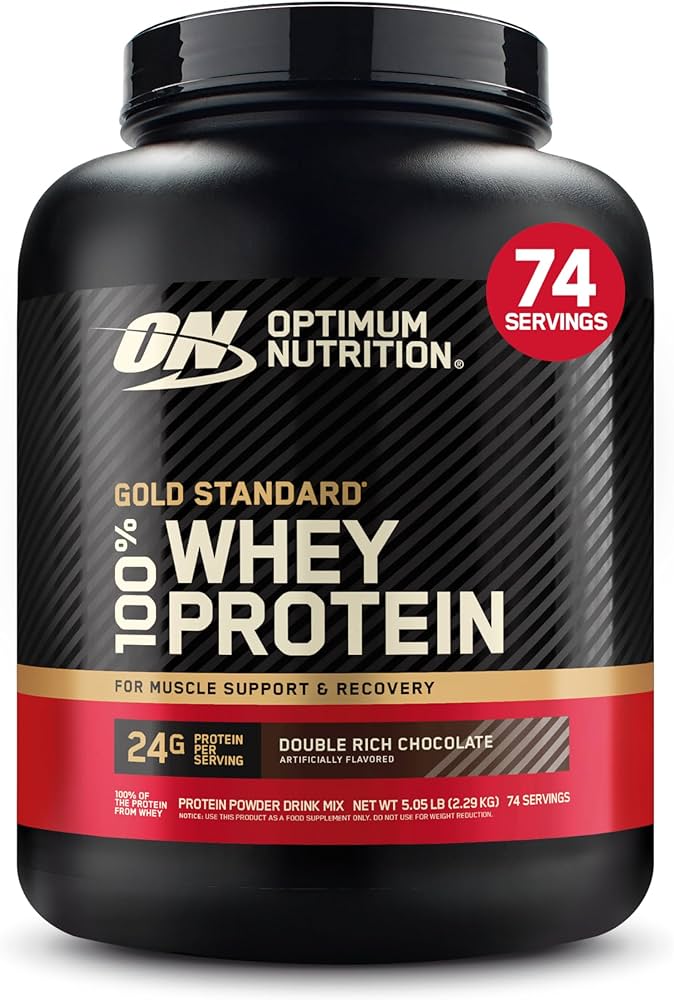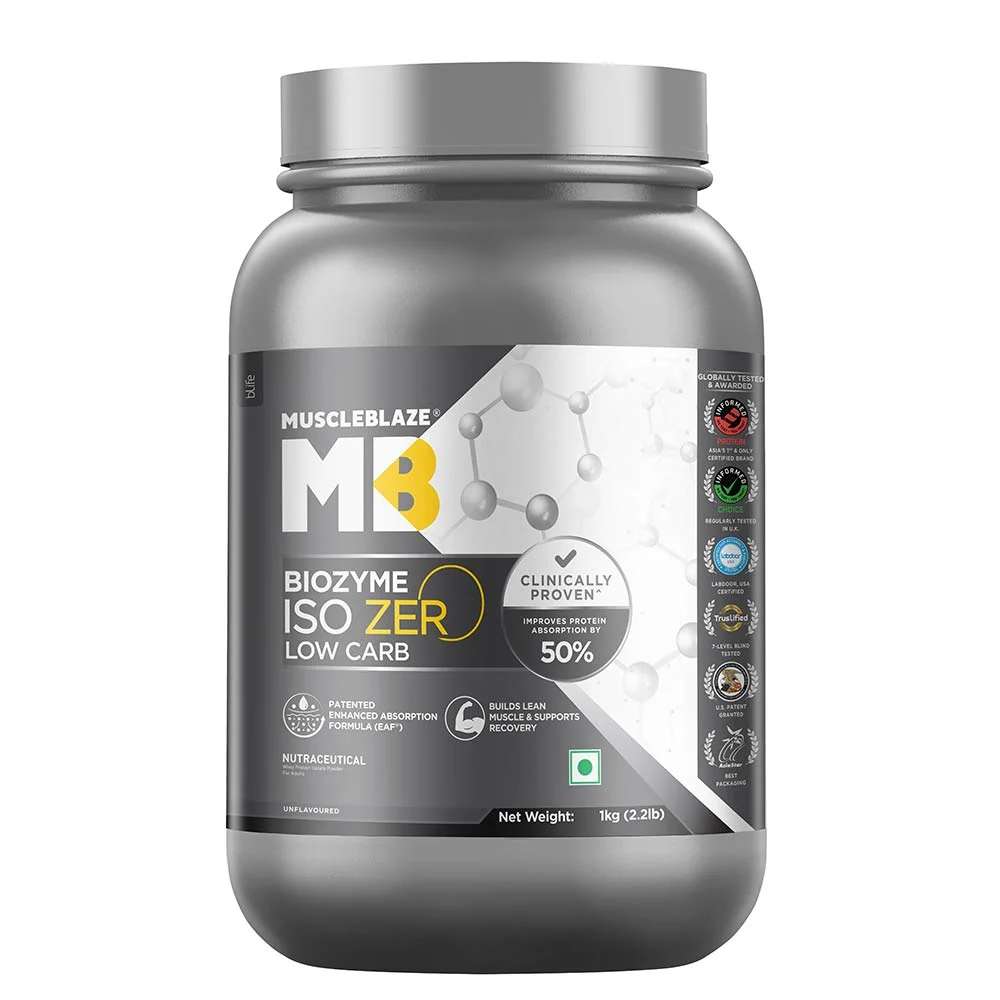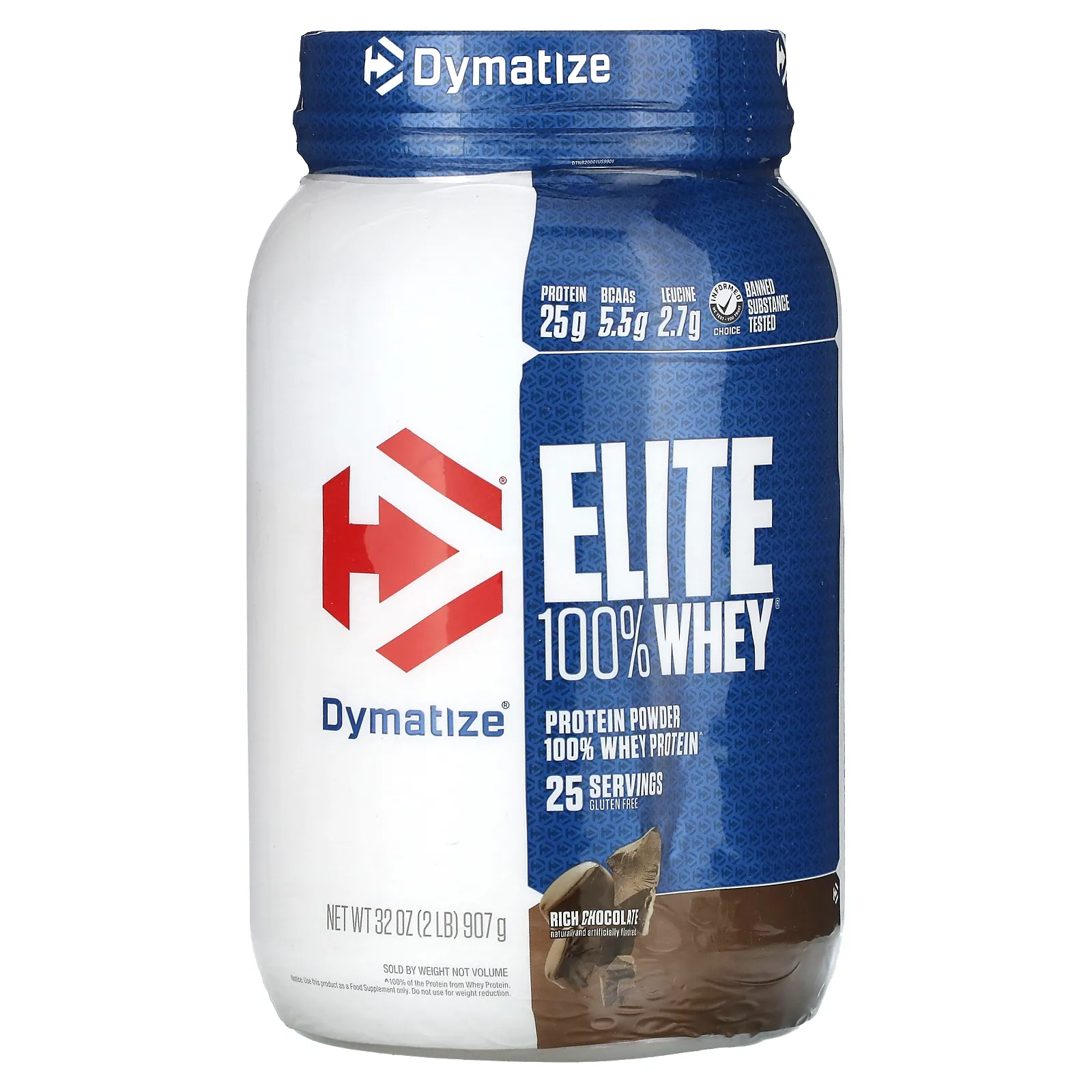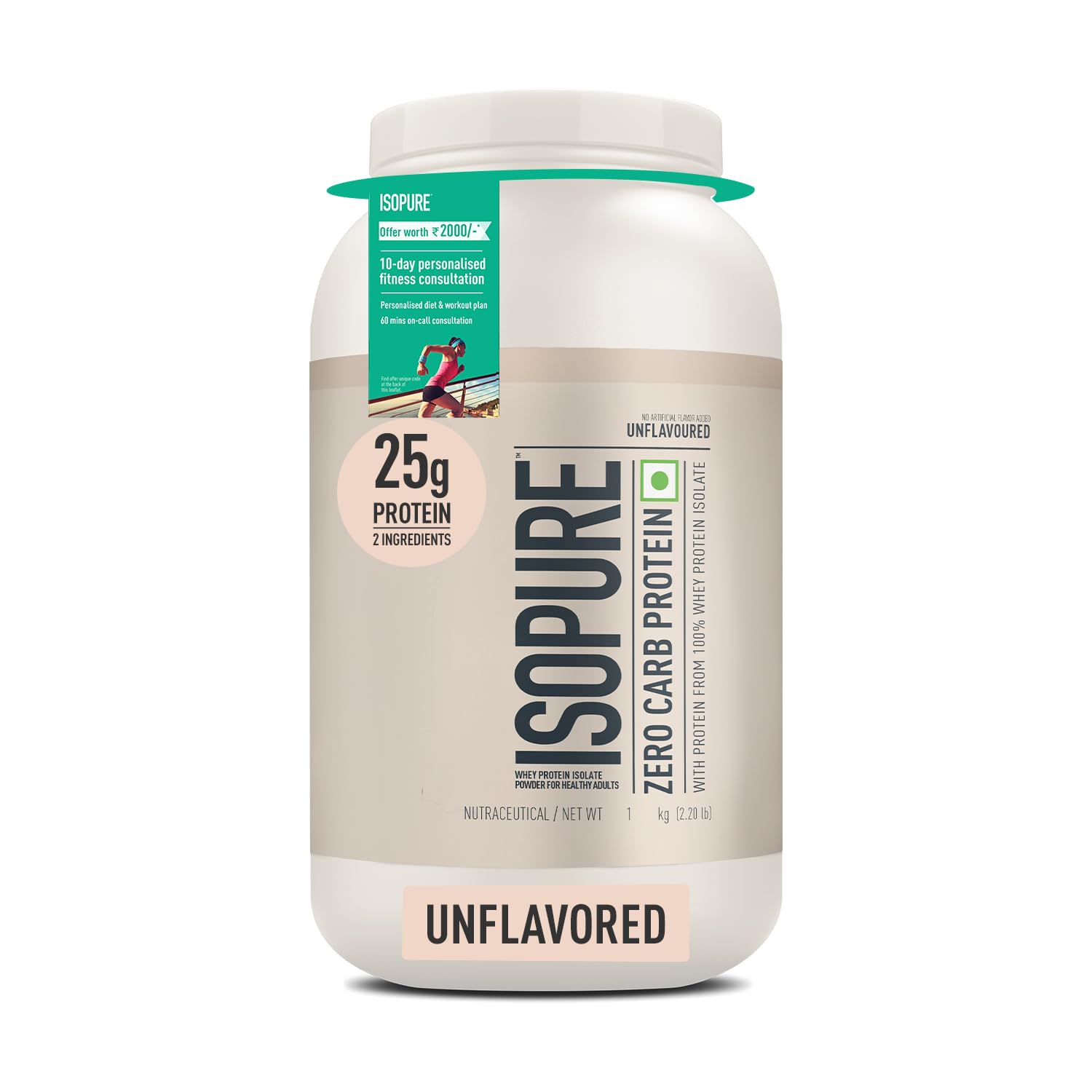
Reading supplement labels can be confusing, especially with all the marketing claims and technical terms. This guide teaches you how to decode the nutrition facts on protein powders, creatine, and pre-workouts sold in India.
The FSSAI Logo and License Number
All food products sold in India must have an FSSAI (Food Safety and Standards Authority of India) license number. This 14-digit number should be clearly visible on the label. It indicates the product has been registered and meets basic safety standards.
The green dot indicates vegetarian products, while a brown dot indicates non-vegetarian. For whey protein, most are vegetarian (derived from milk), but always check the dot to be sure.
Serving Size and Servings Per Container
This is crucial for comparing products. A serving size of 30g is standard for most protein powders, but some brands use 25g or 35g servings to make their numbers look better or worse.
Always compare protein per gram, not protein per serving. To calculate: divide protein per serving by serving size in grams. A good whey should have at least 0.75g protein per 1g of powder (75%+ purity).
Protein Content Claims
Watch out for "protein per 100g" vs "protein per serving" confusion. Some brands highlight protein per 100g to make the number seem higher, but your actual serving is only 30g.
Also check if the amino acid profile is listed. A complete profile shows the breakdown of BCAAs (leucine, isoleucine, valine) and other essential amino acids. Quality whey should have 5-6g of BCAAs per serving.
Ingredient List Red Flags
- Amino spiking: If you see free-form amino acids (like glycine, taurine, creatine) high in the ingredient list, the protein count may be artificially inflated
- Too many fillers: Maltodextrin or other carb fillers should not dominate the ingredient list
- Proprietary blends: When exact amounts are hidden, you cannot verify what you are getting
- Artificial colors: Usually unnecessary in protein powders
Lab Testing and Certifications
Look for third-party testing certifications like Trustified (India), Labdoor (international), or Informed Sport. These indicate the product has been independently verified for purity and accuracy of label claims.
While FSSAI registration is mandatory, it does not verify the accuracy of nutrition claims. Third-party testing provides an extra layer of assurance.
Price Per Serving Calculation
To find the true value of a protein powder, calculate the price per serving: Total price divided by number of servings. A 1kg tub with 33 servings at Rs2,000 costs about Rs60 per serving.
For even better comparison, calculate price per gram of protein. This accounts for differences in protein percentage between products.