If you have been buying whey protein in India for even a year, you have probably noticed something uncomfortable: the tub you bought for Rs.1,800 in 2024 now costs Rs.2,200. The one that was Rs.3,500 is inching towards Rs.4,200. This is not brands getting greedy. It is a global supply chain story that starts in dairy farms 10,000 kilometres away and ends in your gym bag.
Whey protein prices in India are rising 15-25% across the board in 2026, and the underlying causes suggest this is not a temporary spike. Here is a breakdown of exactly why it is happening, which products still offer strong value, and the smartest moves you can make right now to lock in today's prices before the next round of increases hits.
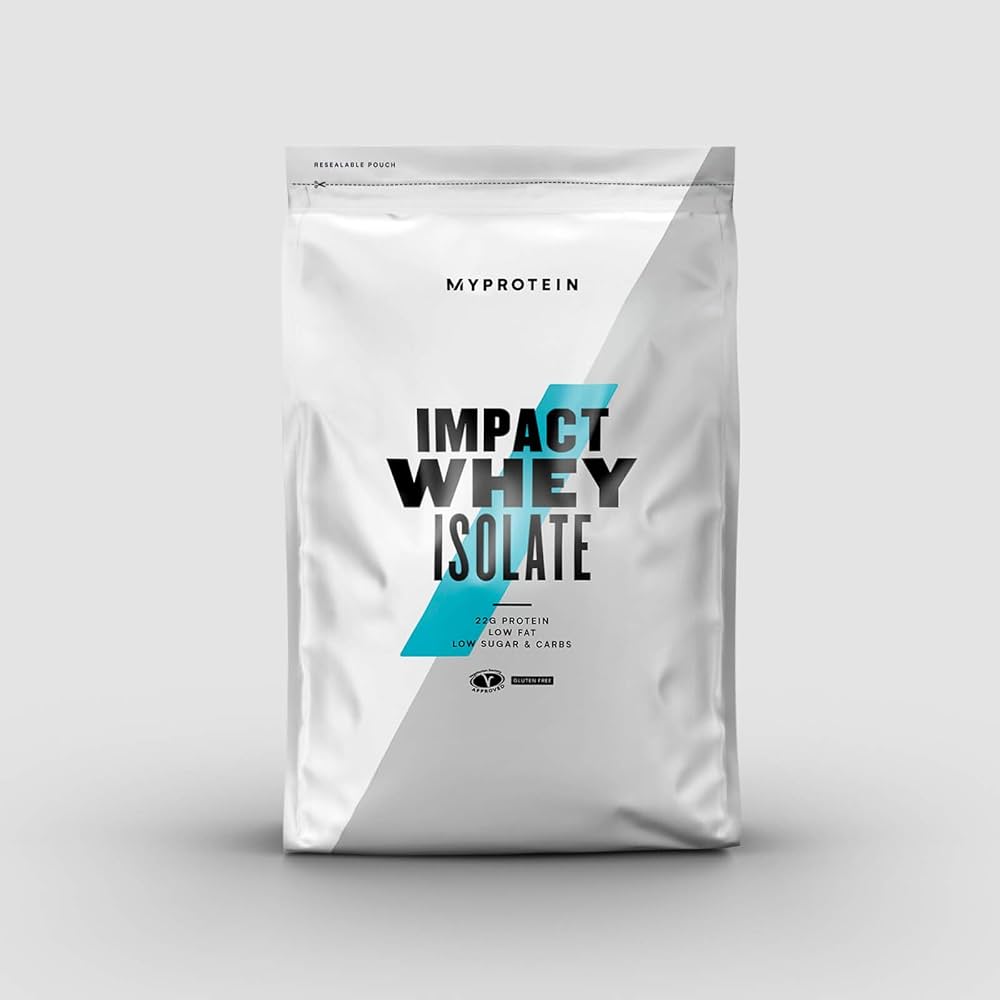
Top Whey Protein Products
✨ AI Summary
- ✓Whey protein prices in India have risen 15-25% in 2026 with more increases expected by Q3-Q4
- ✓Three forces driving the hike: global dairy commodity shortage (US and EU milk production down 2-3%), rupee depreciation against the dollar, and India's 30%+ import duty on whey protein concentrate
- ✓Indian brands (MuscleBlaze, AS-IT-IS, Nakpro, Wellcore) are affected less than imported brands (ON, Dymatize) because they have shorter supply chains
- ✓Best strategy: buy larger pack sizes (2kg over 1kg), use Amazon sale events to lock in discounts, and consider stocking up 2-3 months ahead
- ✓Creatine and pre-workout prices are also rising -- stock up on essentials now
- ✓Do not downgrade to untested brands just to save Rs.200. Counterfeit risk is highest when price-conscious buyers chase the cheapest option
The Three Forces Behind the Price Hike
1. Global Dairy Production Is Shrinking
Whey protein is not manufactured. It is extracted as a byproduct of cheese production. When global cheese output drops, whey supply drops with it. In 2025-2026, dairy production in the US, EU, and New Zealand has contracted by 2-3% due to higher animal feed costs, labour shortages, and years of thin profit margins pushing smaller farms out of business.
A 2-3% drop in milk production sounds small, but the whey market operates on extremely thin surplus margins. That modest drop has pushed whey protein concentrate (WPC) spot prices on global commodity exchanges up by 18-22% compared to the same period last year. Every supplement brand in the world is paying more for raw material, and that cost flows directly to the consumer.
2. The Rupee Is Under Pressure
Even Indian-manufactured whey protein depends on imported raw whey concentrate. India does not produce enough domestic whey to meet its rapidly growing supplement demand. Most raw whey concentrate is imported from the US, EU, or New Zealand and priced in US dollars. When the rupee weakens against the dollar, the import cost goes up automatically, even if the global commodity price stays flat.
In 2026, the rupee has depreciated roughly 4-5% against the dollar compared to early 2025. That means an Indian brand importing whey concentrate is paying 4-5% more in rupee terms before any global price increase is factored in. Combined with the 18-22% commodity price increase, the total input cost increase for Indian manufacturers is 22-28%.
3. India's Import Duty on Whey Is Among the Highest in the World
India levies a 30%+ effective duty (basic customs duty plus GST) on imported whey protein concentrate and isolate. This duty exists to protect domestic dairy processors, but it means Indian consumers pay significantly more for whey protein than buyers in the US, UK, or Southeast Asia. When global prices rise 20%, Indian consumers absorb that increase plus the duty markup on top.
For imported brands like ON Gold Standard and Dymatize, the tariff layer is even more pronounced because the finished product itself is imported, not just the raw material. This is why ON Gold Standard 1kg in India costs Rs.3,500-4,200 while the same product in the US costs the equivalent of Rs.1,800-2,200.
India's domestic whey production capacity is growing, but it will take 3-5 years before Indian dairy processors can meet the full demand of the supplement industry. Until then, India remains dependent on imported whey concentrate, which means every global price spike and every rupee depreciation hits Indian consumers directly.

Affiliate link: we may earn a small commission if you buy through it, at no extra cost to you.
Which Brands Are Hit Hardest?
Not all brands are raising prices equally. The key factor is how much of the supply chain is domestic versus imported.
- Most affected: imported finished products (ON Gold Standard, Dymatize ISO100, MuscleTech) -- these face global commodity increases PLUS import duties PLUS rupee depreciation. Expect 20-30% price increases
- Moderately affected: Indian brands using imported raw whey (MuscleBlaze, Wellcore, Nakpro) -- they face commodity and currency pressure but avoid the finished-product import duty. Expect 12-18% increases
- Least affected: Indian brands with partial domestic whey sourcing (AS-IT-IS) -- shorter supply chain cushions some of the blow. Expect 8-12% increases
Best Value Whey Protein in India Right Now
These products offer the strongest price-per-gram of protein at current May 2026 pricing. All are available on Amazon India through verified brand stores.
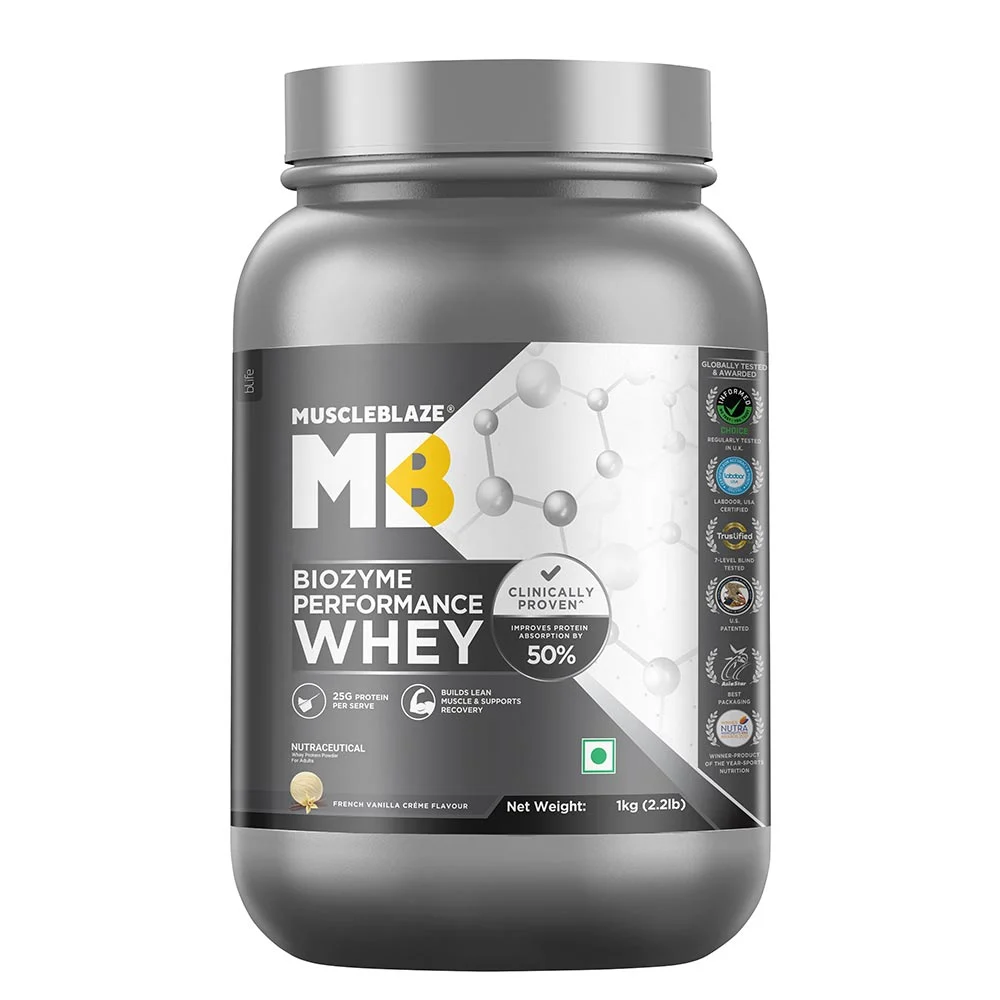
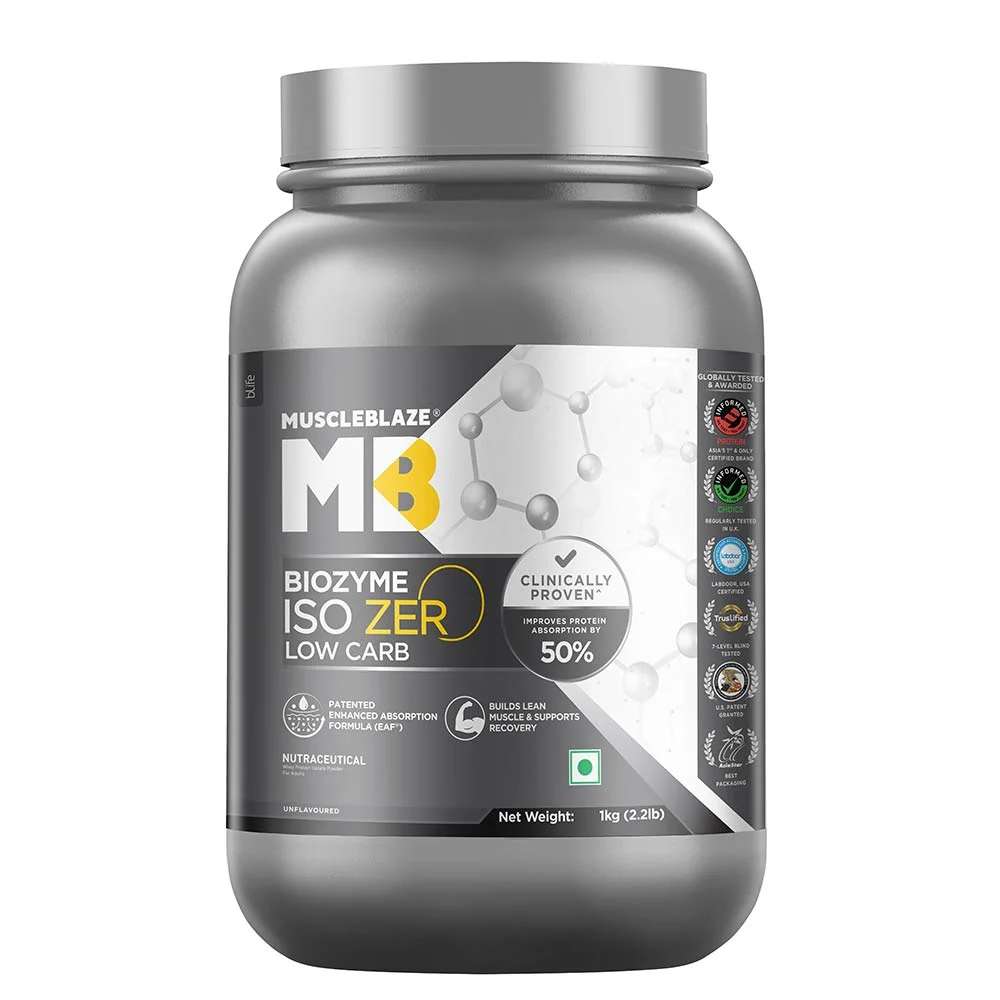
MuscleBlaze Biozyme Performance Whey (1kg)
Rich Chocolate · 1kg
- 25g protein / serving
- Lab tested by Trustified
- 100% vegetarian
India's most popular whey protein with Trustified by Eurofins lab certification. 25g protein per serving with enhanced absorption from their proprietary enzyme blend. The 2kg pack offers significantly better per-serving value than the 1kg.
- Current price: ~Rs.2,099-2,399 for 1kg
- Per serving: ~Rs.70-80
- Lab tested: Trustified by Eurofins
- Best move: buy the 2kg pack during Amazon sale events for 15-25% better value per serving
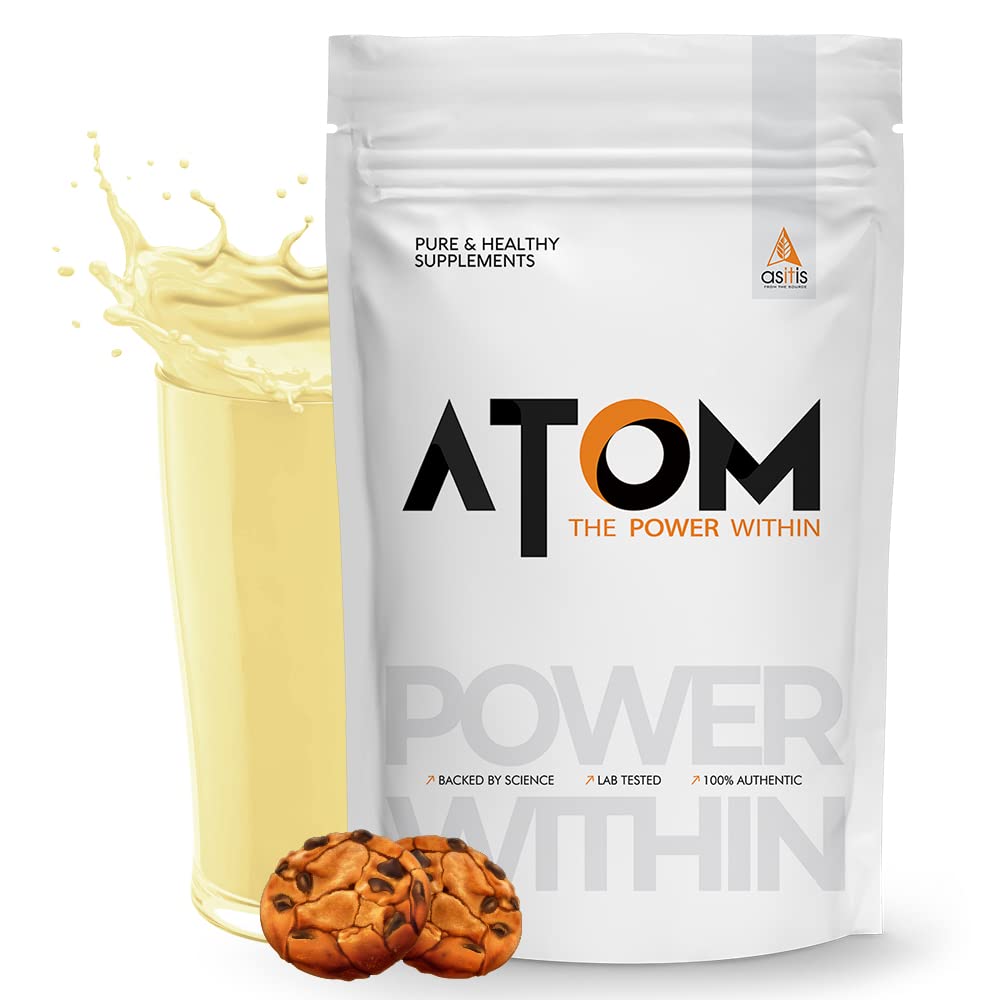
Labdoor USA tested, zero filler, and consistently the best price-per-gram in India. AS-IT-IS has raised prices more slowly than competitors because their marketing costs are lower and they operate with thinner margins. This value advantage may not last as raw material costs catch up.
- Current price: ~Rs.1,399-1,599 for 1kg
- Per serving: ~Rs.47-53
- Lab tested: Labdoor USA
- Best move: stock up now. AS-IT-IS has historically been the last to raise prices and the first to be out of stock during sale events
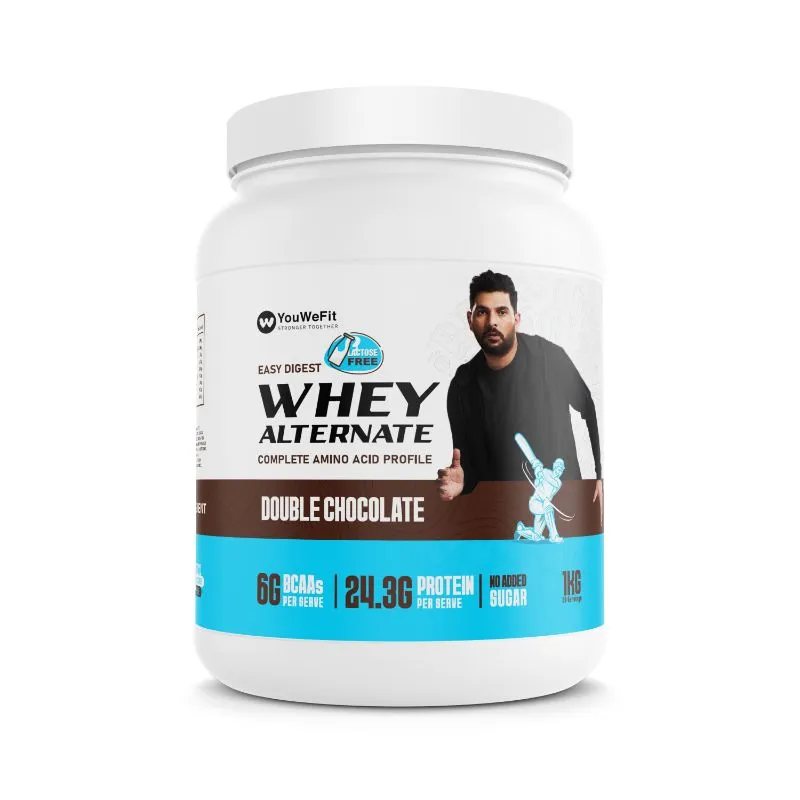
Wellcore Whey Protein (1kg)
Chocolate · 1kg
- 24g protein / serving
- Lab tested by Trustified
- 4★ rated
Uses Saputo-sourced whey from the US with third-party testing for every batch. Good mid-range option between budget brands and premium imports. The 2kg pack offers the best value in their lineup.
- Current price: ~Rs.1,799-2,099 for 1kg
- Per serving: ~Rs.60-70
- Third-party tested: yes
- Best move: the 2kg pack drops per-serving cost by roughly 20%
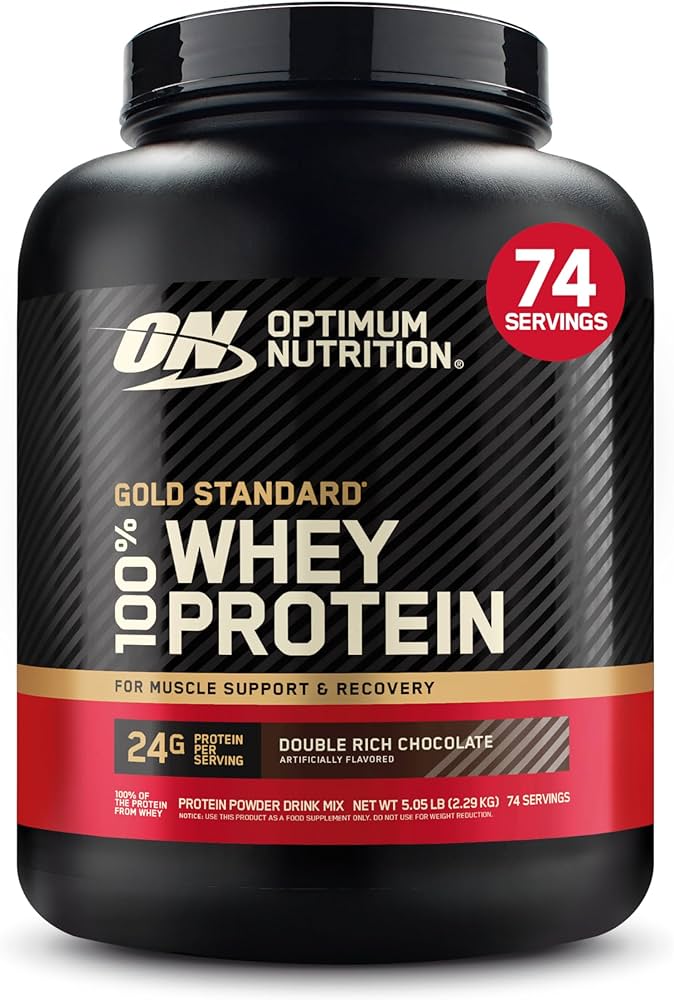
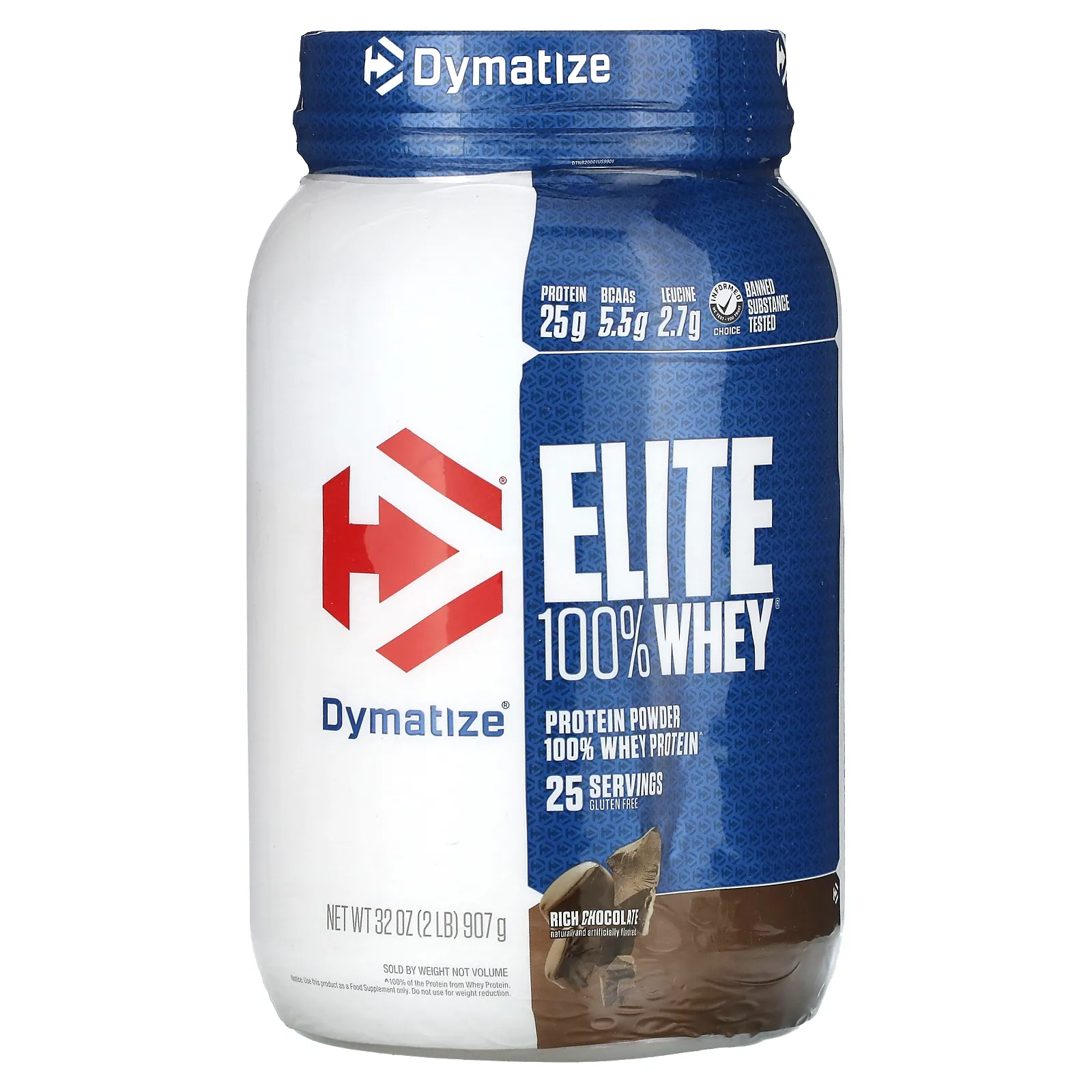
ON Gold Standard 100% Whey (1kg)
Double Rich Chocolate · 1kg
- 24g protein / serving
- Lab tested by Informed Choice
- 4.1★ rated
The global benchmark for whey protein quality. NSF Certified for Sport and Informed Sport certified. In India, it is significantly more expensive than domestic alternatives due to import duties, but for competitive athletes who need certified products, it remains the standard.
- Current price: ~Rs.3,500-4,200 for 1kg
- Per serving: ~Rs.117-140
- Certification: NSF Certified for Sport
- Best move: buy from the official ON store on Amazon during Great Indian Festival or Prime Day for the steepest discounts
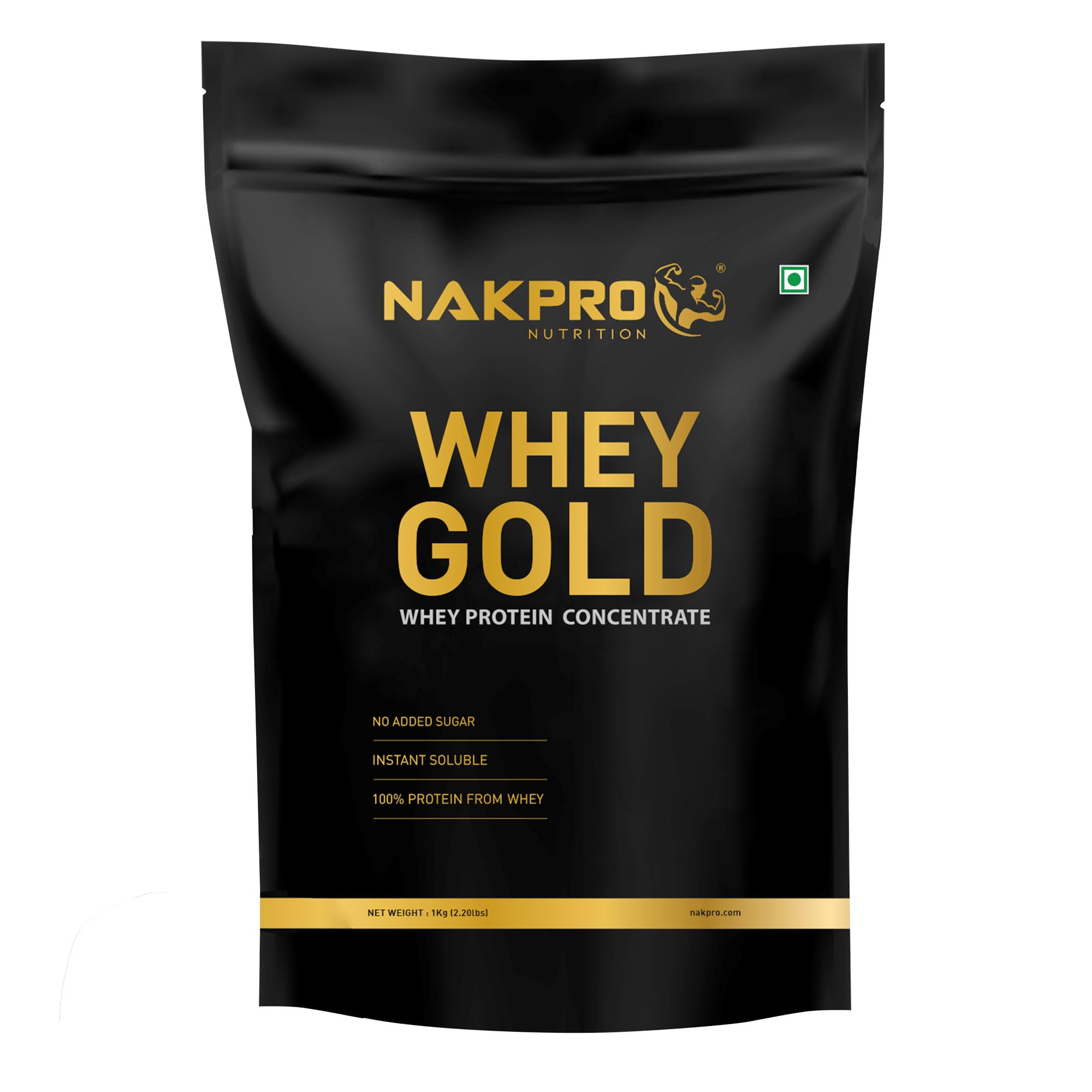
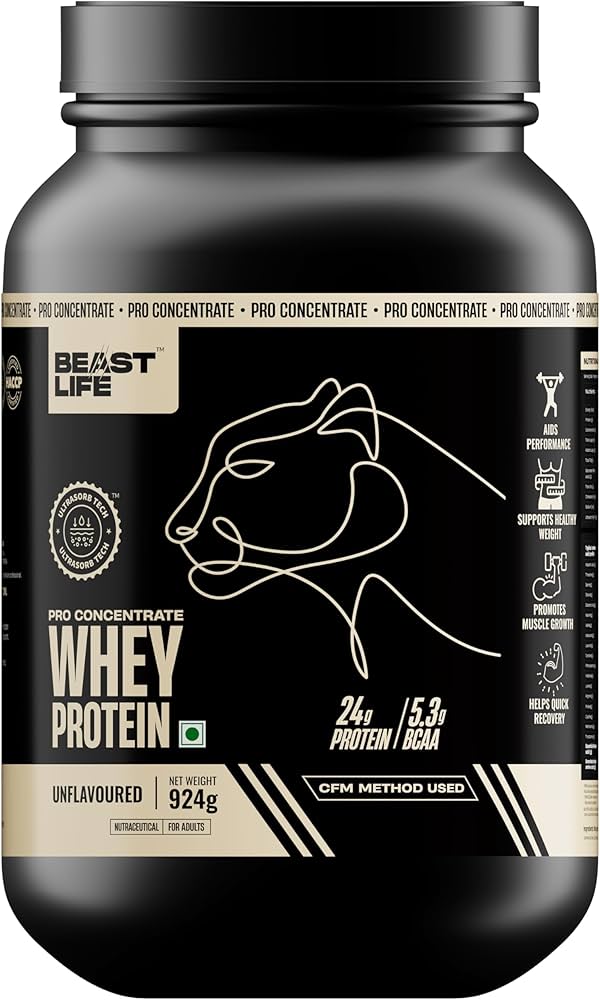
Nakpro Raw Whey Protein (1kg)
Unflavoured · 1kg
- 24g protein / serving
- Lab tested by Trustified
- 4★ rated
FSSAI certified, unflavoured raw whey concentrate at one of the lowest price points in India. Ideal for buyers who do not mind mixing with milk or a banana shake for taste. The no-frills approach keeps costs low.
- Current price: ~Rs.1,299-1,499 for 1kg
- Per serving: ~Rs.43-50
- FSSAI certified: yes
- Best move: the unflavoured variant is always cheaper than flavoured versions. Add cocoa powder yourself for chocolate flavour at a fraction of the cost
Amazon Great Indian Festival and Prime Day typically offer 15-30% discounts on major supplement brands. If you time your purchase with these sale events and use Subscribe & Save on top, you can effectively buy at 2025 prices even after the 2026 increases.
Smart Strategies to Beat the Price Hike
- Buy 2kg packs instead of 1kg: the per-serving cost is typically 15-25% lower on larger packs. The shelf life of sealed whey protein is 18-24 months, so you are not risking waste
- Use Amazon Subscribe & Save: locks in the current price and adds a 5-10% recurring discount. You can skip or cancel anytime
- Time purchases around sale events: Amazon Prime Day, Great Indian Festival, and brand-specific sales offer the deepest discounts of the year
- Stock up on creatine now too: creatine monohydrate is seeing 10-15% price increases. A 250g tub at Rs.400-500 is still incredible value, but it will not stay that low
- Consider switching from imported to domestic: if you are buying ON at Rs.3,500/kg, MuscleBlaze Biozyme at Rs.2,200/kg delivers comparable protein per serving with Eurofins lab testing at 40% less cost
What NOT to Do
- Do not chase the cheapest unverified brand: counterfeit supplement risk in India is highest during price hikes, because desperate buyers accept deals that are too good to be true. If a 1kg whey tub costs Rs.700 when the market price is Rs.1,400, it is not a deal
- Do not stop supplementing protein: if budget is tight, switch to a cheaper verified brand rather than cutting protein supplementation entirely. Your training results depend on consistent protein intake
- Do not bulk-buy from unknown sellers: unverified Amazon or Flipkart sellers offering 40-50% below MRP are almost certainly selling expired, relabelled, or counterfeit product
- Do not switch to soy protein isolate to save money: soy is cheaper but has a significantly less effective amino acid profile for muscle building compared to whey. The savings are not worth the performance trade-off
Other Supplements Getting More Expensive
Creatine MonohydrateShop →Global creatine prices have risen 10-15% due to supply disruptions at major Chinese manufacturing facilities. In India, this translates to Rs.50-80 more per 250g tub. Creapure-certified options (Wellcore, ON) are seeing steeper increases than generic micronized creatine (AS-IT-IS, Nakpro). At Rs.400-600 for 250g, creatine is still absurdly cheap for what it delivers. Stock up before the next round of increases.
Pre-Workout SupplementsShop →Citrulline and beta-alanine (two key pre-workout ingredients) have both risen in raw material cost globally. Expect pre-workout prices in India to increase by Rs.100-200 per tub in the coming months. Budget options like MuscleBlaze PRE and the DIY caffeine-plus-citrulline approach remain the most cost-effective solutions.
Frequently Asked Questions
Will whey protein prices come back down?
Not in 2026, and likely not to 2024 levels. The global dairy supply recovery requires new farm capacity, which takes 2-3 years. Indian import duties are unlikely to decrease. The rupee outlook is stable but not strengthening. Most industry analysts expect prices to plateau in late 2027 rather than declining. Buying at current prices is still better than waiting.
Are Indian brands actually comparable to ON and Dymatize?
For most recreational gym-goers, yes. MuscleBlaze (Eurofins tested), AS-IT-IS (Labdoor USA tested), and Wellcore (third-party verified) deliver 24-25g of protein per serving from quality whey concentrate and isolate blends. The protein molecule is the same regardless of the flag on the packaging. Where imported brands genuinely differ is in certifications (NSF Certified for Sport) that matter for competitive tested athletes.
Should I switch to plant protein to save money?
Plant protein (pea, rice, soy blends) has seen smaller price increases (5-8%) because it does not depend on the dairy supply chain. If you are open to plant-based options, brands like OZiva and Boldfit offer decent value. However, you will need 30-40g of plant protein per serving to match the leucine content of 25g of whey. Factor in the larger serving size when comparing cost.
The Bottom Line
Whey protein in India is getting more expensive due to forces largely outside anyone's control: global dairy shortages, a weakening rupee, and steep import duties. The price trend is upward for the foreseeable future. The smart response is not to panic or switch to untested brands. It is to buy verified products in larger pack sizes, time purchases around Amazon sale events, use Subscribe & Save for recurring discounts, and stock up 2-3 months ahead at current prices.
Compare all whey protein products with current Amazon India pricing on our comparison page. Every brand we list is lab-tested and sold through verified Amazon storefronts.