Americans spent over $60 billion on dietary supplements in 2025. The overwhelming majority of that money went to products that are redundant, underdosed, unproven, or all three. The supplement industry does not profit when you buy the basics that work. It profits when you buy the shiny extras you do not need.
This guide names the five supplement categories draining your wallet for little to no return, and then tells you exactly where to redirect that money for actual, measurable results. If you are spending more than $60/month on supplements and are not a competitive athlete, you are almost certainly overpaying.
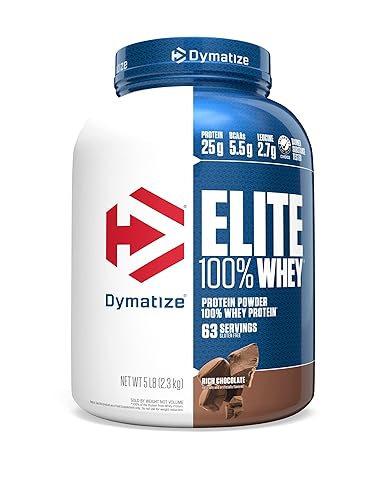
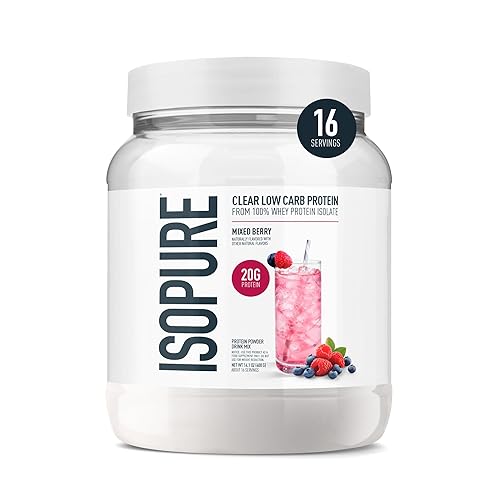
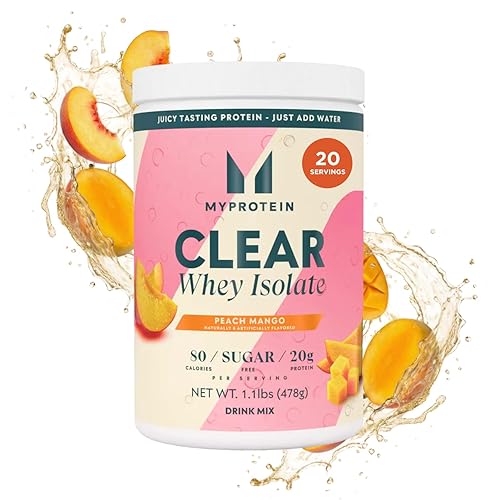
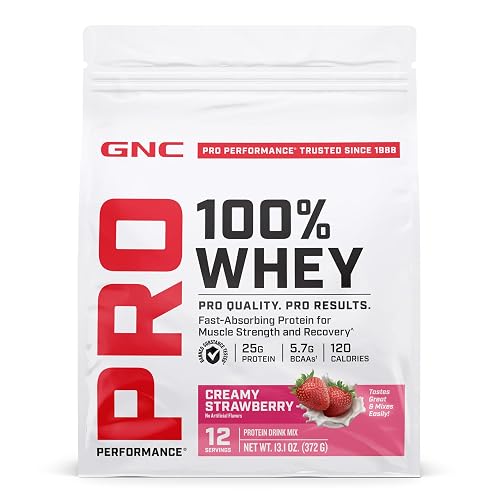
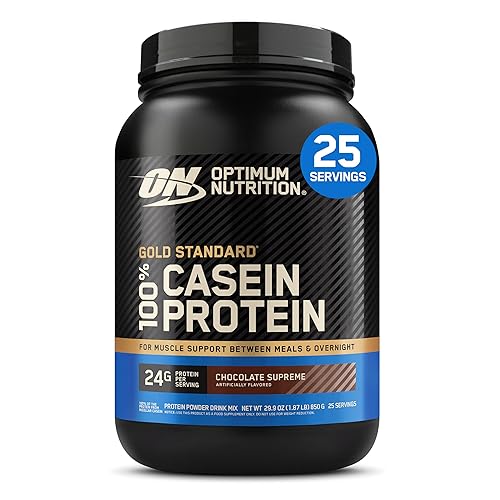
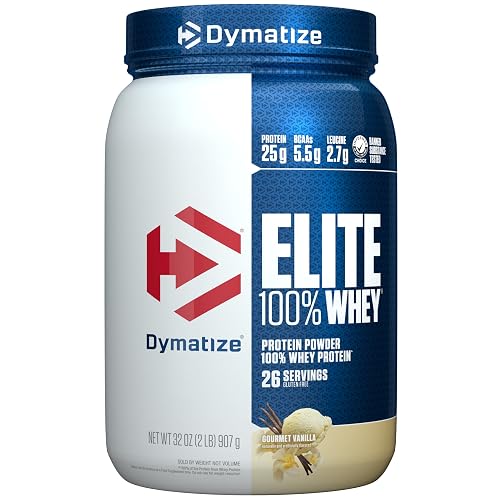
Top Whey Protein Products
✨ AI Summary
- ✓Stop buying: standalone BCAAs (redundant if you use whey protein), testosterone boosters (OTC versions do not work), CLA (effect is too small to matter), deer antler velvet/HGH releasers (zero credible evidence), and overpriced multivitamins you do not need
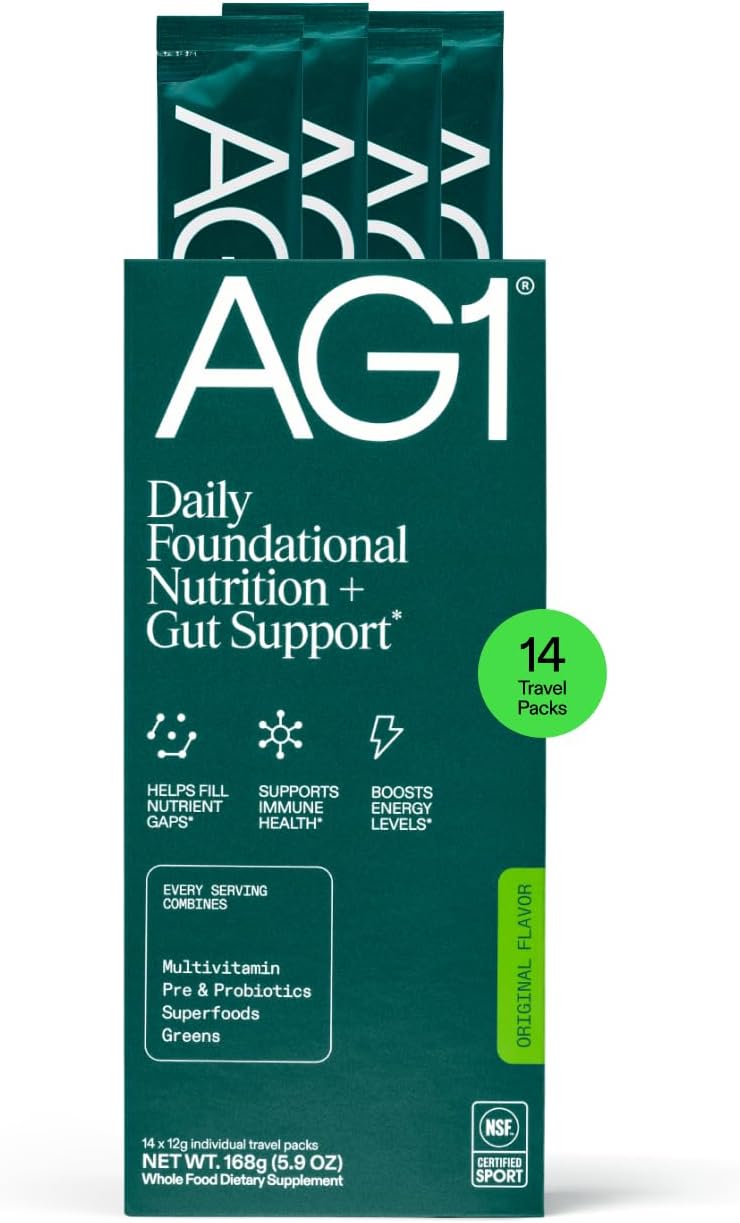
- ✓Start buying: whey protein ($35/month), creatine monohydrate ($8/month), Vitamin D3 ($4/month), omega-3 fish oil ($10/month)
- ✓Total cost of supplements that actually work: under $60/month
- ✓Total cost of supplements the industry wants you to buy: $150-300/month
- ✓Rule of thumb: if the label says 'proprietary blend,' your money is being wasted on hidden doses
- ✓Every product recommended here is third-party tested and available on Amazon

1. BCAAs (If You Already Take Whey Protein)
Standalone BCAA supplements are the single most common waste of money in American gyms right now. Here is why: every scoop of whey protein already contains roughly 5.5 grams of BCAAs, including about 2.5g of leucine, the amino acid that triggers muscle protein synthesis. If you are drinking one to two scoops of whey daily and eating adequate protein, buying a separate BCAA supplement is paying twice for something you already have.
The BCAA industry was built on early research that studied BCAAs in isolation, without controlling for total protein intake. When total protein is matched, studies consistently show zero additional benefit from standalone BCAAs. You are essentially buying flavored water with amino acids your body has already gotten from your protein shake an hour ago.
- What you are wasting: $25-40/month on standalone BCAA powders
- The exception: fasted training before breakfast, strict vegan diets with low leucine intake, or extreme calorie deficits during contest prep
- What to buy instead: an extra scoop of whey protein costs $1.10 and delivers more BCAAs plus all the other essential aminos
The BCAA market is projected to hit $1.5 billion by 2027. That growth is fueled by marketing, not by science. If your protein intake is above 0.7g per pound of bodyweight daily, standalone BCAAs will not build more muscle. Period.
2. Over-the-Counter Testosterone Boosters
This one is going to sting, because the marketing is extremely convincing. Tribulus terrestris, D-aspartic acid, fenugreek extract, ashwagandha, and the rest of the 'natural testosterone booster' lineup have one thing in common: none of them raise testosterone to a level that produces measurable muscle growth in healthy young men.
Some ingredients like ashwagandha do show modest cortisol reduction, which can indirectly support recovery. But the actual testosterone increase from any OTC booster is typically 10-15% at best, and often within the margin of daily hormonal fluctuation. To put that in perspective, a good night of sleep raises testosterone more reliably than any pill in this category.
- What you are wasting: $40-80/month on test boosters with proprietary blends
- The reality check: if you suspect genuinely low testosterone, get a blood test from your doctor. OTC pills are not the solution for clinical hypogonadism
- What to buy instead: prioritize sleep (7-9 hours), zinc (15-30mg daily if deficient), Vitamin D3 (2,000-5,000 IU), and consistent heavy compound lifts. These have stronger evidence for supporting healthy testosterone than any supplement in this category
A single night of sleeping only 5 hours instead of 8 can drop testosterone levels by 10-15%. Fix your sleep before spending $60 on a testosterone booster that might raise it by the same amount on a good day.
3. CLA (Conjugated Linoleic Acid)

Affiliate link: we may earn a small commission if you buy through it, at no extra cost to you.
CLA became a mainstream fat loss supplement after animal studies showed dramatic reductions in body fat in mice. The problem: human studies tell a very different story. In humans, CLA produces a fat loss effect of roughly 0.05 kg per week. At typical dosages of 3-4 grams daily, you would lose about one extra pound of fat over six months. That is the entire measurable effect.
For a supplement that costs $20-30 per month, CLA delivers a return so small it is literally undetectable on a bathroom scale within any reasonable timeframe. Your caloric deficit does 99% of the fat loss work. CLA does approximately 1%, and that is being generous.
- What you are wasting: $20-30/month for a barely measurable fat loss effect
- What the research actually says: ~0.05 kg/week fat loss in human studies, not the dramatic results seen in rodent models
- What to buy instead: nothing. Put that money toward higher-quality food. A slight increase in protein intake has a far greater effect on body composition than CLA supplementation
4. Deer Antler Velvet, HGH Releasers, and 'Growth Factor' Supplements
This category preys on the desire for a legal shortcut to performance enhancement. Deer antler velvet spray, IGF-1 boosters, HGH secretagogues, and similar products promise hormone-level benefits through oral supplementation. The reality: oral IGF-1 is destroyed by stomach acid. Growth hormone releasing peptides available over the counter are not present in sufficient doses to meaningfully affect serum GH levels. And deer antler velvet, while containing trace amounts of IGF-1, delivers it in quantities so small they cannot survive digestion.
These products survive in the market because they use language that sounds scientific and because the placebo effect is powerful. When you spend $70 on a supplement, you want it to work, so you train harder and eat better, and you attribute the results to the product instead of your own behavior change.
- What you are wasting: $40-80/month on products with no credible human evidence
- The reality: legitimate growth hormone therapy requires a prescription and injection. There is no oral shortcut
- What to buy instead: creatine monohydrate ($8/month) provides real, measurable, well-documented performance enhancement. It is not glamorous, but it works every single time
5. Premium Multivitamins You Do Not Need
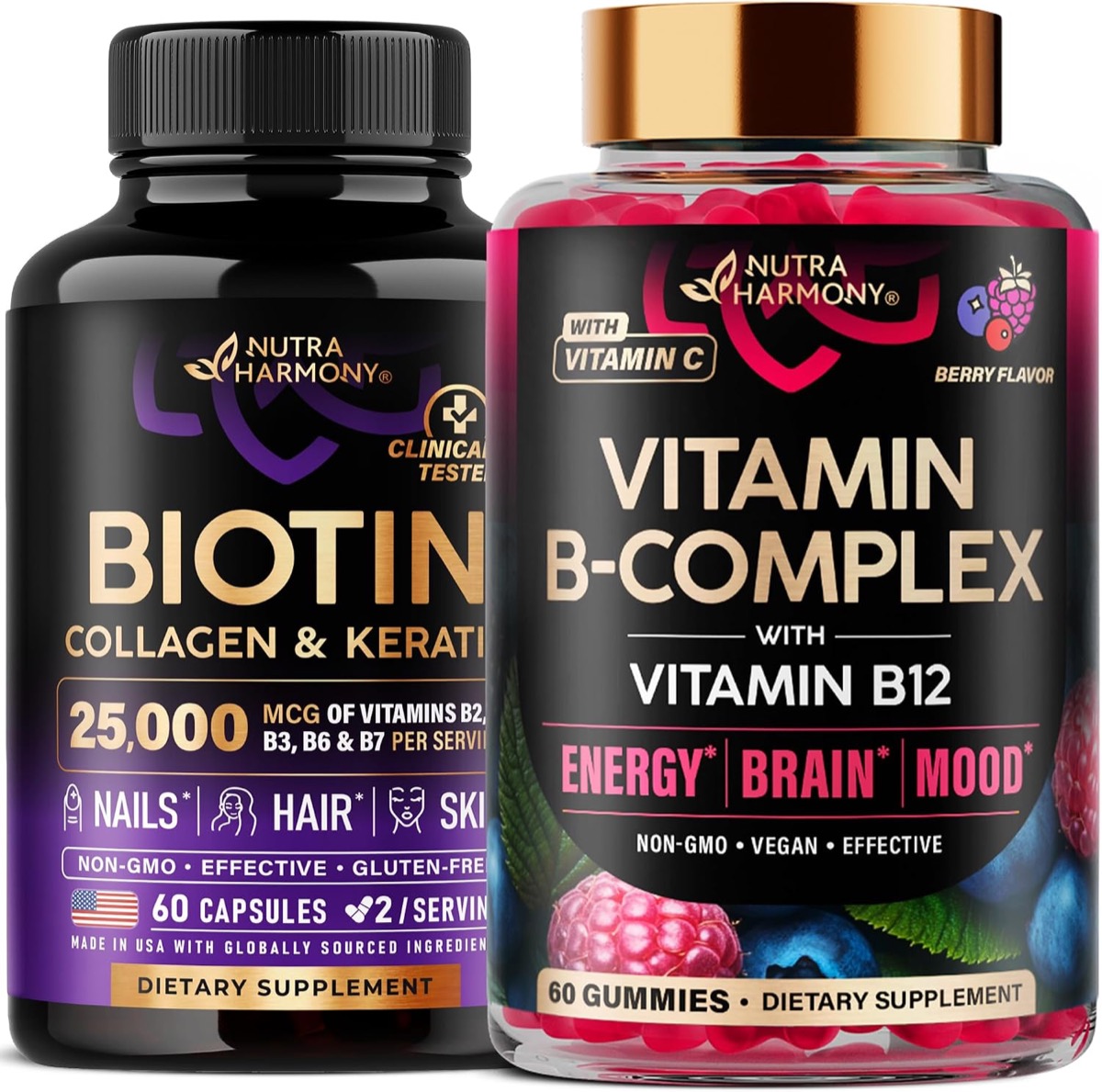
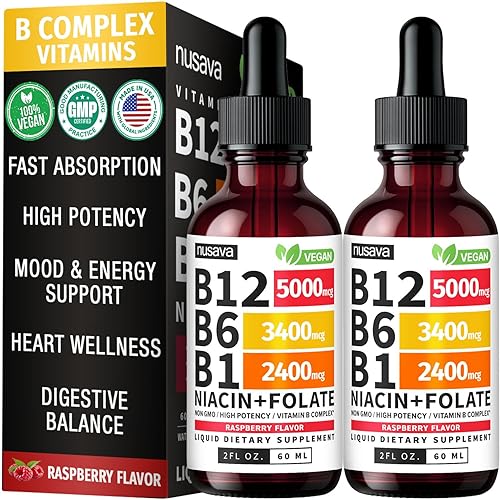
A $60/month subscription multivitamin with 40+ ingredients is almost certainly overkill for a healthy adult eating a reasonably varied diet. The supplement industry has convinced Americans that more micronutrients means better health. The research says otherwise: for most vitamins, there is a threshold of adequacy, and going above it provides zero additional benefit. Your body excretes the excess, often in expensive urine.
The smarter approach is targeted supplementation. Get a blood test, identify what you are actually deficient in, and supplement only those. For most American adults, the common deficiencies are Vitamin D (42% of adults), magnesium (over 50% get less than the RDA), and omega-3 fatty acids. Supplementing these three individually costs under $15/month total and addresses the actual gaps in your nutrition.
- What you are wasting: $30-60/month on comprehensive multivitamins with ingredients you are not deficient in
- What actually helps: Vitamin D3 2,000-5,000 IU ($4/month), Magnesium Glycinate 200-400mg ($6/month), Omega-3 1-2g EPA/DHA ($10/month)
- The test: get a basic micronutrient blood panel. Supplement what you lack. Stop guessing and start knowing
Thorne, NOW Foods, and Nature Made all offer individual Vitamin D3, magnesium, and omega-3 supplements that are third-party tested. Buying these three separately costs less than half of most premium multivitamins and targets the nutrients you actually need.
What You Should Actually Spend Your Money On
Here is the complete supplement stack backed by decades of research, available for under $60/month total. This covers everything a non-competitive, health-conscious gym-goer needs:
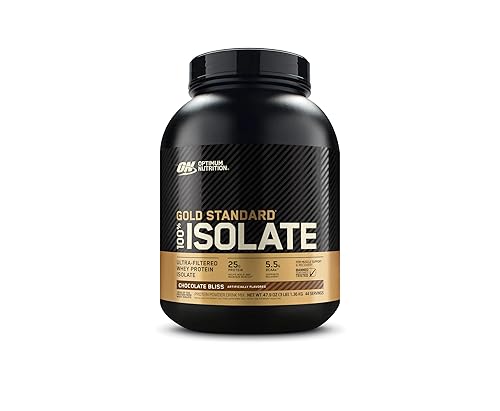 Whey ProteinShop →
The single most useful supplement for building and maintaining muscle. 24-28g of complete protein per scoop with the highest leucine content of any protein source. ON Gold Standard, Dymatize ISO100, or Transparent Labs depending on your budget and lactose tolerance.
- Monthly cost: ~$35 (one 5lb tub lasts 5-6 weeks)
- What it does: makes hitting your daily protein target simple and convenient
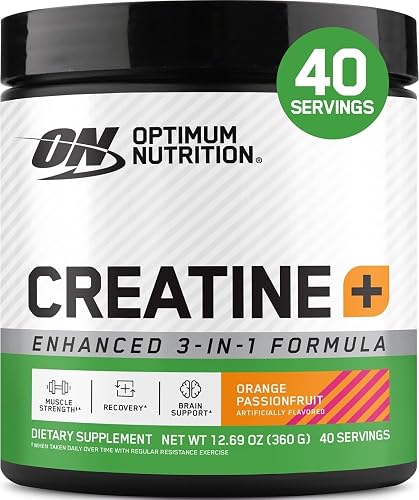
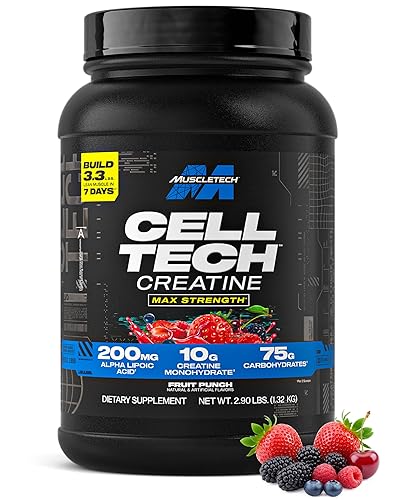
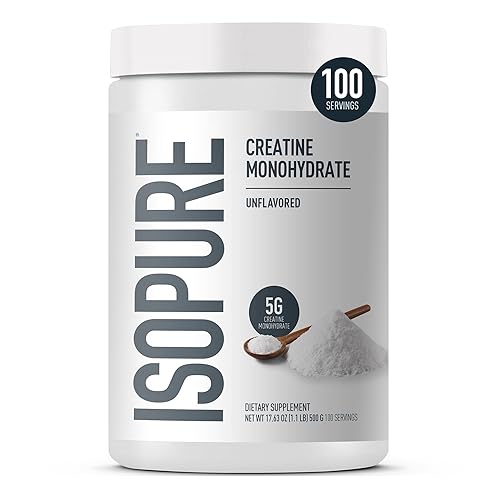
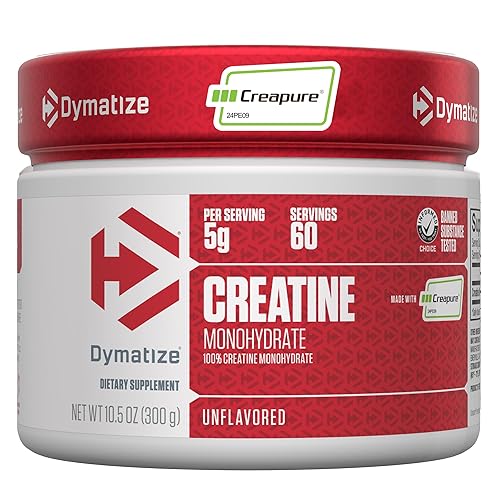
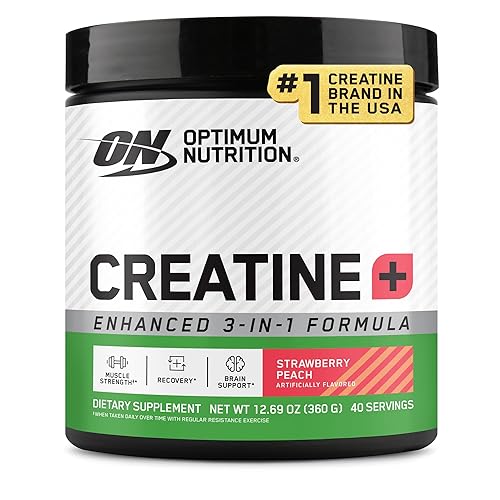
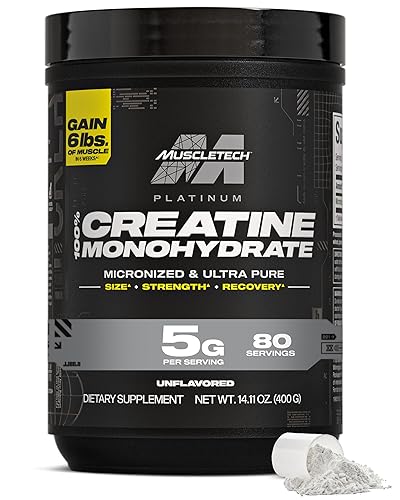
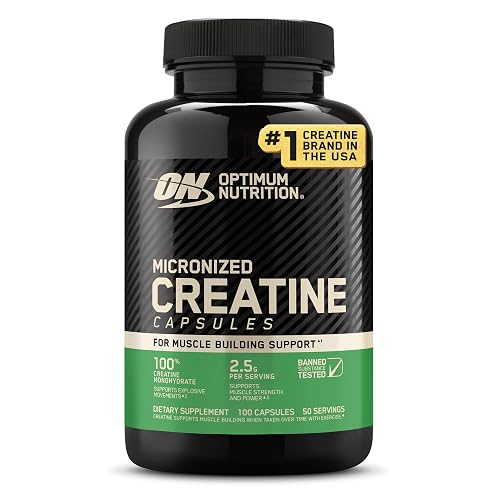
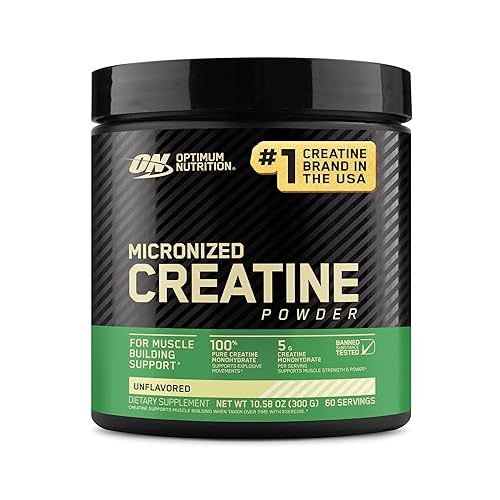
Creatine MonohydrateShop →Over 1,000 peer-reviewed studies. Increases strength, power output, and the number of reps you can perform at a given weight. Take 5g daily, forever. No loading phase needed, no cycling required. The cheapest effective supplement available.
- Monthly cost: ~$8
- What it does: 5-10% improvement in maximal strength within 4 weeks
Top Creatine Monohydrate Picks
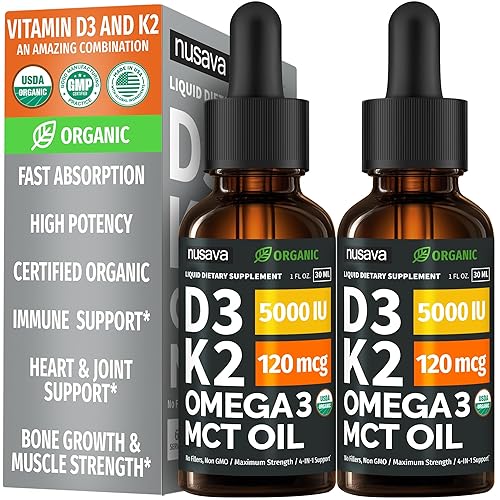
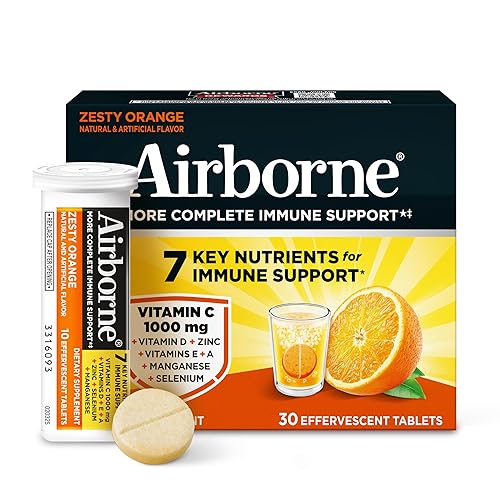
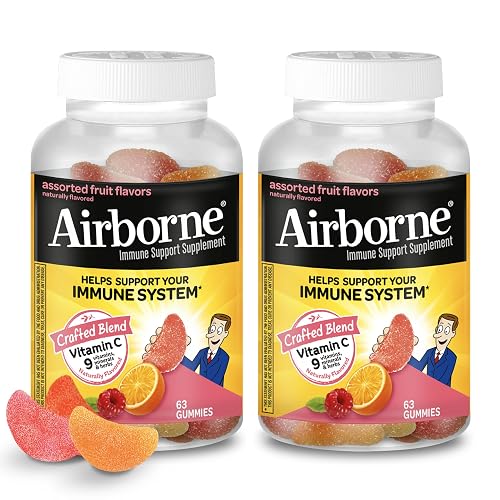
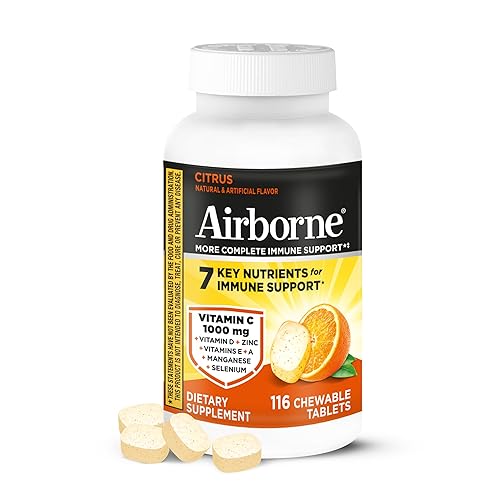
 Vitamin D3Shop →
42% of American adults are deficient. Supports testosterone production, bone health, immune function, and mood. If you work indoors, you are very likely not getting enough from sunlight alone.
- Monthly cost: ~$4
- What it does: corrects one of the most common nutritional deficiencies in America
Top Vitamin D3 Supplements
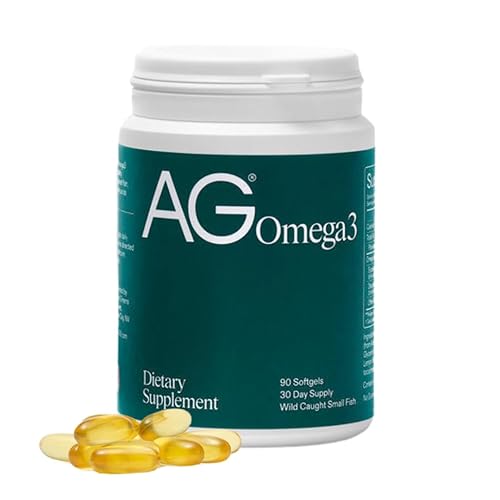
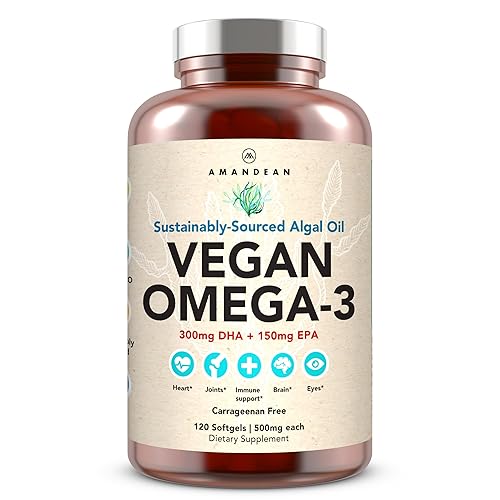
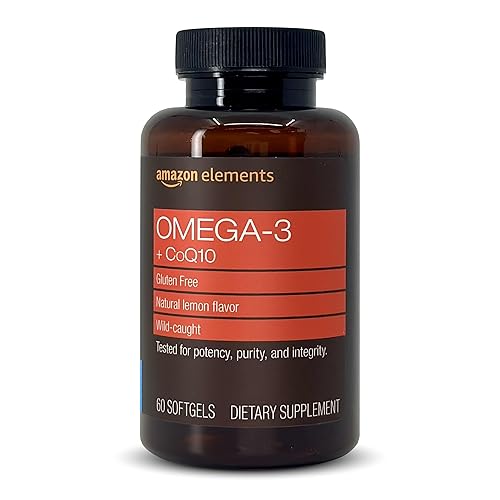
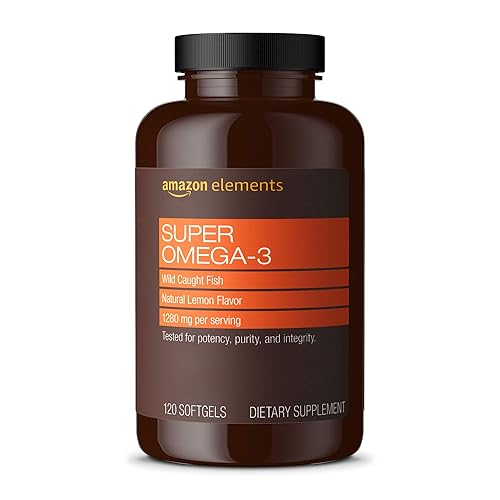
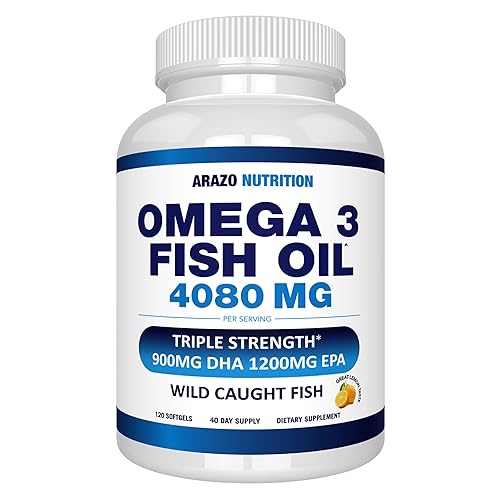
 Omega-3 Fish OilShop →
EPA and DHA reduce inflammation, support cardiovascular health, and may improve recovery from training. The standard American diet provides far less omega-3 than optimal. Look for products that list actual EPA/DHA content, not just total fish oil milligrams.
- Monthly cost: ~$10
- What it does: fills the omega-3 gap that affects the majority of Americans
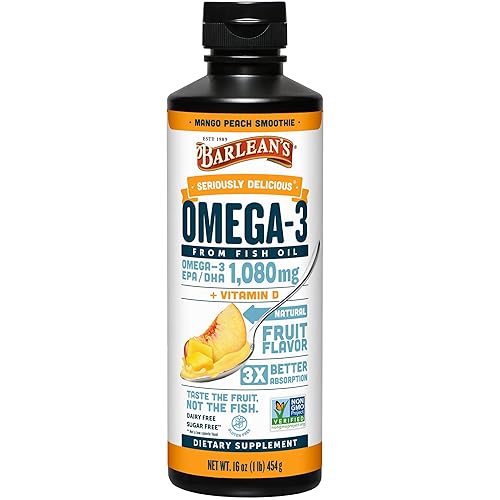
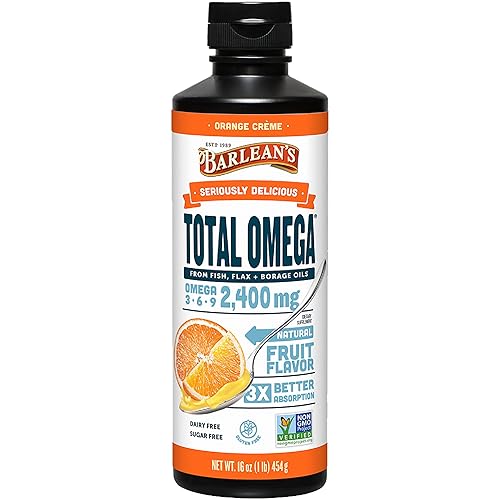
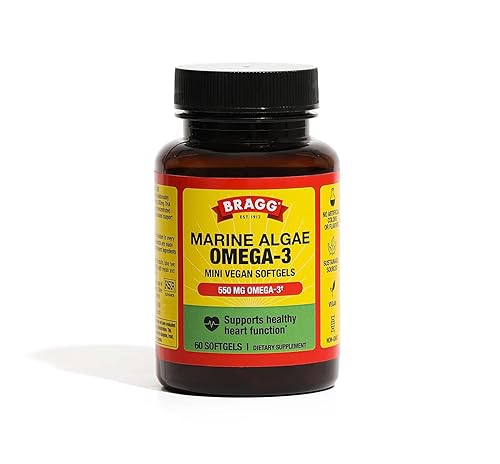
Top Omega-3 Fish Oil Supplements
The Real Cost of Getting It Wrong
The average American supplement buyer spends $56 per month. But the distribution is wildly skewed. Fitness enthusiasts regularly spend $150-300/month chasing the next magic pill. If you have been buying BCAAs, test boosters, CLA, and a premium multivitamin alongside your protein and creatine, you are likely spending over $200/month when $60 would cover everything you need.
Over a year, that is $1,440 to $2,880 in wasted spending. Redirected toward better food, a gym membership upgrade, or even a coach, that money would produce dramatically better results than any supplement in the 'waste' category ever could.
If a supplement uses the phrase 'proprietary blend' anywhere on the label, walk away. It means the manufacturer is legally hiding the dose of every ingredient behind a combined total. There is no legitimate reason to hide ingredient quantities unless the quantities are too low to work.
Frequently Asked Questions
What if I train fasted? Do I need BCAAs then?
This is one of the few legitimate use cases for BCAAs. If you train first thing in the morning on an empty stomach, 5-10g of BCAAs before your session can reduce muscle protein breakdown. However, even here, a small whey protein shake (half a scoop, ~60 calories) would provide the same BCAAs plus all nine essential amino acids, making it a superior option.
Are there any fat burners worth buying?
Caffeine is the most effective legal thermogenic available. It increases metabolic rate by 3-8%. Green tea extract (EGCG) provides a modest additional boost. Beyond these two ingredients, the evidence drops off sharply. A cup of black coffee before training is free and delivers most of the benefit.
What about collagen supplements?
Collagen supplements may benefit skin elasticity and joint comfort, but they are not a protein substitute for muscle building. Collagen is an incomplete protein, lacking tryptophan and very low in leucine. If your goal is muscle growth, whey protein is superior in every measurable way.
The Bottom Line
The supplement industry wants you confused because confused buyers spend more. The science is not confusing at all. Whey protein, creatine, Vitamin D3, and omega-3 cover the essentials for under $60/month. Everything else is either redundant, underdosed, or backed by evidence so weak it should embarrass the brands selling it. Stop funding their marketing budgets. Start funding your actual results.
Use our comparison pages to find the best current prices on every product mentioned above. Every recommendation is third-party tested, transparently labeled, and available on Amazon.