Here's the thing about creatine: it's been the most research-backed supplement in existence for 30 years, and women have largely ignored it because of a persistent, completely wrong idea that it's a men's bulking supplement. It isn't. It never was. And the women who figured that out — athletes, physique coaches, researchers — have been quietly benefiting while everyone else scrolled past it.
This is the straightforward guide. What creatine actually does in a woman's body, why the concerns are unfounded, who benefits most, and which products are worth buying. No hedging, no bro science in reverse.
Top Creatine Products
✨ AI Summary
- ✓No, creatine does not make women bulky — it increases intramuscular water, not fat or excess muscle mass
- ✓It works identically in women and men — the research is unambiguous
- ✓If you're in perimenopause or postmenopause, the bone density + muscle preservation data is particularly compelling
- ✓If you're on Ozempic or a GLP-1, creatine is one of the most important supplements you can add
- ✓Vegetarians and vegans see the biggest performance gains — your baseline is lowest
- ✓3–5g per day, every day, mixed into anything. That's the entire protocol
- ✓Best clinical-grade pick: Thorne Creatine (NSF Certified, trusted by US Olympic teams)
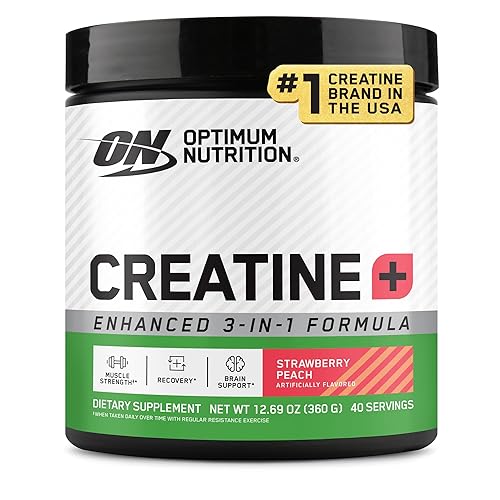
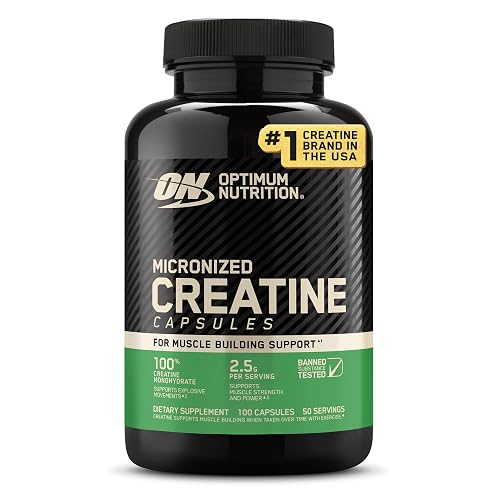
- ✓Best everyday value: Optimum Nutrition Micronized Creatine (America's best-selling, under $0.20/serving)

Let's kill the bulking myth first
Creatine causes two things: it increases phosphocreatine stores in your muscles, and it pulls water into muscle cells. That's it. It does not raise testosterone. It does not trigger anabolic hormones. It does not override your genetics or your body's natural capacity for muscle growth.
The 2–4 lbs some people see on the scale in the first two weeks? That is intramuscular water — water stored inside the muscle fiber itself. Your muscles look slightly fuller and more defined, not bigger or softer. And for many women who start creatine without changing their training, the scale does not move at all.
What creatine actually does: gives you 1–2 more reps per set at the same weight. That doesn't sound dramatic. But across every set, every session, every week for months — those reps compound into real strength gains. That's the mechanism. Nothing more mysterious than that.
What the science actually says about women
The women's creatine research has taken off in the last decade, and the findings are consistent: the performance and body composition benefits are comparable to men, and there are several areas where women specifically benefit more.
- Strength gains: 5–15% improvement in resistance training outcomes — same as men
- Lean mass: 1–2 lbs more lean mass over 12 weeks compared to training alone
- Bone density: multiple trials specifically in postmenopausal women show significant bone loss reduction when combined with resistance training
- Cognitive performance: working memory, processing speed, and executive function all improve — particularly under sleep deprivation, which disproportionately affects women 35–55
- Mood: small trials show meaningful reductions in depression scores in women, possibly through brain energy metabolism
- Hormone profile: unchanged. Multiple controlled trials confirm creatine does not alter estrogen, progesterone, LH, or FSH
Affiliate link: we may earn a small commission if you buy through it, at no extra cost to you.
The menopause angle nobody talks about
If you're anywhere in the perimenopause to postmenopause window, creatine deserves serious attention — and not just for the gym.
Sarcopenia (age-related muscle loss) accelerates after menopause. Women lose 3–8% of muscle mass per decade after 40, and the rate picks up post-menopause when estrogen drops. Creatine, combined with any resistance training — even bodyweight work at home — measurably slows that process.
The bone density data is even more striking. A 2021 meta-analysis found creatine supplementation combined with resistance exercise significantly outperformed exercise alone for slowing bone loss in postmenopausal women. Not a marginal effect — a statistically significant one, specifically in spinal and hip bone density.
And then there's the brain. Estrogen plays a role in cerebral energy metabolism, and its decline in menopause is linked to increased brain fog, word-finding difficulty, and processing speed changes. Creatine is one of the primary energy substrates for the brain. Early research suggests supplementation may partially offset the neurological effects of the estrogen transition. The trials are still small, but the mechanism is plausible and the risk of trying it is essentially zero.
If you're on Ozempic, semaglutide, or any GLP-1 drug
GLP-1 drugs cause significant muscle loss — typically 25–40% of total weight lost on semaglutide comes from lean mass, not fat. Creatine is one of the few supplements with direct evidence for preserving muscle during aggressive caloric restriction. At 3–5g per day, it maintains phosphocreatine stores, supports the muscle protein synthesis you're getting from your protein intake, and allows you to keep training with some intensity even when appetite is suppressed.
If you are actively on a GLP-1 and not taking creatine, you are almost certainly losing more muscle than you need to be.
Creatine and GLP-1 drugs: there is no known interaction between creatine monohydrate and semaglutide, tirzepatide, or any currently approved GLP-1 agonist. Creatine is not metabolized by the same pathways as these medications.
How to take it — the short version
- Dose: 3–5g per day. 5g is the standard research dose. Women with lower body weight can get by with 3g
- Every single day: training days and rest days — consistency is what saturates your muscles
- Timing: doesn't matter. Morning coffee, protein shake, glass of water before bed — whenever you'll remember
- No loading phase: the 20g/day loading protocol is optional, causes GI discomfort, and reaches the same endpoint in 1 week vs 4 weeks. Skip it
- No cycling: take it continuously, indefinitely. There is no benefit to cycling on and off
- Water: aim for half your bodyweight in ounces per day — creatine works best with good hydration
- With food or without: doesn't matter. Dissolves cleanly in anything warm
Best creatine products for women 2026
The molecule is the same regardless of brand. What you're paying extra for is certification, purity documentation, and sourcing transparency — which matters if you're a tested athlete or simply want to know exactly what you're putting in your body.
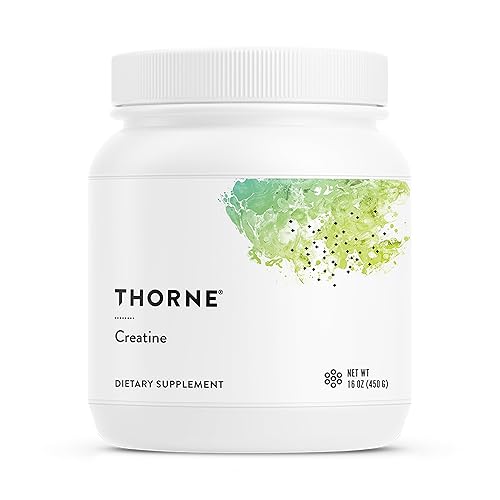
Thorne Creatine — Micronized Creatine Monohydrate
- Lab tested by NSF Certified for Sport
- 4.7★ · 16,245 ratings
- 100% vegetarian
Thorne is the supplement brand used by the Mayo Clinic and multiple US Olympic and professional sports teams. NSF Certified for Sport means every single batch is independently tested for banned substances, contaminants, and label accuracy — not just spot-checked. Micronized for clean mixing. Unflavored, disappears in your morning protein shake. At $0.49/serving, it's the premium pick at a non-premium price.
- 5g per serving | 90 servings | ~$0.49/serving
- NSF Certified for Sport — every batch independently tested
- Trusted by Mayo Clinic, US Olympic athletes
- Best for: anyone who wants pharmaceutical-grade documentation; tested athletes; women on any medication who want maximum purity assurance
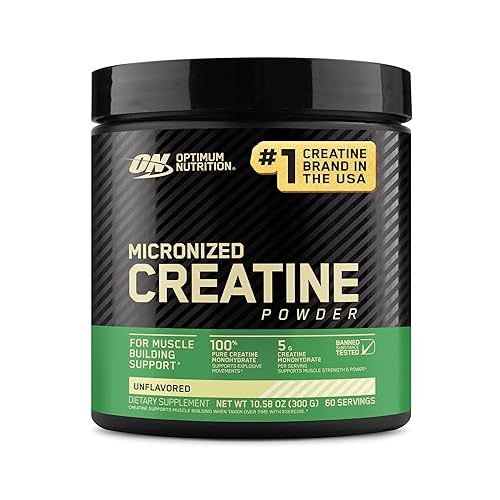
Optimum Nutrition Micronized Creatine Monohydrate
- Lab tested by Informed Sport
- 4.6★ · 102,908 ratings
- 100% vegetarian
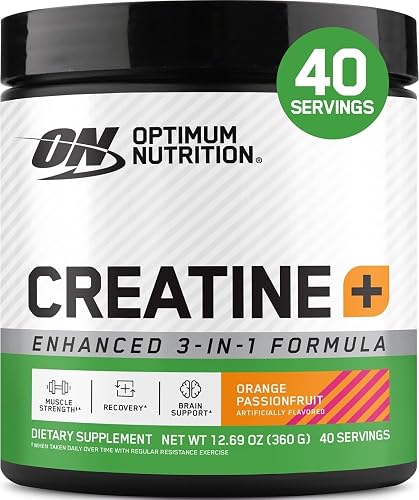
America's best-selling creatine for a reason. Micronized, Creapure-sourced, Informed Sport certified — all the things that matter at around $0.20/serving in the larger tub. This is the default recommendation for most women: proven, affordable, and available at Costco, Target, Amazon, and most gyms. You will not find a better evidence-to-dollar ratio in the supplement aisle.
- 5g per serving | 60 or 120 servings | ~$0.17–0.20/serving
- Informed Sport certified | Creapure sourced
- Available everywhere — no Amazon-only subscriptions
- Best for: most women — the reliable, go-anywhere pick
The questions women actually ask
Will it affect my menstrual cycle or hormones?
No. Multiple randomized controlled trials specifically measuring female hormone panels have found zero changes to estrogen, progesterone, LH, or FSH from creatine supplementation at standard doses. Your cycle is not affected.
I don't lift heavy — is it still worth taking?
Yes. Creatine benefits any activity that involves repeated bursts of high-intensity effort — HIIT, cycling, Pilates reformer work, power yoga, pickleball, tennis. You don't need to be squatting your bodyweight. And the bone density and cognitive benefits exist independent of training type.
What about creatine and hair loss?
One 2009 study on male rugby players found a DHT increase during a loading protocol. No subsequent study has replicated this in any population, male or female. The current scientific consensus is that creatine does not cause hair loss. If you've seen this concern on TikTok, it's outdated and overstated.
Is it safe while pregnant or breastfeeding?
Animal research is actually very promising — creatine appears protective for fetal development. However, large-scale human trials don't exist yet for pregnancy and breastfeeding. Standard recommendation: consult your OB. There's no known harm, but there's also not enough human data to give a confident blanket answer.
Bottom line
Creatine is safe, cheap, and backed by more research than almost any other supplement you can buy. The 'it's for men' framing was never true — it was just marketing neglect. Start with Optimum Nutrition if you want the most accessible option. Choose Thorne if you want NSF certification and pharmaceutical-grade documentation.
Three to five grams per day. Every day. Mixed into whatever you're already drinking. Give it four weeks. That's it.