Do Liver Detox Supplements Actually Work? (2026 Evidence Check)
By WheySearch Editorial Team·Updated June 30, 2026
Share
Type 'liver detox' into Amazon and you get thousands of products — capsule blends with milk thistle, dandelion root, artichoke extract, NAC, TUDCA, and anywhere from 12 to 30 other ingredients — all promising to 'cleanse,' 'flush,' 'support,' or 'regenerate' your liver. Most of them cost $25–50 a bottle. Almost none of them have meaningful clinical evidence. This guide tells you what the science actually says, what to skip, and what genuinely does have liver health data behind it.
✓Your liver detoxifies itself — it does not need a supplement to 'cleanse' it
✓Milk thistle has limited evidence for specific liver diseases; no evidence for general 'detox' use
✓NAC has genuine uses for acetaminophen poisoning and select liver conditions — not for healthy people doing a 'reset'
✓TUDCA is a bile acid with real hepatoprotective research, but primarily relevant for cholestasis and certain metabolic conditions
✓'Liver cleanse' blends combine weak ingredients at sub-therapeutic doses — the science does not support them
✓The supplement with the strongest liver evidence: omega-3 fish oil (EPA+DHA reduces liver fat in NAFLD by up to 30%)
✓Lifestyle beats any supplement: alcohol reduction, weight loss of 7–10%, and coffee all have better liver evidence than any pill
What 'Liver Detox' Actually Means
Your liver is already one of the most sophisticated detoxification systems in biology. It filters your blood, metabolizes drugs and alcohol, produces bile, stores glycogen, and neutralizes hundreds of compounds via enzymatic pathways — continuously, without any supplement. The phrase 'liver detox' in marketing is a regulatory workaround: supplement companies cannot claim to treat liver disease, so they use softer language like 'support,' 'cleanse,' and 'flush' that means essentially nothing.
That said, the liver can absolutely be damaged — by alcohol, obesity, certain medications, and metabolic dysfunction. In these cases, the question becomes: can any supplement meaningfully reduce that damage or support recovery? Let's go through the most popular ones.
The Big Names in Liver Supplements — What the Science Says
Milk Thistle (Silymarin)
The most studied liver supplement by far. Its active compound, silymarin, has antioxidant and anti-inflammatory properties. The evidence: silymarin shows modest benefits in specific liver diseases like alcoholic hepatitis and cirrhosis in several trials — but the trials are generally small, short-term, and of mixed quality. A 2012 NIDDK-funded trial (SyNCH) found no meaningful difference versus placebo in patients with chronic hepatitis C. For healthy people using it as a 'detox,' there is no clinical trial support whatsoever. Not harmful at standard doses. Just not a detoxifier.
Evidence for specific disease states (cirrhosis, alcoholic hepatitis): limited and inconsistent
Evidence for general 'liver cleansing' in healthy people: none
Verdict: low risk, low payoff unless you have a diagnosed liver condition
Affiliate link: we may earn a small commission if you buy through it, at no extra cost to you.
NAC (N-Acetyl Cysteine)
NAC is a precursor to glutathione — the liver's primary endogenous antioxidant. The clearest evidence for NAC: intravenous NAC is the standard of care for acetaminophen overdose, working by replenishing glutathione depleted by the drug. Some evidence exists for NAC in non-alcoholic fatty liver disease. However, for a healthy person using NAC to 'detox' after a weekend of poor eating, there is no evidence of benefit. Your glutathione levels are not meaningfully affected by dietary choices in the short term.
Strong evidence: acetaminophen overdose (IV NAC, not oral supplements)
Some evidence: NAFLD and certain chronic liver conditions
Evidence for healthy-person 'detox': none
Verdict: genuinely useful drug in medical contexts; not a wellness detoxifier
TUDCA (Tauroursodeoxycholic Acid)
TUDCA is a bile acid with genuine hepatoprotective properties in animal models and some human trials. It shows real promise for cholestatic liver diseases (where bile flow is impaired) and has been studied in ALS and neurological conditions. The research base is more solid than most 'detox' ingredients. But cholestasis affects a specific population — if you are not in that group, TUDCA supplementation has no established benefit. It is also expensive. People buying it as a post-steroid-cycle liver support have extrapolated from legitimate medical research to a use case with almost no clinical data.
Best evidence: cholestatic liver disease, bile flow impairment
Animal data is strong; human trial data is limited and context-specific
Verdict: the most legitimate ingredient in the 'liver supplement' category — but for most people, still overhyped
⚠️
Liver 'cleanse' blends typically combine 10–20 ingredients at fractions of the doses studied in clinical trials. Even if each ingredient had solid evidence (most don't), the sub-therapeutic dose problem means the product does essentially nothing measurable. The best thing about most liver detox blends: they're mostly inert. The worst thing: they cost $40 a month and create false confidence while actual lifestyle factors go unaddressed.
The Supplement With Actual Liver Evidence: Omega-3 (Fish Oil)
If you want a supplement that has multiple randomized controlled trials, measurable effect sizes, and a plausible mechanism for liver health — omega-3 fatty acids (EPA and DHA) are the answer. The target condition is NAFLD (Non-Alcoholic Fatty Liver Disease), now renamed MASLD (Metabolic Dysfunction-Associated Steatotic Liver Disease), which affects roughly 1 in 4 American adults.
A 2018 systematic review and meta-analysis in the journal Alimentary Pharmacology & Therapeutics found that omega-3 supplementation reduced liver fat content by approximately 22–30% in NAFLD patients compared to placebo. The mechanism: EPA and DHA suppress hepatic lipogenesis (the liver's production of new fat), increase beta-oxidation (fat burning), and reduce liver inflammation via downregulation of inflammatory cytokines. At 2–4g EPA+DHA per day, the effect on liver fat is clinically meaningful.
NAFLD affects ~25% of Americans — largely undiagnosed
Omega-3 reduces liver fat 22–30% in multiple RCTs at 2–4g EPA+DHA/day
Same EPA+DHA that reduces triglycerides by 15–30% — dual benefit
Also associated with reduced ALT and AST (liver enzyme markers of damage) in studies
Safe for long-term use; FSA/HSA eligible in most plans
How Much Omega-3 for Liver Health?
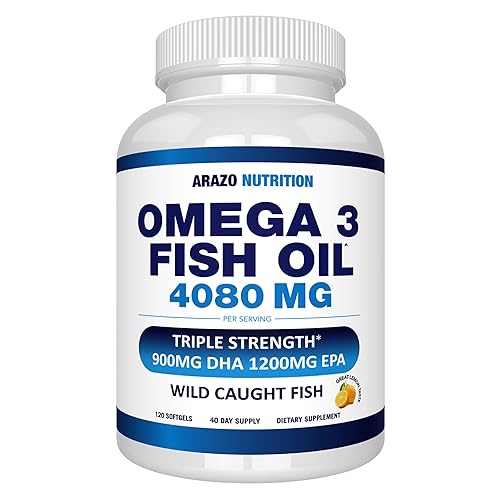
The dose in NAFLD trials is typically 2–4g combined EPA+DHA per day — significantly higher than the standard 1g general health recommendation. To hit this range, you need a high-potency fish oil (not a 300mg EPA+DHA capsule taken once daily). The math: if your capsule delivers 180mg EPA + 120mg DHA = 300mg total, you need 7–13 capsules per day. A high-potency product delivering 650–900mg EPA+DHA per serving means 3–4 capsules gets you into the therapeutic range.
Triglyceride-form omega-3 absorbs 70% better than ethyl ester form — check the label. IFOS certification (International Fish Oil Standards) or NSF Certified for Sport indicate third-party purity testing.
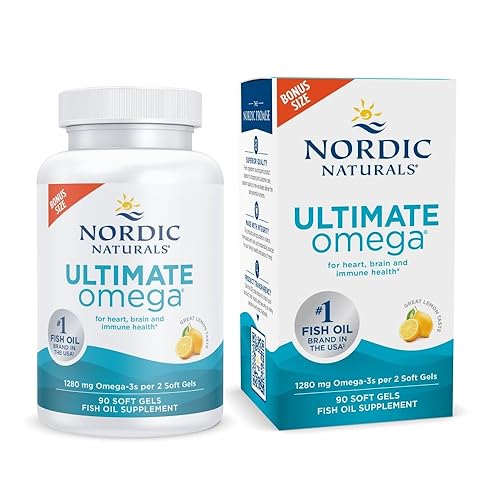
The benchmark for fish oil quality. 1,280mg combined EPA+DHA per serving in natural triglyceride form — the most bioavailable format. Two servings daily puts you squarely in the NAFLD trial dosing range. IFOS 5-star certified means every batch is independently tested for PCBs, mercury, and oxidation. Lemon-flavored to eliminate fishy aftertaste. Nordic Naturals' quality and third-party transparency are why it's the most recommended fish oil brand by healthcare practitioners.
1,280mg EPA+DHA per 2-softgel serving | Triglyceride form
IFOS 5-star certified | Friend of the Sea | ~$0.50/serving
No fishy burps — critical for daily long-term use
Best for: anyone serious about meaningful EPA+DHA intake for liver or cardiovascular health
NSF Certified for Sport
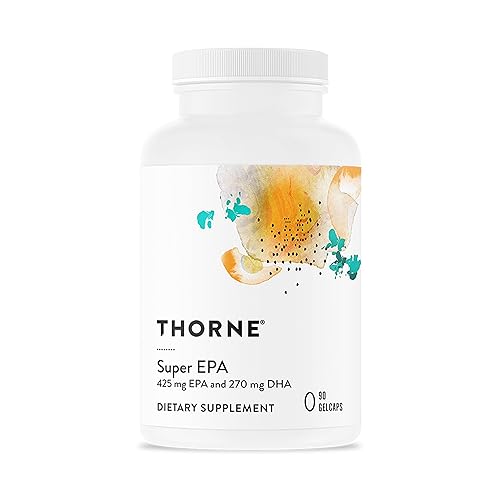
Thorne Super EPA — Omega-3 Fish Oil with EPA & DHA, NSF Certified for Sport
Thorne makes supplements for the Mayo Clinic and multiple professional sports teams. Super EPA is their high-potency fish oil: 425mg EPA + 270mg DHA per capsule, adding up to 695mg per capsule. Three capsules delivers over 2g EPA+DHA — solidly in the therapeutic range. NSF Certified for Sport means it passes testing for banned substances and label accuracy, which matters for anyone with sports or purity concerns. Sustainably sourced, no synthetic additives.
695mg EPA+DHA per capsule | 3 capsules = 2g+ for therapeutic dosing
NSF Certified for Sport — pharmaceutical-grade documentation
~$0.60/serving | Sustainably sourced
Best for: athletes who need NSF certification; anyone wanting pharmaceutical-grade documentation
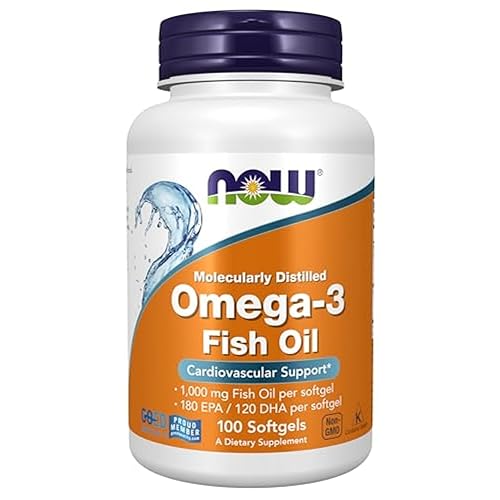
At under $8 a bottle and 4.8-star ratings across thousands of reviews, NOW Foods Omega-3 is the most affordable entry point for anyone building a fish oil habit. Molecularly distilled, non-GMO, and from one of the most established supplement brands in the US. You'll take more capsules to hit therapeutic liver-health doses, but for general omega-3 intake this is the best cost-per-serving option in our catalog.
What Else Actually Helps Your Liver
Before or alongside omega-3, the interventions with the strongest liver evidence are lifestyle-based:
Weight loss of 7–10% of body weight: the single most powerful intervention for NAFLD — reduces liver fat, inflammation, and fibrosis in studies
Alcohol reduction or elimination: even moderate alcohol has a dose-dependent effect on liver fat and inflammation
Coffee (2–4 cups/day): consistently associated with lower ALT levels and reduced liver fibrosis risk in large observational studies — one of the most robust diet-liver associations in the literature
Reducing refined carbs and fructose: fructose is preferentially metabolized in the liver and drives de novo lipogenesis (liver fat production)
Aerobic exercise: 150+ minutes/week reduces liver fat independent of weight loss
Vitamin E: shown in one PIVENS trial to improve NASH histology in non-diabetic patients; not recommended long-term without medical guidance due to cardiovascular concerns at high doses
ℹ️
If you have been diagnosed with elevated liver enzymes (ALT, AST), fatty liver, or NAFLD, work with your gastroenterologist or hepatologist before relying on any supplement protocol. Omega-3 is generally safe and broadly beneficial, but individual cases require individual guidance.
The Bottom Line
Most liver 'detox' supplements are a waste of money. Your liver is not dirty — it does not need flushing. Milk thistle, NAC, and TUDCA have legitimate medical research behind them in specific, diagnosed conditions — not as general-purpose wellness products for healthy people.
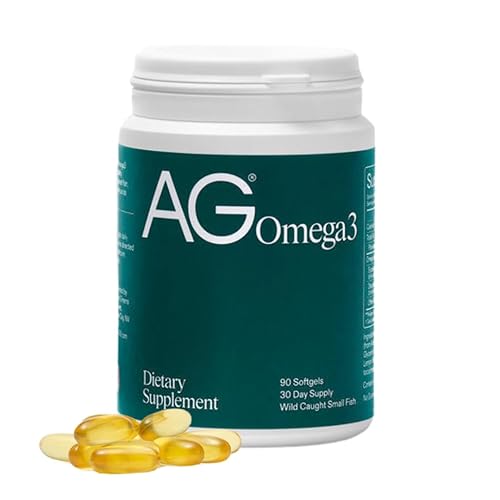
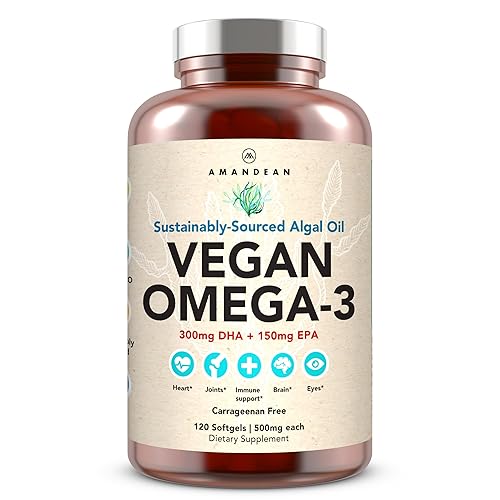
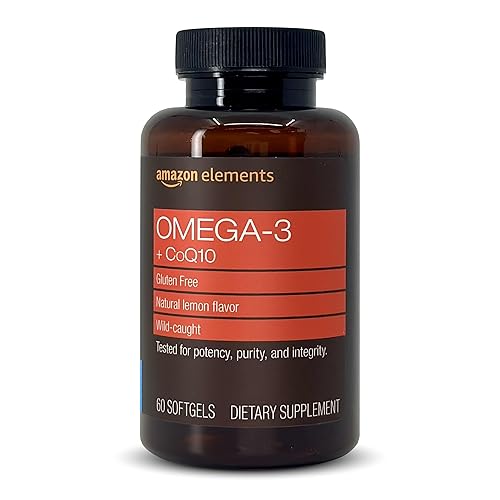
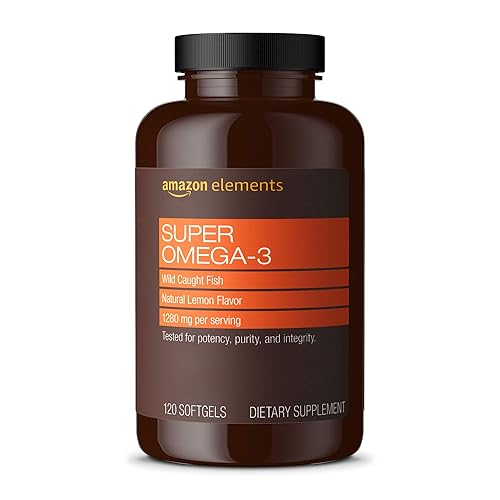
The supplement with the most consistent clinical evidence for liver health in the general population is omega-3 fish oil at 2–4g EPA+DHA per day. If you have NAFLD risk factors (metabolic syndrome, high triglycerides, central obesity), adding a high-quality fish oil to your routine while addressing diet and alcohol is the most evidence-backed supplement move available to you. Start with Nordic Naturals or Thorne Super EPA if you want quality and third-party certification, or NOW Foods if you want the most affordable entry point. Compare all omega-3 options on our comparison page.