Best Plant Protein for a Sensitive Stomach (2026): Dairy-Free, No-Bloat Picks That Won't Wreck Your Gut
By WheySearch Editorial Team·Updated August 18, 2026
Share
If a whey shake leaves you bloated, gassy or running for the bathroom, you are not doing anything wrong — you are probably one of the 30 to 50 million American adults who cannot fully digest lactose. Whey is a dairy product, and whey concentrate still carries enough milk sugar to wreck a sensitive stomach. Switching to plant protein fixes the dairy problem instantly. But here is what most lists will not tell you: a lot of plant proteins cause just as much bloating, thanks to gut-fermenting fibers, gums, and sugar alcohols. This guide ranks the 10 that are genuinely easy on the stomach — and flags exactly what to look for on the label.
✓Whey bloats you because of lactose — an estimated 30 to 50 million U.S. adults are lactose intolerant. Plant protein is 100% dairy-free.
✓But raw pea and soy can still cause gas, and added gums (guar, xanthan, carrageenan) plus sugar alcohols (erythritol) are common bloat triggers of their own.
✓The gentlest formulas add digestive enzymes and/or probiotics, use monk fruit or stevia instead of sugar alcohols, and keep a short ingredient list.
✓Best overall: Garden of Life Sport Organic Plant Protein — enzymes + probiotics, NSF Certified for Sport, 13,000+ reviews.
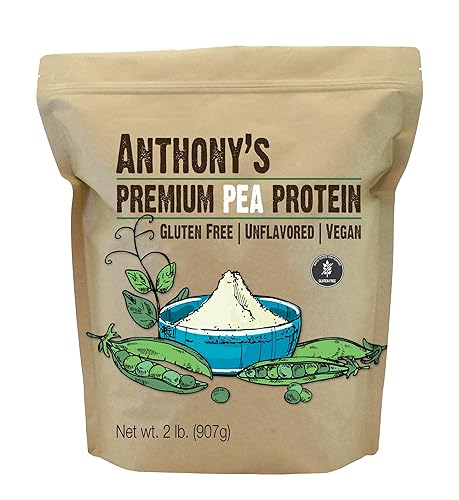
✓Fewest ingredients (least to irritate): Anthony's Premium Pea Protein — single ingredient, no gums or sweeteners.
✓Heavy-metals note: plant protein can carry more lead than whey (it comes from soil), so third-party testing matters more here — we rank tested brands.
✓On a GLP-1 or cutting? Prioritize 20g+ protein, added fiber and low sugar — most picks below clear that bar.
Whey comes from milk, and the culprit is lactose — the milk sugar your body needs the enzyme lactase to break down. Most people produce less lactase as adults, and roughly a third of U.S. adults have some degree of lactose intolerance (far higher among Black, Hispanic, Asian and Native American adults). Whey concentrate (WPC) still carries a meaningful amount of lactose, so for a sensitive gut a daily shake means daily gas, bloating and cramps. Whey isolate has less, but plant protein removes the problem entirely — there is zero dairy and zero lactose in any pick below.
But not every plant protein is gentle either
This is the trap. Raw pea and soy proteins contain fibers and oligosaccharides — the same compounds that make beans famously gassy — and when they reach your large intestine undigested, gut bacteria ferment them into gas. On top of that, many powders add thickening gums (guar, xanthan, carrageenan) and sugar alcohols like erythritol to improve texture and sweetness, and both are well-known bloating and GI triggers. So a cheap, additive-loaded plant powder can upset your stomach just as much as whey did. What separates a gentle plant protein from a gassy one is the processing and the ingredient list.
What to look for on the label
Dairy-free base: pea, rice, or a pea + rice blend (a complete amino profile without the lactose)
Added digestive enzymes (protease, bromelain) and/or probiotics — they help you break the protein down instead of fermenting it
NO added gums — skip guar gum, xanthan gum and carrageenan if you bloat easily
Sweetened with monk fruit or stevia, NOT sugar alcohols (erythritol, sorbitol) or artificial sweeteners
A short ingredient list — the fewer things in the tub, the less there is to irritate your gut
Third-party tested / NSF Certified for Sport / Clean Label Project — trust, and it offsets plant protein's heavy-metal risk
Fermented or sprouted is a bonus — the protein is partially pre-digested, so it is gentler still
ℹ️
The heavy-metals catch: a 2025 Clean Label Project study found many protein powders exceeded safety thresholds for lead and cadmium — and plant-based powders averaged higher than whey, because plants pull heavy metals out of the soil. This is not a reason to avoid plant protein; it is a reason to buy third-party-tested brands. That is exactly why the picks below lean toward NSF Certified for Sport and independently tested products.
💡
On a GLP-1 (Ozempic/Wegovy) or in a cut? Your appetite is suppressed, so every serving has to work harder — prioritize 20g+ protein, added fiber and low sugar. Most picks below clear that bar; the NOW Sports and Anthony's options give you the most protein per dollar.
How we ranked these
We pulled every plant protein in our U.S. catalog and scored each on digestibility first — enzymes and probiotics, fermented or sprouted processing, and a clean, gum-free, sugar-alcohol-free label — then weighted third-party testing (for the heavy-metals concern), protein per serving, price, and real customer ratings. Additive-heavy or untested powders dropped down the list regardless of marketing.
Affiliate link: we may earn a small commission if you buy through it, at no extra cost to you.
The 10 Best Plant Proteins for a Sensitive Stomach (2026)
Best Overall
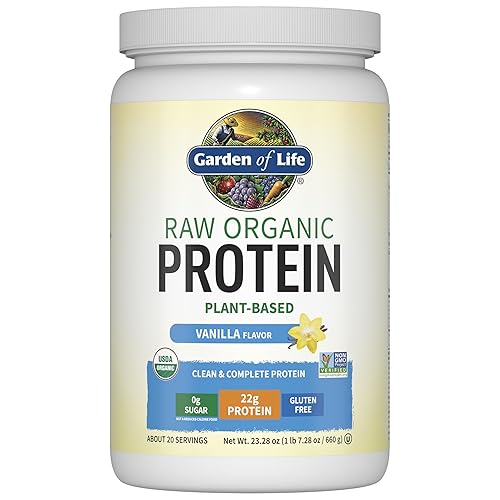
1. Garden of Life Sport Organic Plant Protein — Best Overall for Digestion
The complete package for a sensitive gut: organic pea-based protein with added probiotics AND digestive enzymes, NSF Certified for Sport (so it is independently tested for banned substances and contaminants — key for the heavy-metals concern), and backed by more than 13,000 reviews. 30g protein and 4g BCAAs per serve. If you want one pick that covers digestion, trust and social proof at once, start here.
Fewest Ingredients
2. Anthony's Premium Pea Protein — Fewest Ingredients
One ingredient: pea protein. No gums, no sweeteners, no flavorings — nothing to irritate a reactive gut. It is unflavored, so blend it into a smoothie and control the taste yourself. With over 8,000 reviews and a sub-$25 price for 2 lb, it is the best value on the list and the safest bet if additives are what set your stomach off.
Fermented & Sprouted
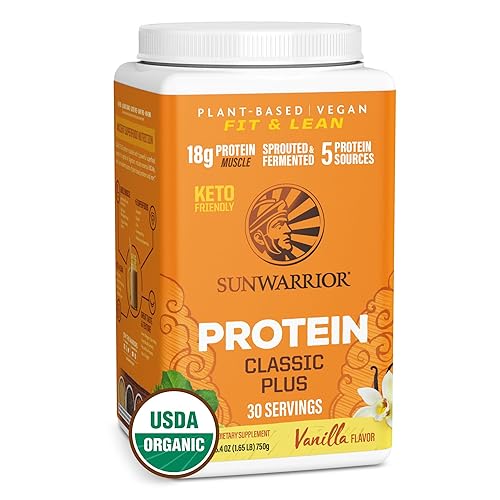
3. Sunwarrior Clean Vegan Protein — Fermented & Sprouted
Fermentation and sprouting partially pre-digest the protein and break down the anti-nutrients that cause gas — the single best processing choice for a sensitive stomach. Sunwarrior's organic, third-party-tested blend delivers that with a 4.4-star rating across 1,500+ reviews. Pricier per tub, but if pea powders have burned you before, the fermented route is worth it.
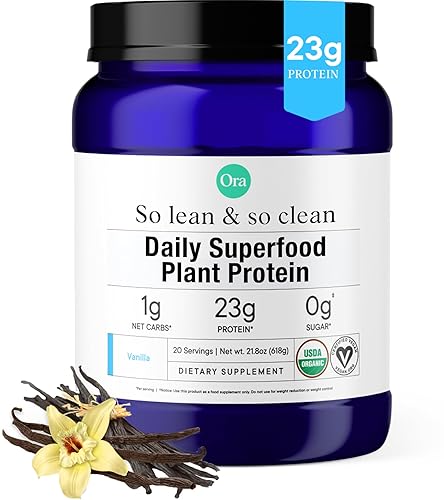
Ora builds an organic digestive-enzyme blend right into the formula, so the 23g of pea-and-rice protein is easier to break down. Organic, gluten-free and third-party tested, with 3,000+ reviews. A clean, enzyme-forward option for anyone who wants digestion support without a separate supplement.
Probiotic Value
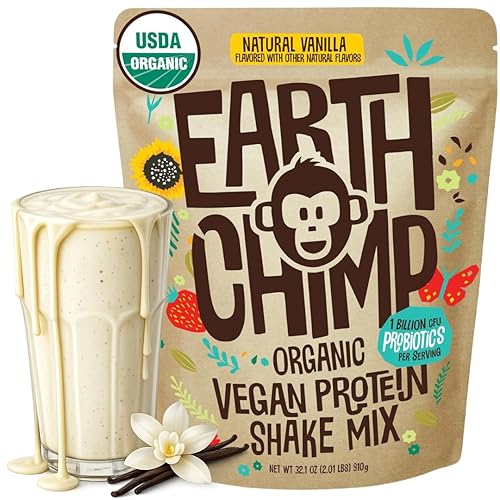
5. EarthChimp Organic Vegan Protein — Best Probiotic Value
Organic, dairy-free and built around added probiotics for gut support, at a friendly ~$23. A pea-and-rice blend that gives you the probiotic angle without a premium-brand price tag. Fewer total reviews than the leaders, but a strong 4.4-star average and a sensible pick for a first plant-protein switch.
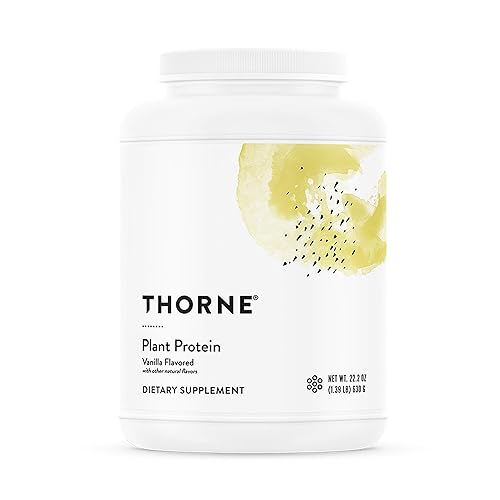
If the heavy-metals headlines worry you, this is the trust pick. Thorne is one of the most rigorously tested supplement brands in the U.S., and this pea-rice-chia blend is NSF Certified for Sport with 22g protein and a short, clean label. Premium price and still building its review count, but on testing and label purity nothing here beats it.
No Gums
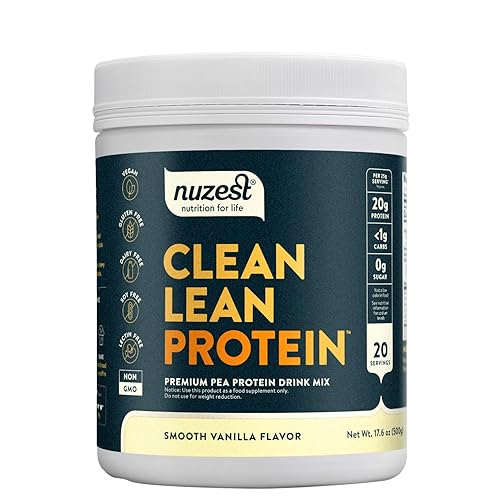
7. Nuzest Clean Lean Protein — No Gums, No Additives
Built on a single European golden-pea isolate with no gums, no fillers and a very short ingredient list — the definition of gentle. NSF-tested and dairy-, soy- and gluten-free. If you have tried other pea powders and still bloated, the additive-free formula here is often what makes the difference.
High-Protein Value
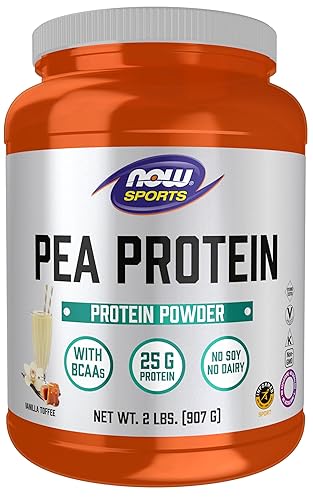
8. NOW Sports Pea Protein — Best High-Protein Value
NOW markets this one specifically as easily digested, and at 25g protein per serve it is also the strongest pick here for anyone on a GLP-1 or cutting who needs maximum protein per dollar. NOW third-party tests in-house, and the price is hard to beat. A practical, no-frills workhorse.
Most Popular
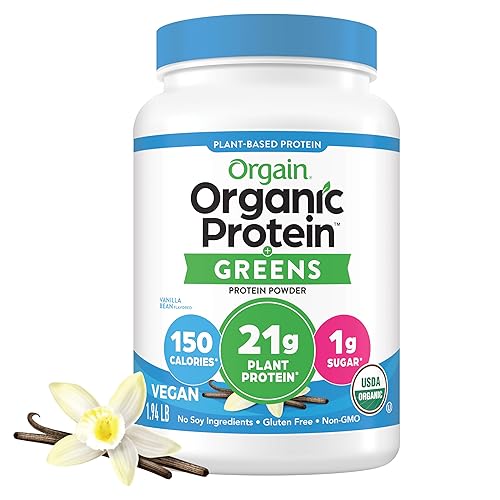
9. Orgain Organic Vegan Protein + Greens — Most Popular
The most recognized, widely available option — organic, 21g protein, added greens, third-party tested, and 3,500+ reviews. One honest caveat for this guide: Orgain uses erythritol (a sugar alcohol) for sweetness, which a minority of people find gassy. For most it is fine, but if you are highly reactive, lean toward the additive-free picks above.
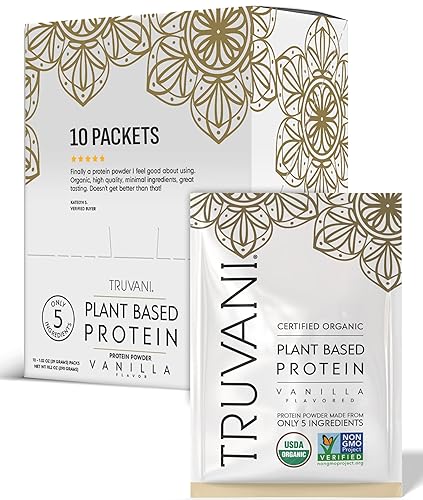
A clean-label favorite: organic pea protein sweetened with monk fruit (no sugar alcohols, no artificial sweeteners) and a short, recognizable ingredient list. 20g protein, third-party tested. Fewer reviews than the giants, but if you read labels closely and want the simplest sweetener profile, Truvani is an easy recommendation.
Look for one with added digestive enzymes and probiotics (like Garden of Life), a fermented or sprouted formula (like Sunwarrior), or the shortest possible ingredient list with no gums (like Anthony's or Nuzest). Those three approaches are what actually make a plant protein gentle. A raw, additive-heavy pea powder is the most likely to cause gas.
Does pea protein cause gas and bloating?
It can, especially raw pea protein, because peas contain fibers and oligosaccharides that gut bacteria ferment into gas. You reduce this a lot by choosing a formula with digestive enzymes, starting with a smaller serving, and giving your gut a couple of weeks to adapt. Added gums and sugar alcohols in the powder often cause more bloating than the pea protein itself.
Are plant proteins safe given the heavy-metals reports?
Plant proteins can contain more lead and cadmium than whey because plants absorb heavy metals from soil — a 2025 Clean Label Project study highlighted this. The practical answer is not to avoid plant protein but to buy third-party-tested or NSF Certified for Sport products, which is why this list leans that way. Thorne, Garden of Life Sport and Nuzest are the strongest picks here on testing.
What is the best plant protein for weight loss or a GLP-1?
With a suppressed appetite you want the most nutrition per serving: aim for 20g+ protein, some fiber and low sugar. NOW Sports Pea (25g) and Anthony's (unflavored, high protein per dollar) are efficient choices, and any of the enzyme/probiotic picks will keep digestion comfortable while you eat less overall.
Dairy-free vs lactose-free — what is the difference for protein?
Lactose-free whey still contains dairy proteins (just not the sugar), so it can still bother people with a dairy sensitivity or allergy. Every protein on this list is fully plant-based and therefore both dairy-free and lactose-free, which is why it suits the widest range of sensitive stomachs.
Bottom line: if whey wrecks your stomach, the fix is not to give up protein — it is to switch to a plant protein built for digestion. Start with an enzyme-and-probiotic pick like Garden of Life, a single-ingredient one like Anthony's, or a fermented option like Sunwarrior, ease in over two weeks, and buy third-party-tested. You get the protein without the bloat.