GLP-1 drugs — Ozempic, Wegovy, Mounjaro — are changing how millions of Americans lose weight. They kill your appetite, slow digestion, and make 1,200 calories feel like a feast. That's the good news. The bad news nobody talks about: when you eat dramatically less, you don't just lose fat. You lose muscle. And that's where supplements stop being optional.
High-Protein Isolates for GLP-1 Users
✨ AI Summary
- ✓GLP-1 drugs cut appetite so severely that most users can't hit minimum protein targets from food alone — protein powder bridges that gap
- ✓Muscle loss on GLP-1s is real: studies show 25–40% of weight lost is lean mass without resistance training + adequate protein
- ✓Top priority: high-protein, easy-to-drink whey isolate — 25–30g protein, under 150 calories, goes down even when you're not hungry
- ✓Creatine monohydrate is a must — it actively fights muscle loss during caloric restriction, costs ~$0.10/day
- ✓Omega-3 fish oil addresses the chronic inflammation GLP-1 users typically carry — and EPA/DHA support the metabolic benefits of the drug itself
- ✓Multivitamin fills nutrient gaps from drastically reduced food volume — GLP-1 users are especially prone to B12, iron, and zinc deficiency
- ✓Skip fat burners, appetite suppressants, and anything with stimulants — GLP-1 is already doing that job

Why GLP-1 Users Have a Protein Problem
A normal active adult needs around 100–140g of protein per day to preserve muscle mass. Before GLP-1 drugs, hitting that with food was inconvenient but doable. On Wegovy or Ozempic, it becomes a genuine challenge. Users report feeling full after 4–6 bites of food. Nausea is common, especially in the first 12 weeks. The idea of forcing down a chicken breast when your appetite is nonexistent sounds miserable — because it is.
A 2023 study in the New England Journal of Medicine showed that patients on semaglutide lost an average of 15% of body weight — but 25–39% of that loss was lean mass (muscle), not fat. Compare that to a well-structured diet with adequate protein, where lean mass loss is typically under 10%. The difference is enormous, and it's directly tied to whether you're hitting your protein targets.
Muscle lost on GLP-1 drugs doesn't come back automatically when you stop the medication. Lost muscle slows your resting metabolism, makes weight regain faster, and takes months of dedicated training to rebuild. Protecting it during the GLP-1 cycle is far easier than recovering it after.
Protein First: The Picks That Work on GLP-1s
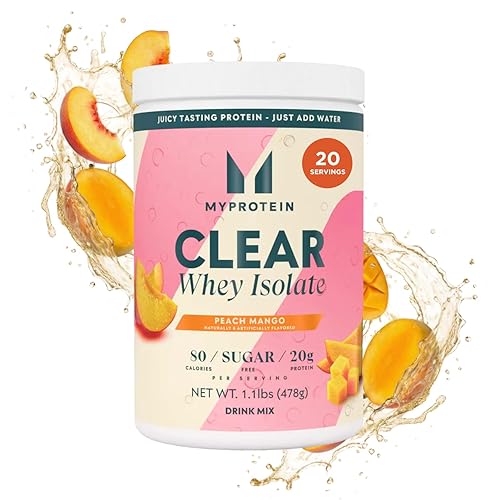
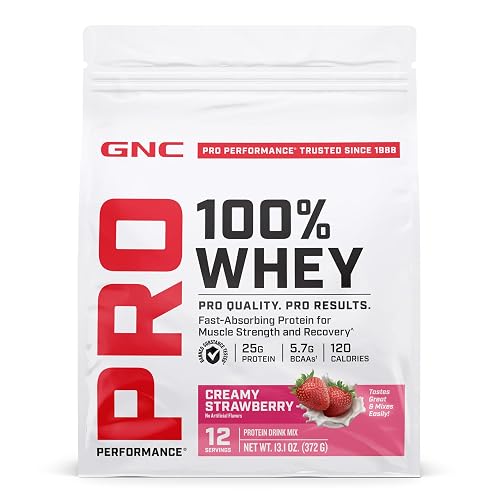
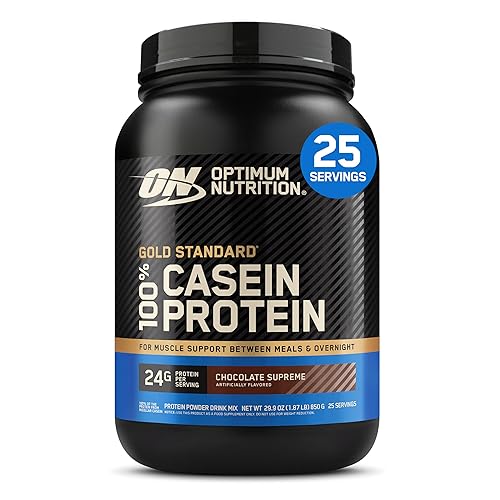
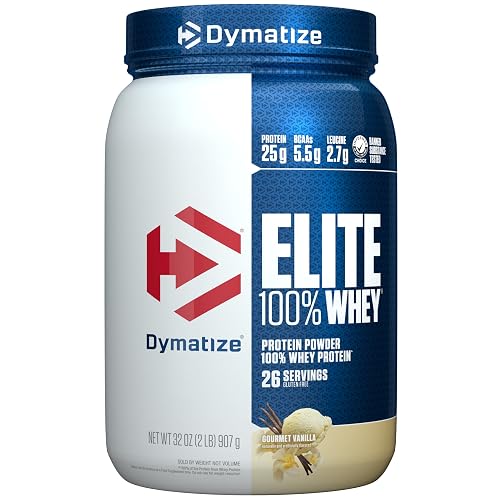
Not all protein sources work when semaglutide is slowing your digestion and killing your appetite. You need isolate (near-zero lactose and fat, easier to digest), high protein density per calorie, and something you'll actually drink when you're not hungry. Here are the three picks that fit those requirements.
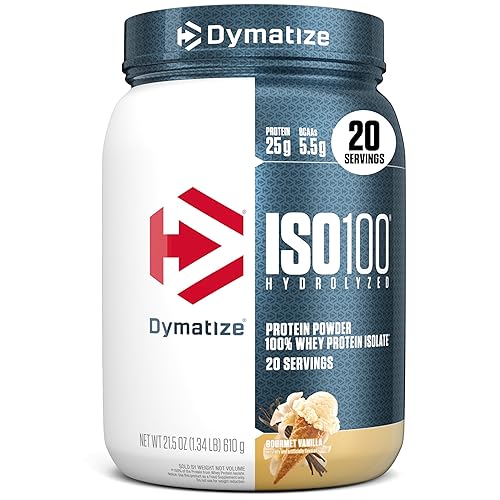
Dymatize ISO100 Hydrolyzed Whey Protein Isolate — Gourmet Chocolate 5lb
- Lab tested by Informed Sport
- 4.6★ · 19,751 ratings
- 100% vegetarian
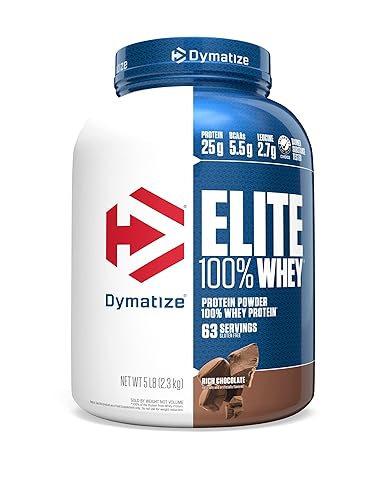
The top pick for GLP-1 users by a clear margin. Hydrolyzed whey is pre-digested — it absorbs faster and causes less GI distress, which matters when semaglutide is already slowing gastric emptying. 25g protein, 1g sugar, 110 calories. Fruity Pebbles and Gourmet Chocolate flavors are genuinely good — which matters when appetite is suppressed.
- 25g protein | 110 cal | 1g sugar per serving
- Price: ~$1.30/serving (5lb tub)
- Certification: Informed Sport — batch tested
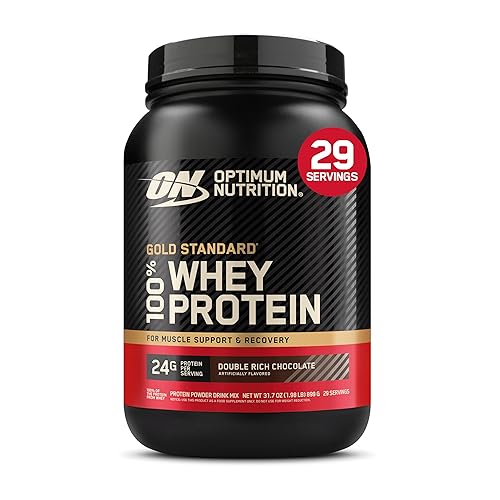
Optimum Nutrition Gold Standard 100% Whey — Double Rich Chocolate 5lb
- Lab tested by Informed Sport
- 4.6★ · 97,758 ratings
- 100% vegetarian
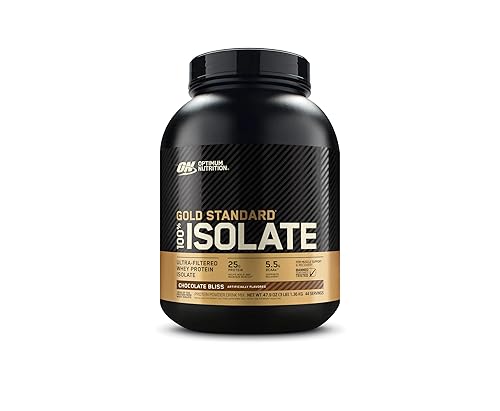
Whey isolate as the primary ingredient, 24g protein, NSF Certified for Sport. The benchmark protein — available at every retailer from Amazon to Walmart. If you need to restock locally or fast, no other protein matches Gold Standard's distribution.
- 24g protein | 120 cal per serving
- Price: ~$1.10/serving (5lb tub)
- Certification: NSF Certified for Sport
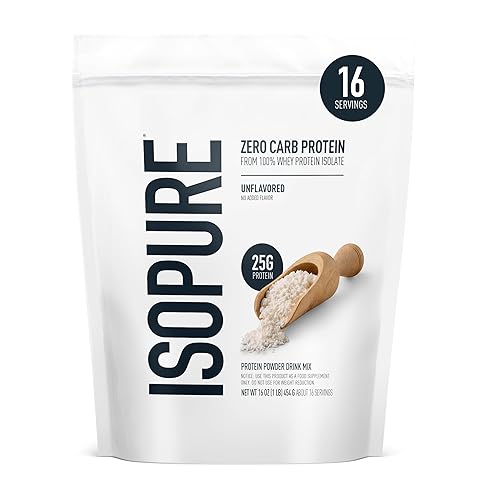
Isopure Zero Carb Whey Isolate
44 servings
- 4.6★ · 2,186 ratings
- 100% vegetarian
- $204 / serving
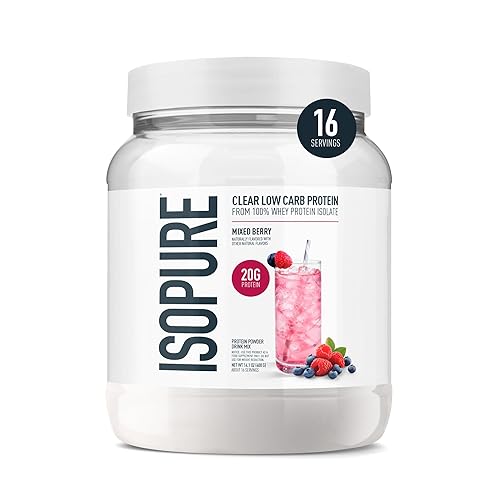
Zero carbs is right in the name. 25g protein, literally 0g carbohydrates. If your doctor has flagged blood sugar management specifically, this is the most direct answer — protein without any glycemic load.
- 25g protein | 0g carbs | 100 cal per serving
- Price: ~$1.40/serving
GLP-1 practical tip: mix with water not milk — semaglutide slows gastric emptying and dairy fat worsens nausea in the first 12 weeks. Take it in the morning before appetite fully shuts down. That one scoop covers 25g of your daily protein target before you've thought about food.
Creatine: The Muscle Shield You Can't Skip
Creatine monohydrate has over 1,000 peer-reviewed studies behind it. On GLP-1 drugs it does something critical: it maintains muscle strength and size during caloric restriction, even without dramatic training changes. 3–5g daily. That's the entire protocol.
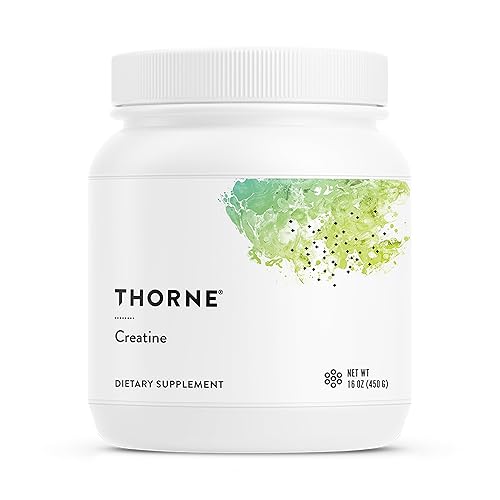
THORNE Creatine - Micronized Creatine Monohydrate Powder
- Lab tested by NSF Certified for Sport
- 4.7★ · 16,245 ratings
- 100% vegetarian
Trusted by the Mayo Clinic and US Olympic teams. Every batch independently tested for banned substances and purity. Micronized, unflavored — dissolves cleanly into your morning protein shake. NSF certified, which aligns with the clinical rigor of a GLP-1 prescription.
- 5g daily | Micronized monohydrate
- Certification: NSF Certified for Sport
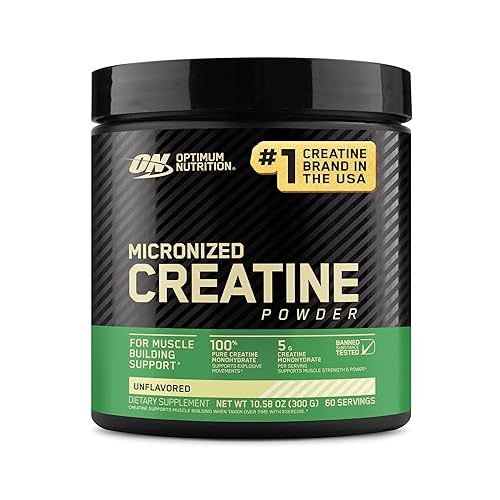
Optimum Nutrition Micronized Creatine Monohydrate Powder, Unflavored
- Lab tested by Informed Sport
- 4.6★ · 102,908 ratings
- 100% vegetarian
The best-selling creatine in the US. Micronized for smooth mixing, unflavored — mix it into your protein shake and it disappears completely. No loading phase, no cycling. Just 5g every day.
- 5g daily | Micronized monohydrate | 60 servings
Omega-3: The Anti-Inflammation Layer
Most people who start GLP-1 drugs carry metabolic syndrome, obesity-related inflammation, or cardiovascular risk — all conditions where EPA and DHA have demonstrated clinical benefit. Studies show 2–4g of combined EPA/DHA daily leads to measurable reductions in triglycerides. If your doctor put you on a GLP-1 for metabolic reasons, omega-3 works alongside it.
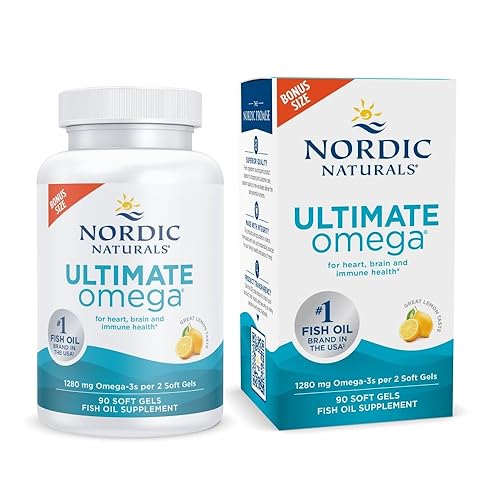
Nordic Naturals Ultimate Omega, Lemon Flavor - 90 Soft Gels - 1280mg Omega-3
- Lab tested by IFOS 5-Star
- 4.7★ · 58,426 ratings
The gold standard in fish oil. Lemon-flavored to eliminate fishy reflux (worse than usual when GLP-1 slows gastric emptying), triglyceride form for superior absorption, IFOS 5-star certified. 1,280mg combined EPA/DHA per serving.
- EPA: 650mg | DHA: 450mg | Triglyceride form
- Certification: IFOS 5-star, Friend of the Sea
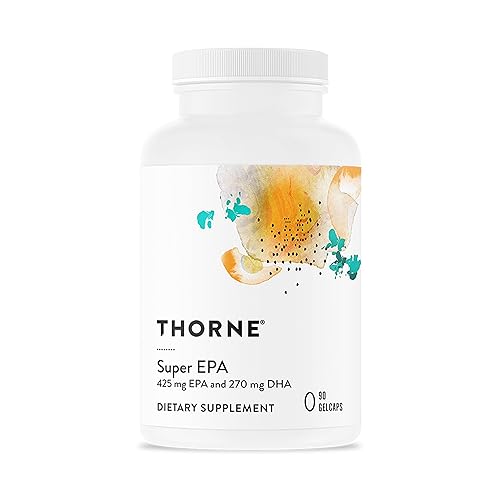
THORNE Super EPA - Omega-3 Fish Oil Supplement with EPA & DHA
- Lab tested by NSF Certified for Sport
- 4.6★ · 2,974 ratings
- 100% vegetarian
Higher EPA content for those with flagged inflammation or cardiovascular risk. NSF Certified for Sport, pharmaceutical-grade purity. The pick if your doctor has specifically raised inflammation or triglycerides alongside the GLP-1 prescription.
- Sustainably sourced | NSF Certified for Sport
Vitamins: Closing the Nutrient Gap
Eating 1,000–1,400 calories per day, you cannot hit your full micronutrient profile from food alone — it's mathematically impossible. Nutrients most at risk: B12, iron, zinc, and vitamin D. A basic multivitamin covers the gap.
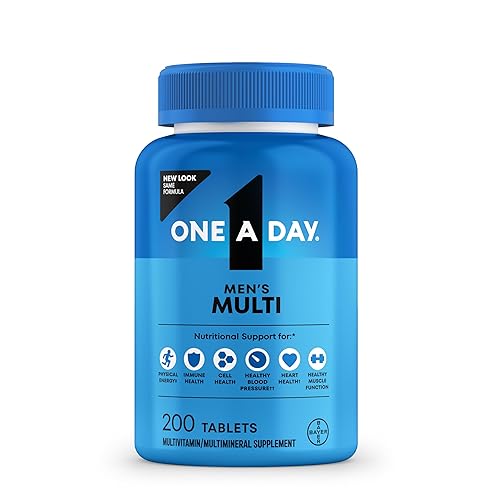
One A Day Multivitamin for Men - Daily Mens Multivitamins
- Lab tested by USP Verified
- 4.7★ · 56,996 ratings
- 100% vegetarian
Available everywhere — Amazon, Walmart, CVS. Covers the essential daily micronutrient gaps from drastically reduced food intake including D3, B12, zinc and folic acid. The reliable, no-fuss pick when you just want coverage sorted.
- Once daily | Includes D3, B12, zinc, folic acid
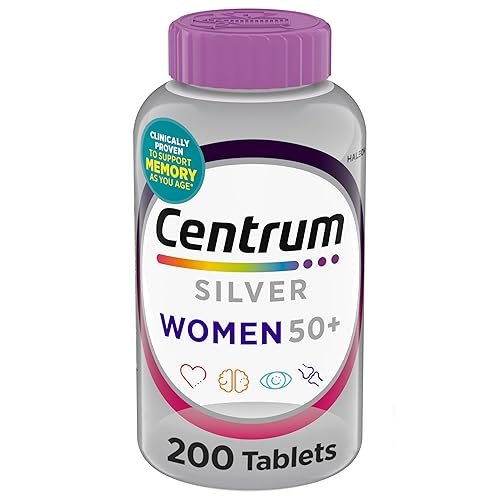
Centrum Silver Women's Multivitamin for Women 50 Plus
- Lab tested by Third-party tested
- 4.8★ · 17,838 ratings
- 100% vegetarian
Specifically formulated for women over 50 — the demographic most likely to be on GLP-1 drugs for metabolic reasons. Higher iron-free formula, D3, B12, calcium support. Clinician-trusted brand, widely available.
- Iron-free formula | D3, B12, calcium | Once daily
Practical order of operations: protein shake in the morning (appetite is lowest at breakfast), creatine mixed into it, omega-3 with lunch, multivitamin with dinner. Four habits, all done before noon except one, total cost around $3–4 per day.
What to Skip
- Fat burners with stimulants — GLP-1 is already suppressing appetite and reducing calorie intake. Adding caffeine-heavy thermogenics on top increases heart rate and anxiety with no additive fat loss benefit
- Appetite suppressants — redundant by definition. Save the money
- BCAAs — if you are hitting your total protein target via whey isolate, BCAAs add nothing. They're amino acids you're already getting
- Collagen protein as a primary protein source — collagen is low in leucine, the amino acid that triggers muscle protein synthesis. It should not replace whey as your main protein
- Any supplement promising to "boost GLP-1 naturally" — the marketing has gotten completely out of hand. Berberine, for example, has modest glucose effects but is nowhere near a GLP-1 agonist
Frequently Asked Questions
Can I take protein powder and creatine while on semaglutide?
Yes — both are food-derived supplements with no known interactions with GLP-1 medications. Whey protein is derived from milk. Creatine is naturally found in red meat. Neither affects how semaglutide works. Always run supplements past your prescribing physician, but these two have no contraindications.
How much protein do I actually need on a GLP-1 drug?
The current evidence suggests 1.2–1.6g per kg of bodyweight (0.55–0.73g per lb) for adults in a caloric deficit who want to preserve muscle. For a 180lb person, that's roughly 100–130g of protein per day. One scoop of whey isolate covers 25g of that — meaning you still need to hit ~75–105g from food. That's manageable if you prioritize protein-dense foods (eggs, Greek yogurt, chicken, cottage cheese) at every meal.
Does creatine cause water retention that will mask my GLP-1 weight loss?
Creatine causes 1–2kg of intramuscular water retention in the first 1–2 weeks. This is water stored inside muscle cells, not subcutaneous bloating. The scale will show this temporarily. But consider the trade-off: you are preserving muscle that would otherwise be lost, which is worth far more for long-term metabolic health and body composition than the number on the scale suggests.
The Bottom Line
GLP-1 drugs are genuinely effective — but they work best when muscle loss is minimized and the metabolic inflammation driving the underlying condition is addressed in parallel. That means protein (isolate, high-density, easy to consume), creatine (daily, non-negotiable), omega-3 (EPA + DHA, not the cheap stuff), and a multivitamin to close the nutrient gaps that come with drastically reduced food volume. Everything else is optional. Use the WheySearch comparison tool to check real-time pricing on all of these — the cost difference between smart and careless supplement buying is real.