Loading...
Loading...
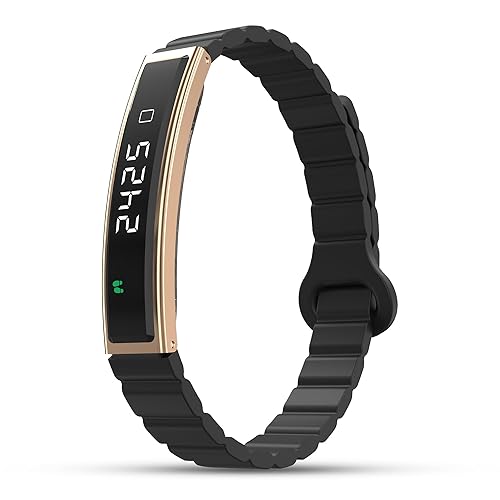
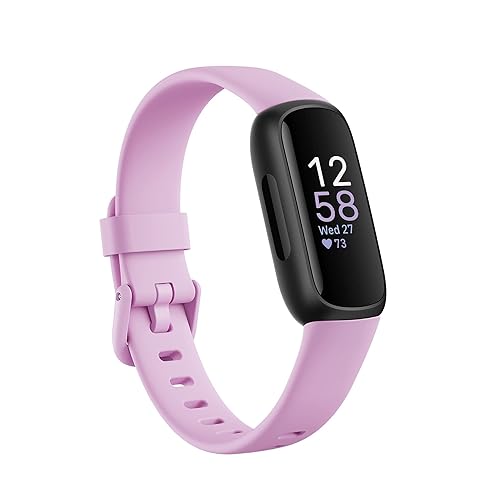
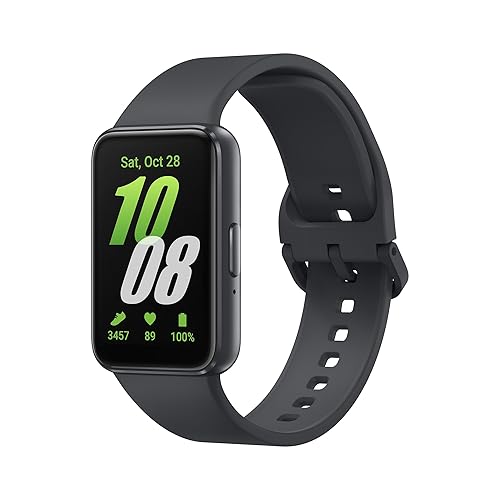
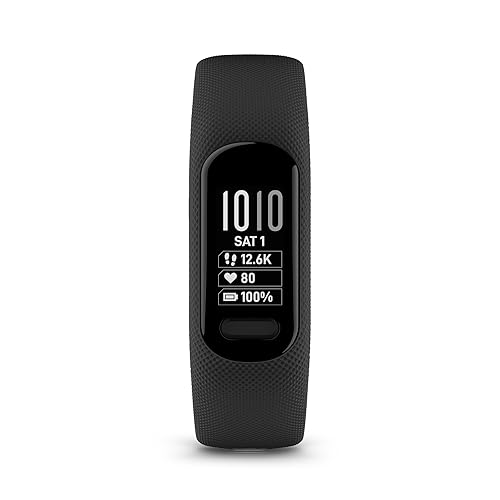
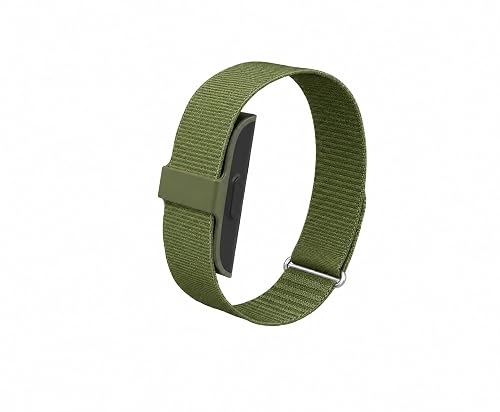
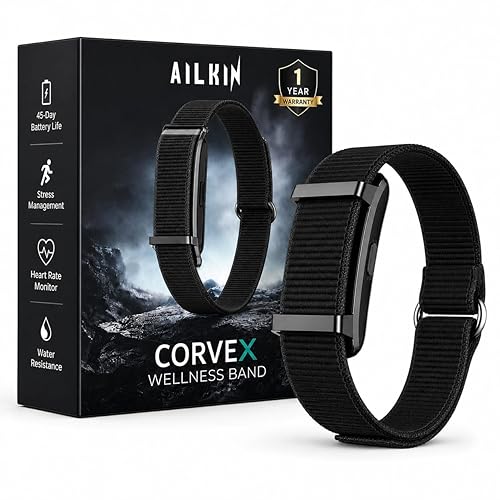
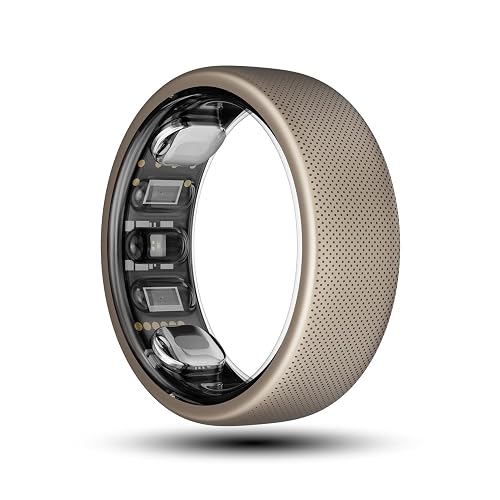
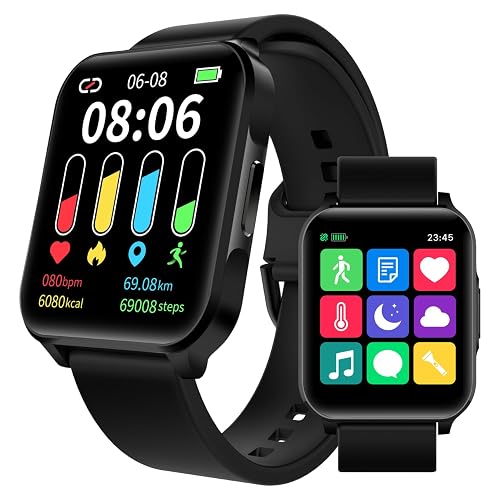
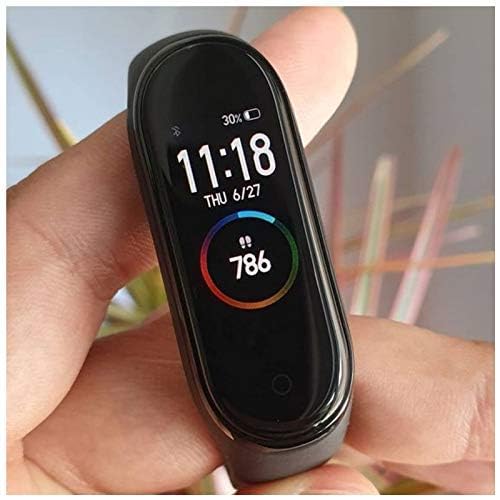
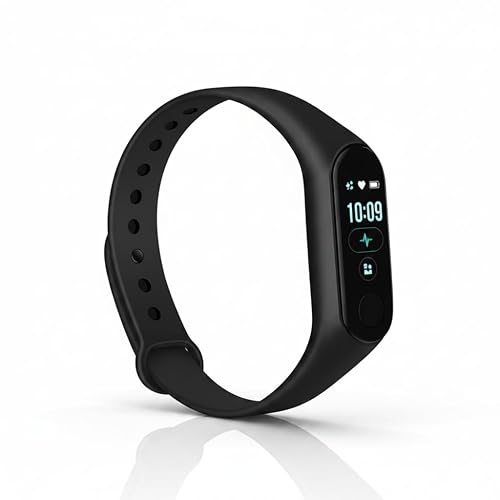
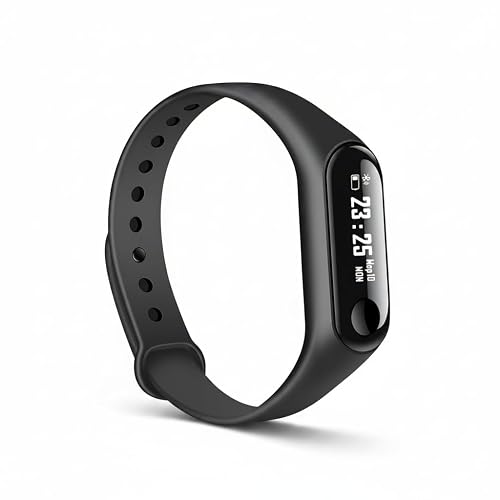
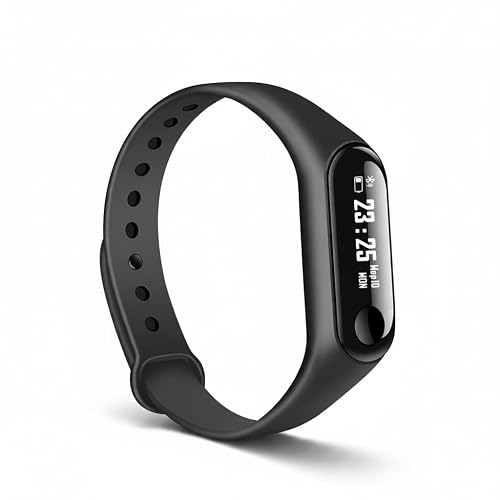
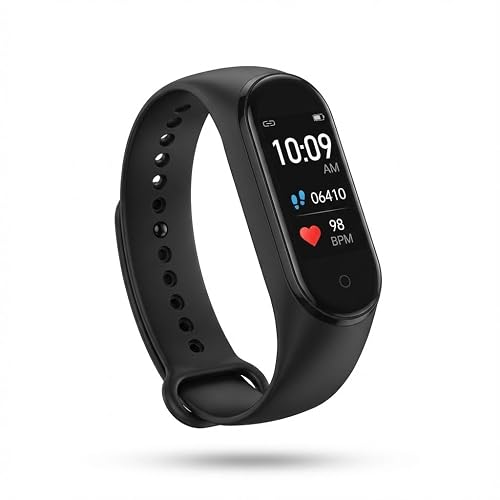
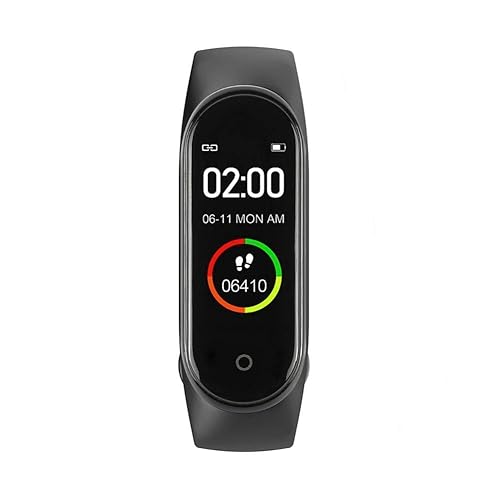
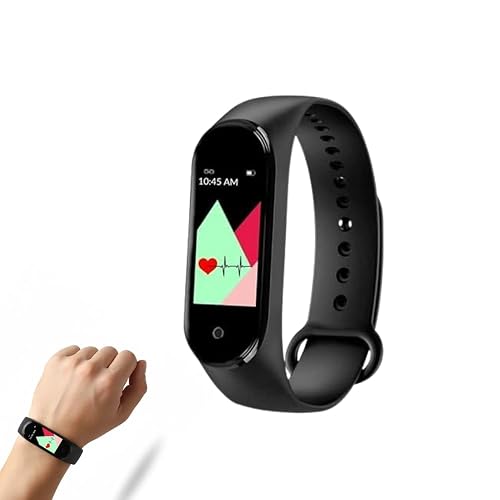
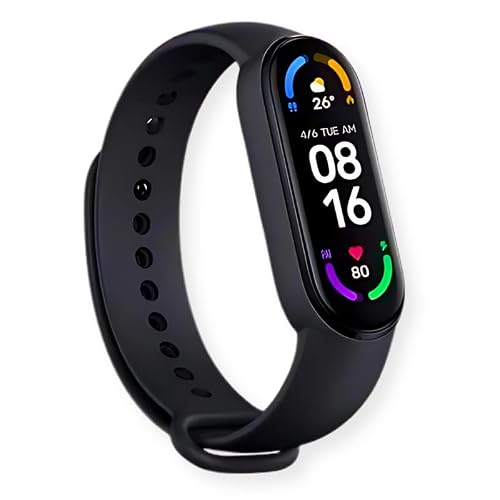
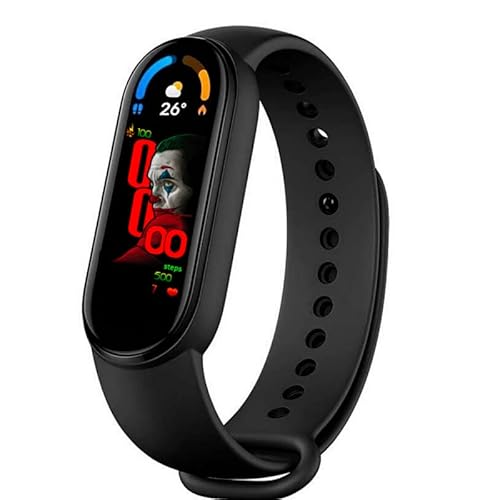
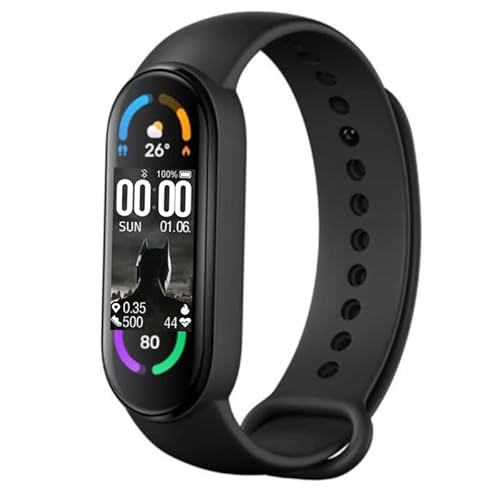
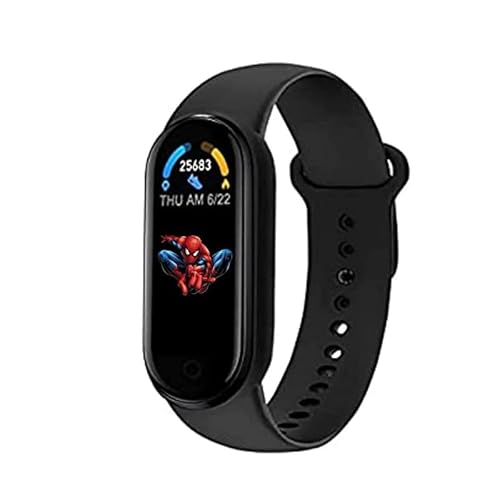
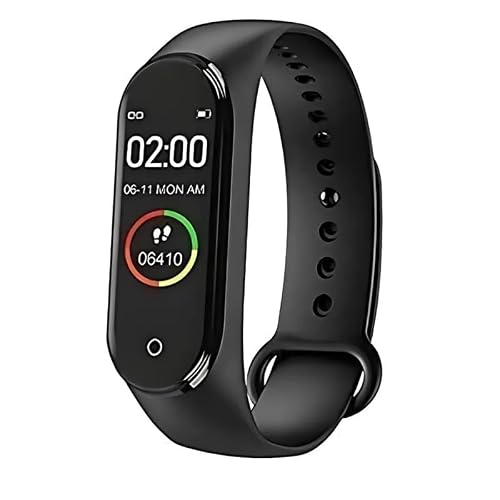
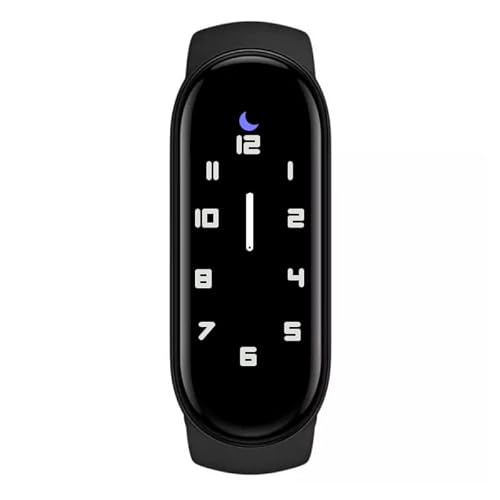
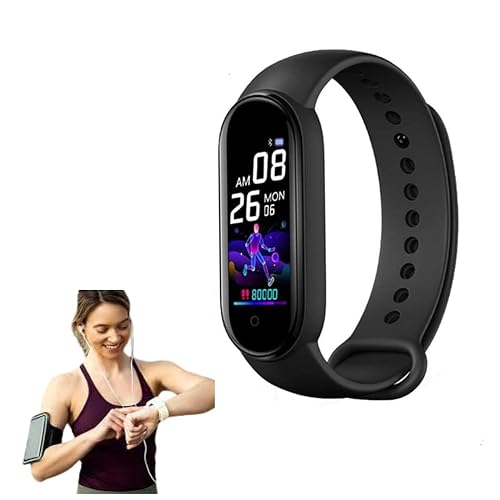
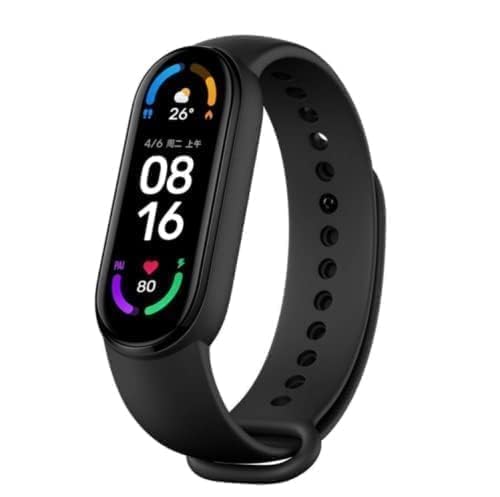
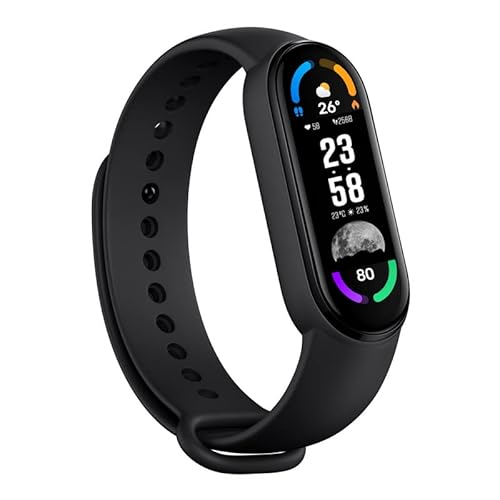
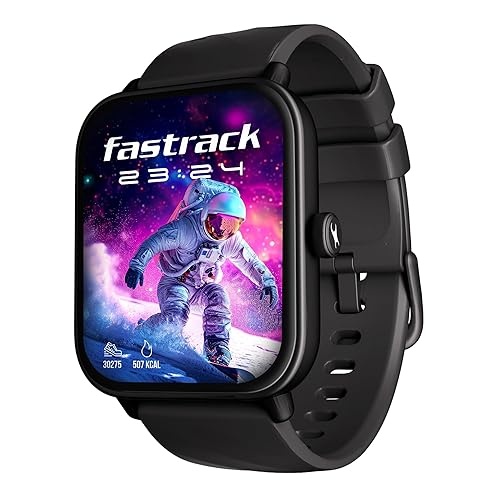
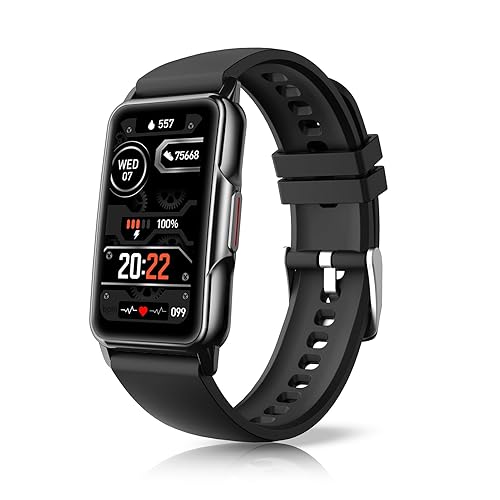
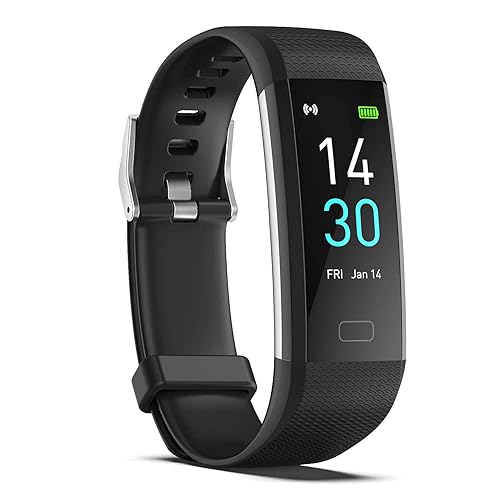
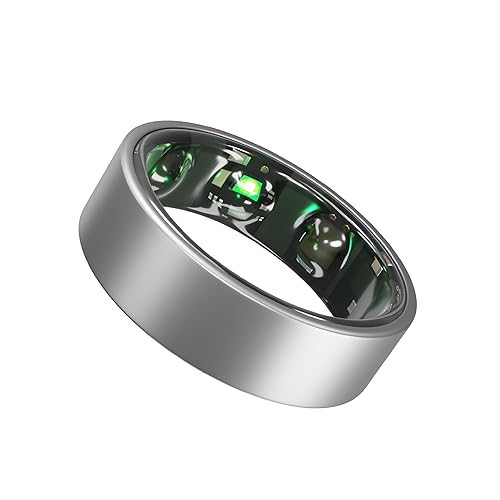
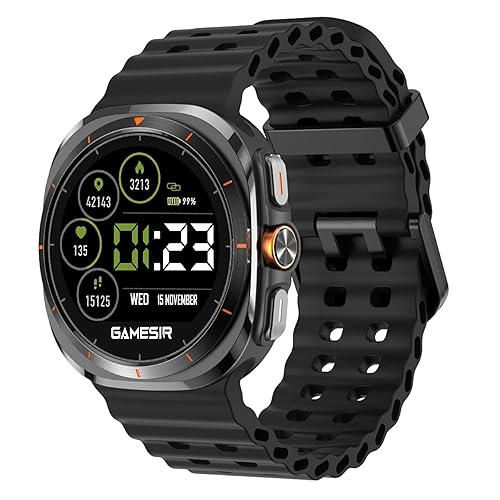
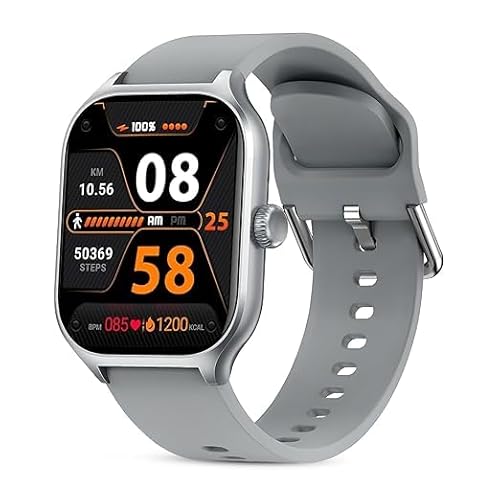
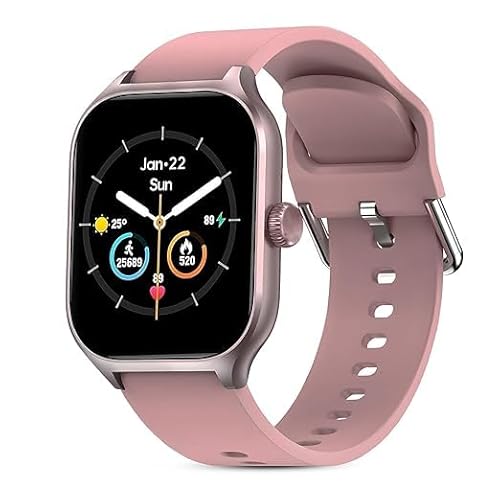
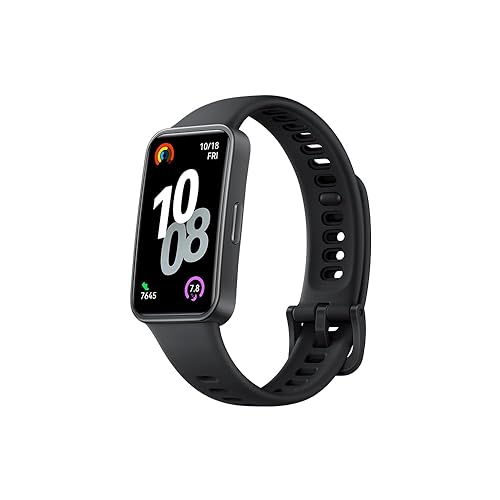
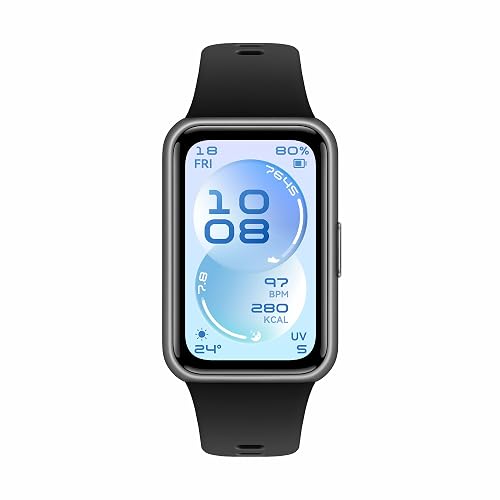
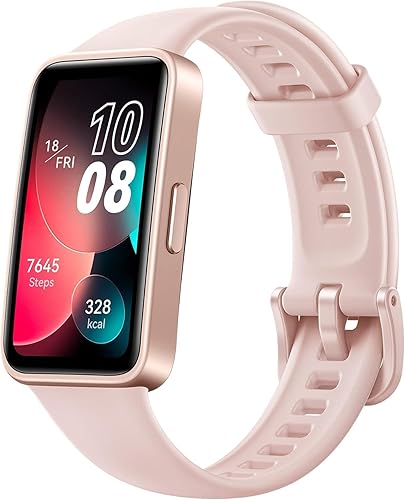
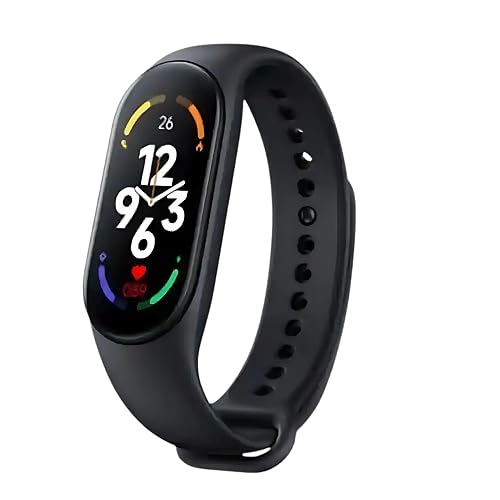
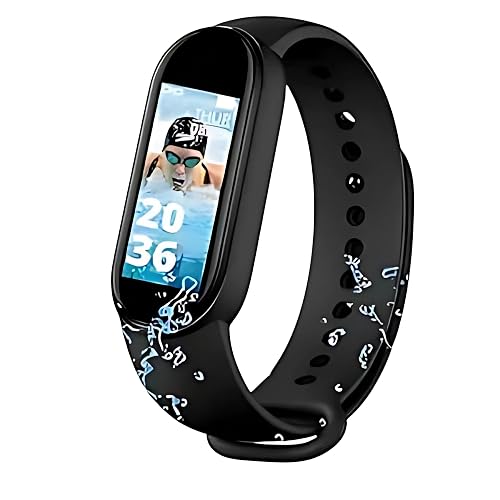
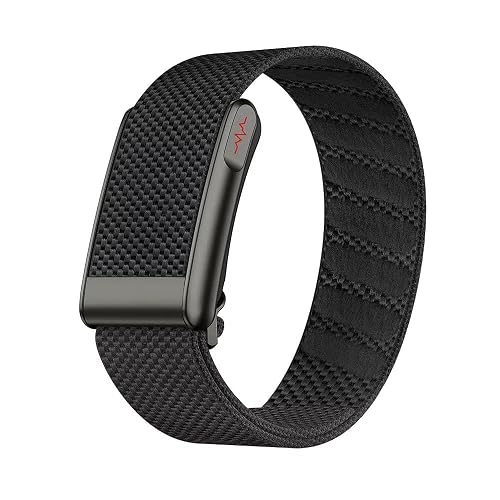
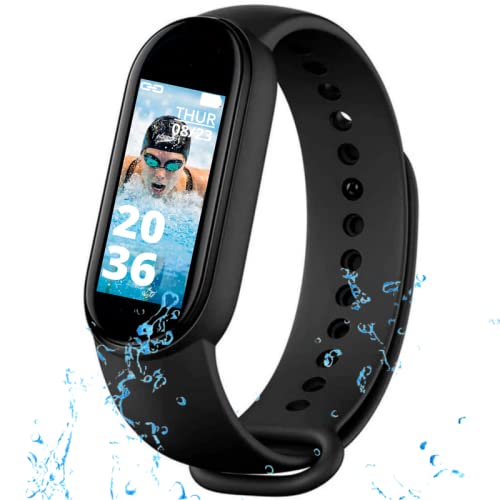
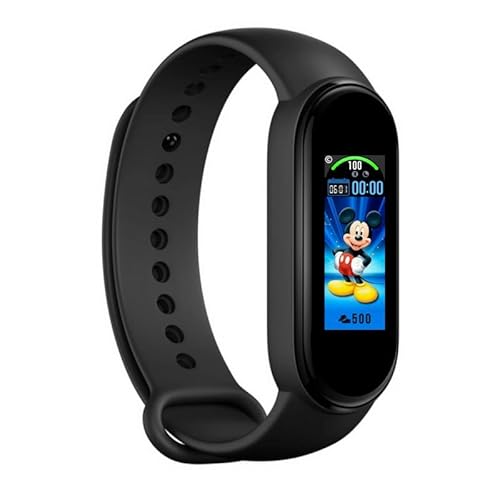
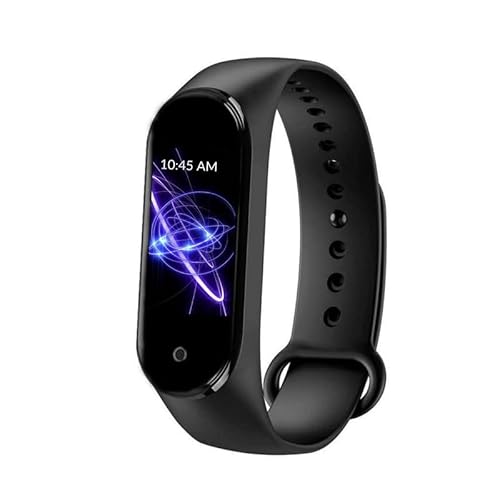
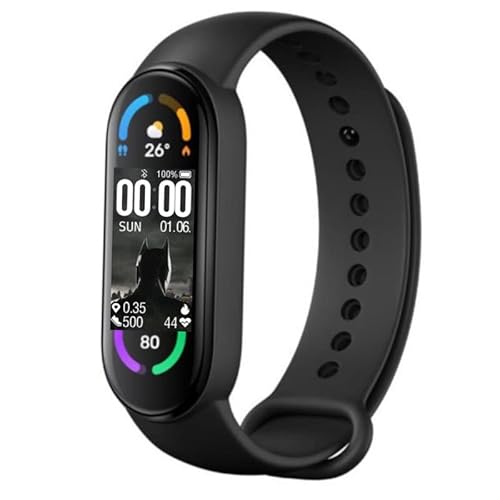
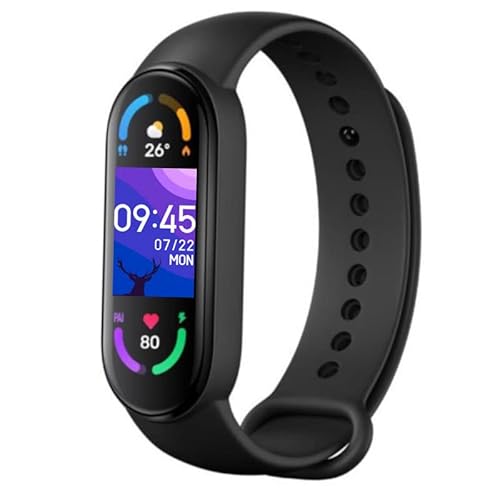
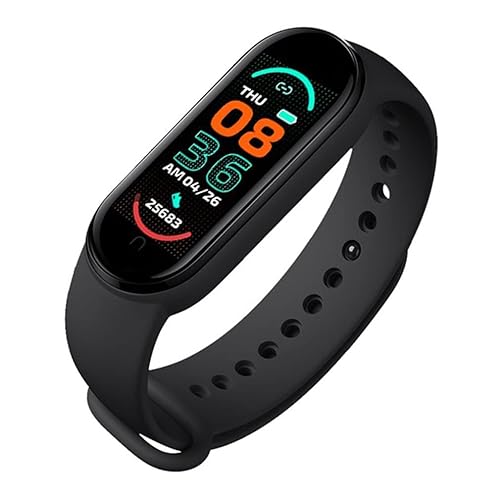
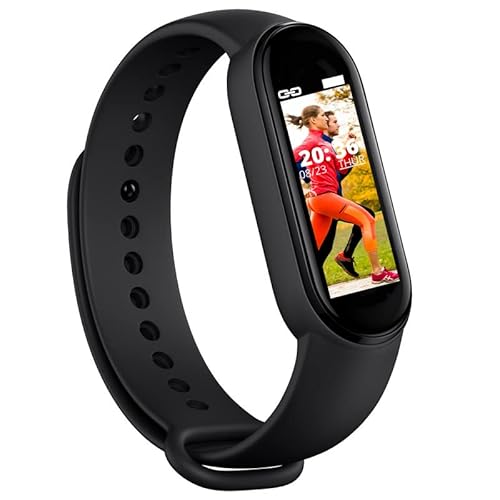
Smart bands and fitness watches on Amazon.in ranked by features and value. Steps, heart rate, SpO2, sleep tracking — all compared in one place.
Tracker vs Smartwatch
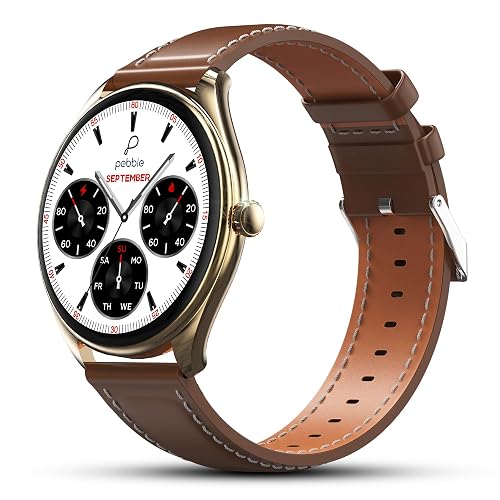
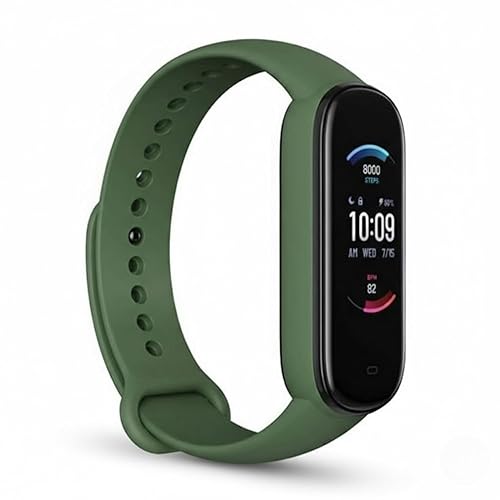
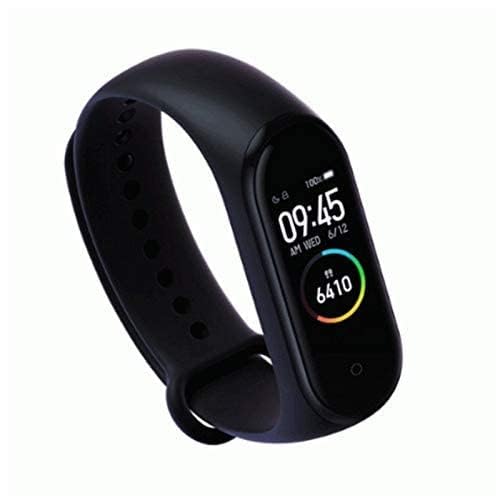
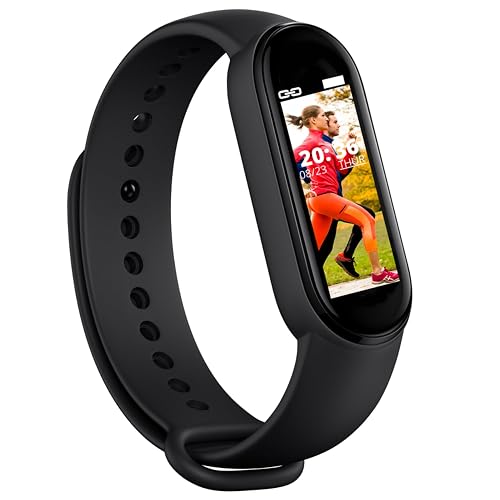
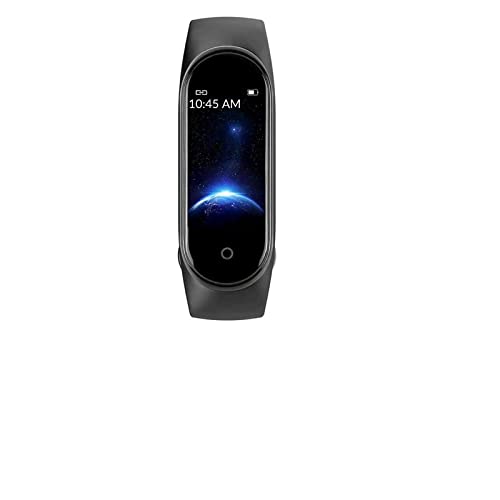
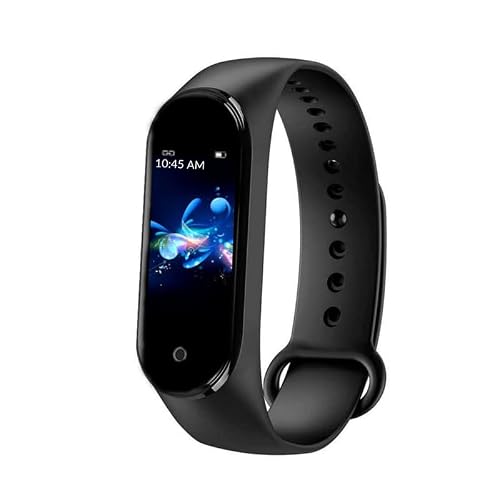
Dedicated fitness bands (Mi Band, Noise Smart) have longer battery life (7–21 days) and better fitness sensors. Smartwatches (Apple Watch, Galaxy Watch) have richer apps but last 1–2 days. For fitness-first use, choose a dedicated tracker under ₹3,000.
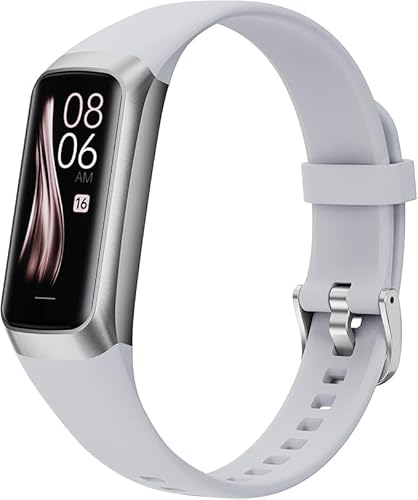
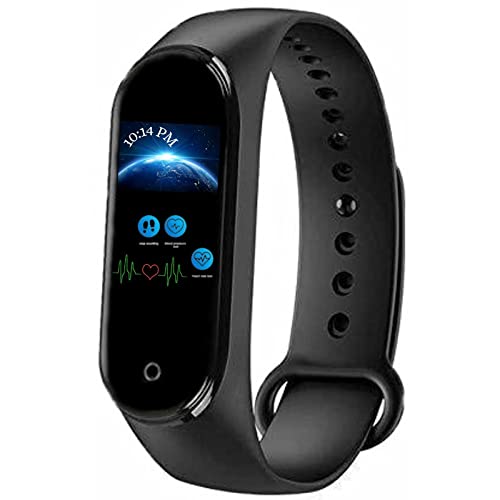
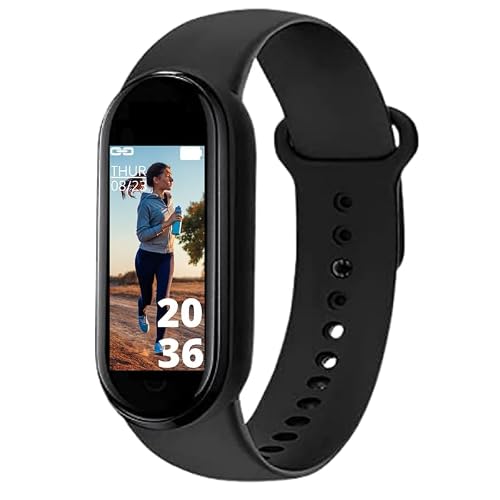
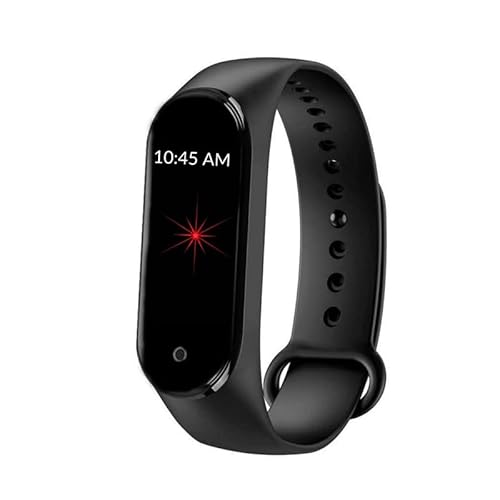
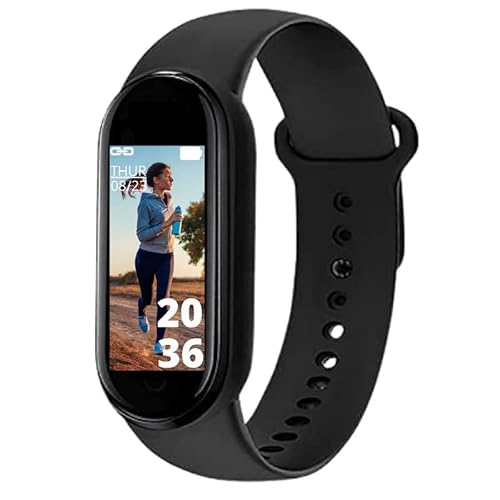
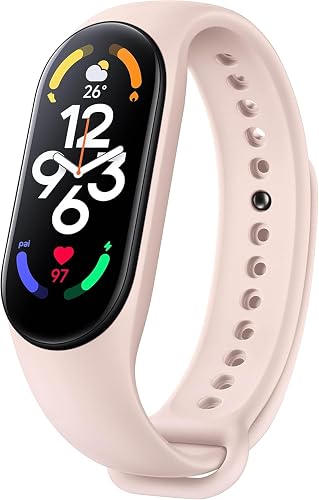
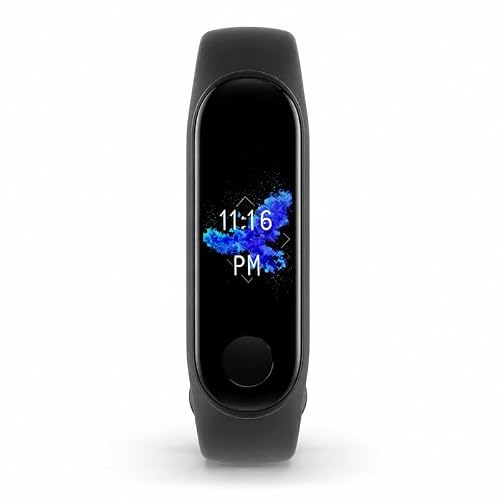
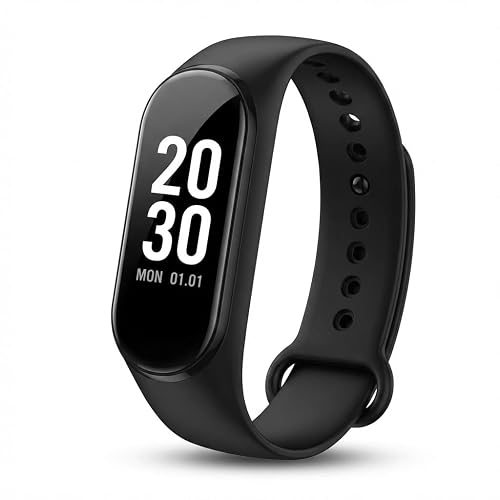
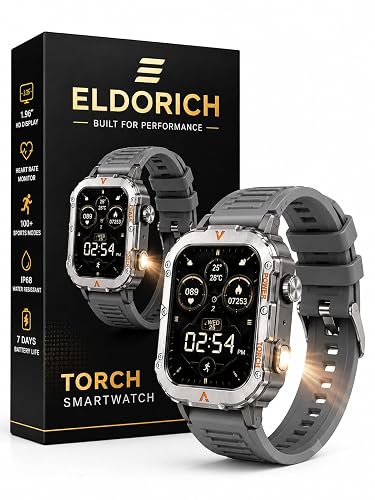
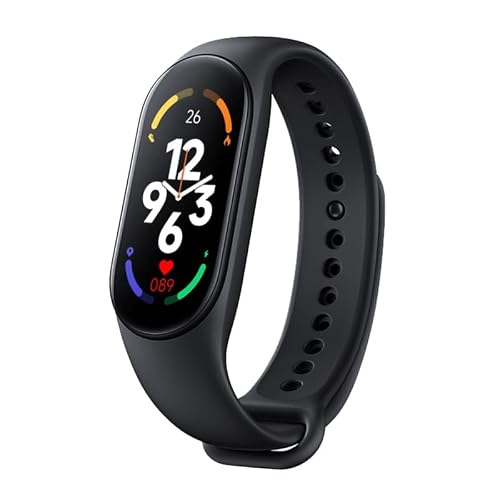
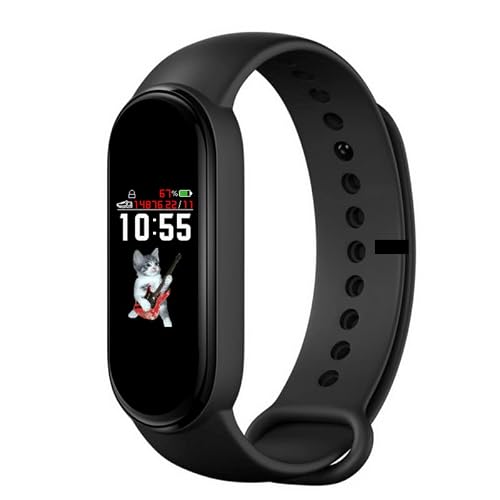
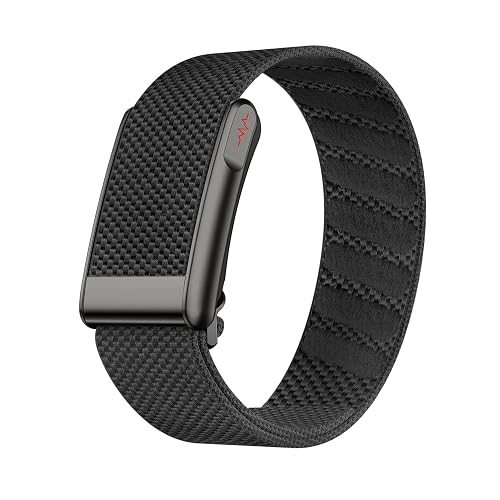

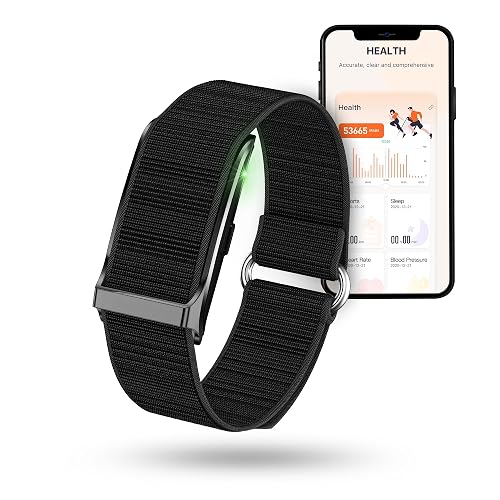
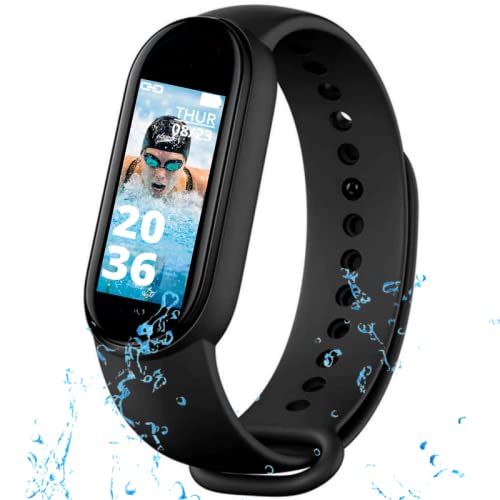
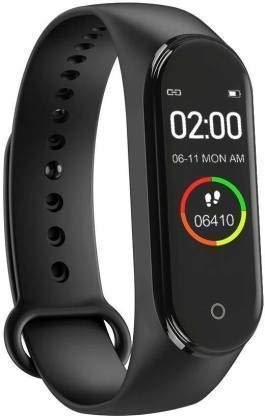
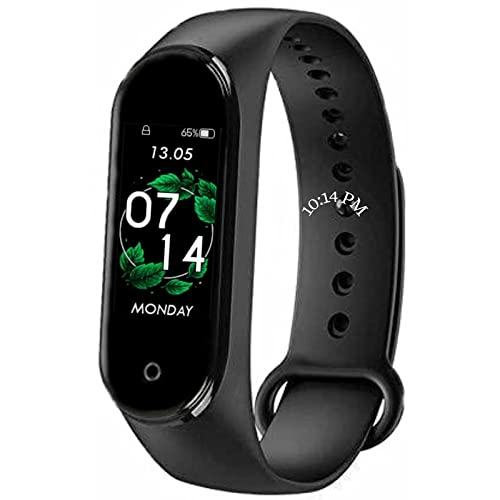
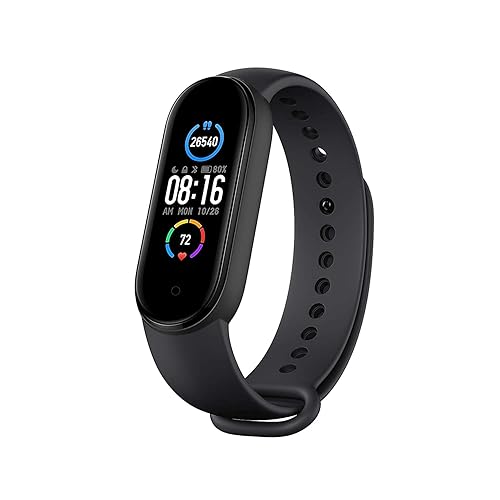
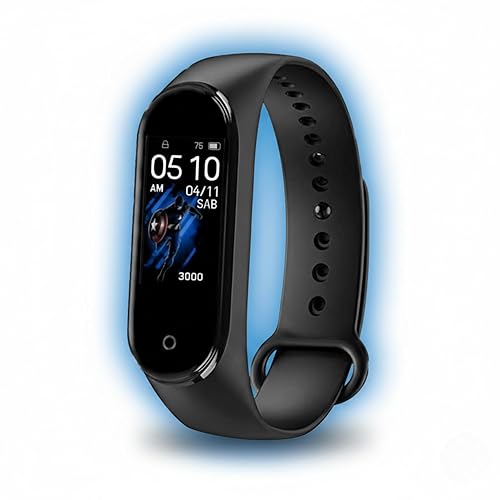
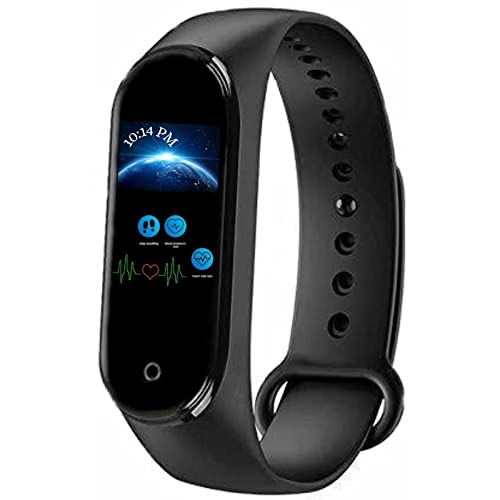
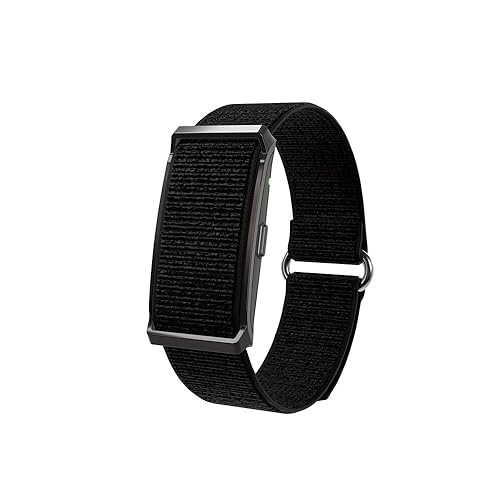
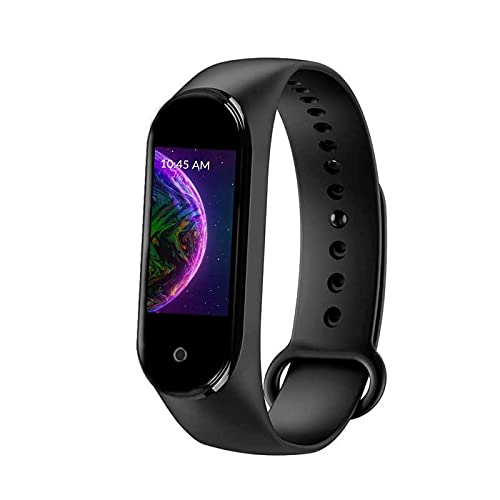
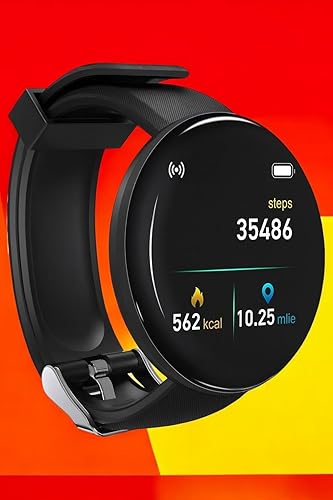
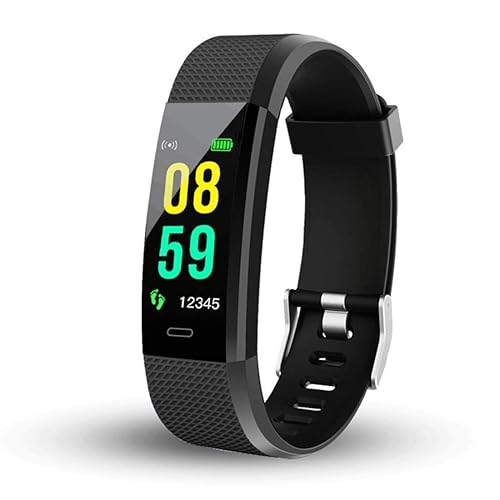

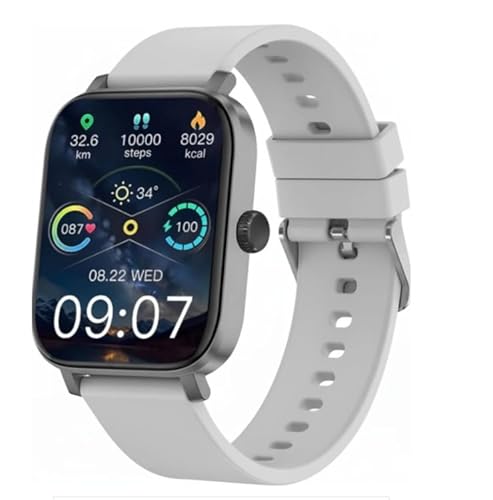
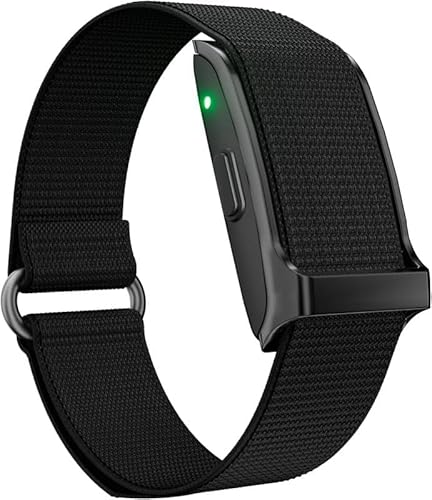
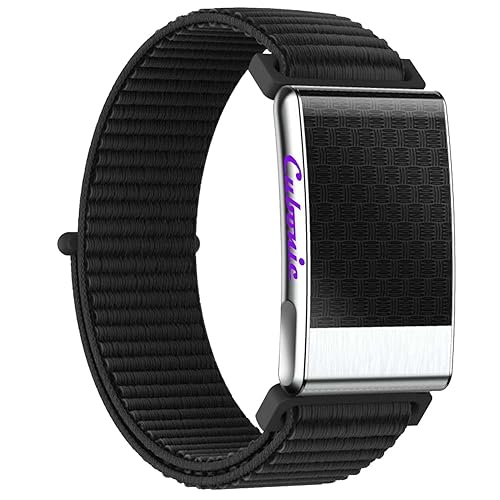
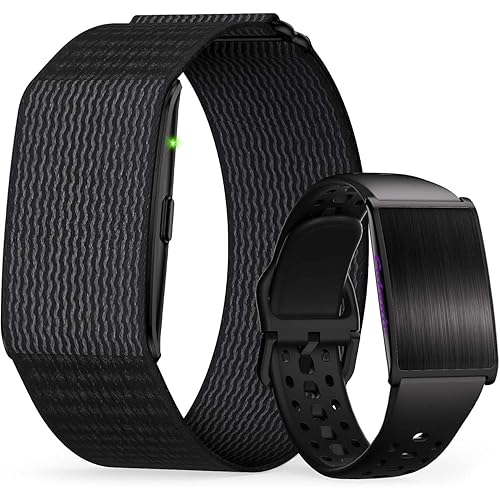
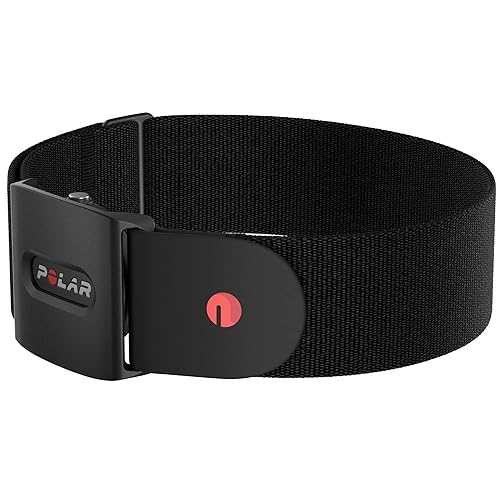
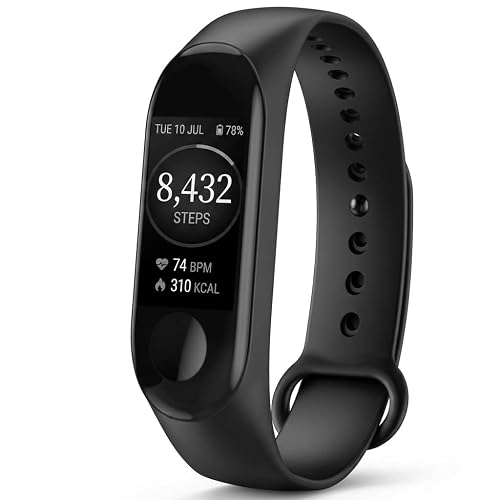
Key metrics to check: heart rate monitoring accuracy, battery life, display visibility in daylight, sleep tracking quality, and companion app quality. For gym-goers, also check if it tracks specific workout types and supports external heart rate zones.
Most modern trackers are reasonably accurate (±10-15%) for step counting. Wrist-based step counting is less accurate than phone pedometers during cycling, driving, or activities with limited wrist movement. For precise tracking, clip-on pedometers or GPS watches are more reliable.
SpO2 on consumer fitness trackers is useful for spotting trends during sleep (detecting possible sleep apnea) and altitude training, but not accurate enough for medical use. Don't rely on fitness tracker SpO2 readings for medical decisions.
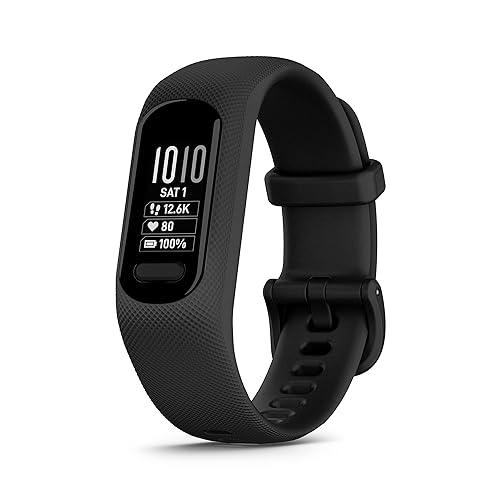
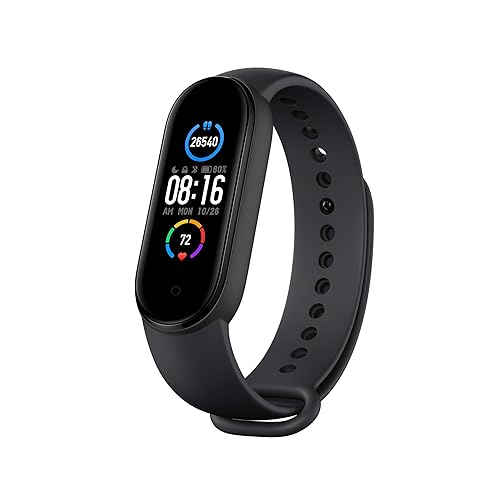
Most Mi Band / Xiaomi Smart Band models offer 14-21 days. Garmin fitness watches (Vivosmart, Lily series) offer 7-14 days. Apple Watch and premium Samsung Galaxy Watch typically last 1-2 days. For minimum charging hassle, choose a dedicated band over a full smartwatch.
Yes, most modern trackers have dedicated 'workout' modes for strength training, though rep counting is unreliable without specific sensor setups. For gym use, focus on heart rate zone tracking during cardio warm-ups and cool-downs. A tracker is not a substitute for a proper workout log app.
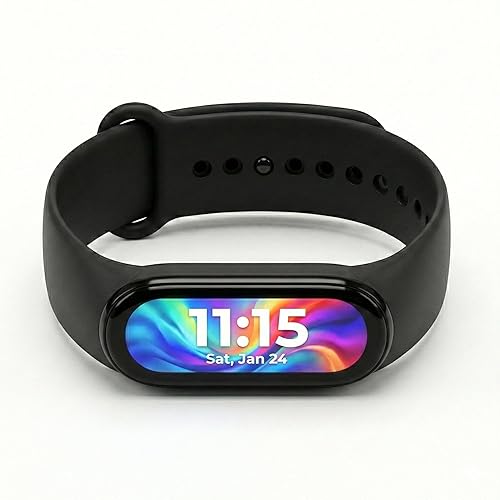
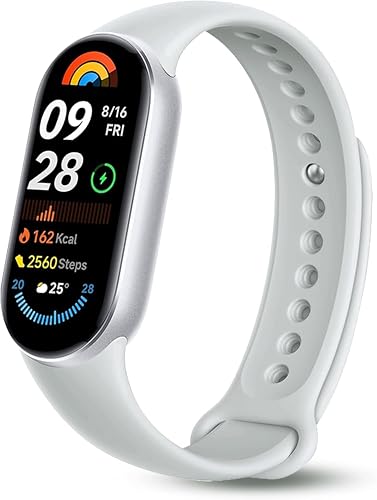
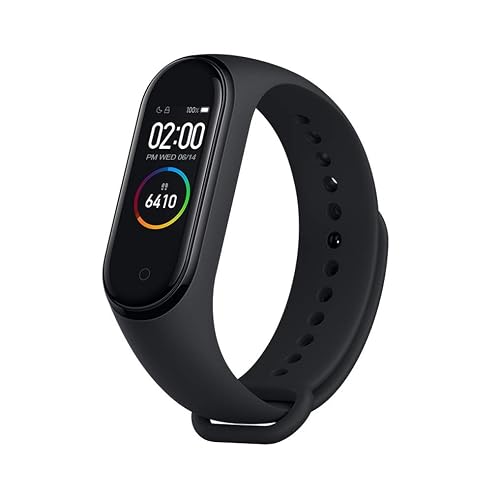
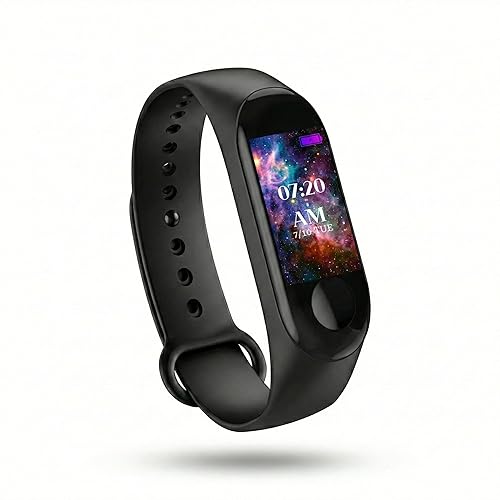
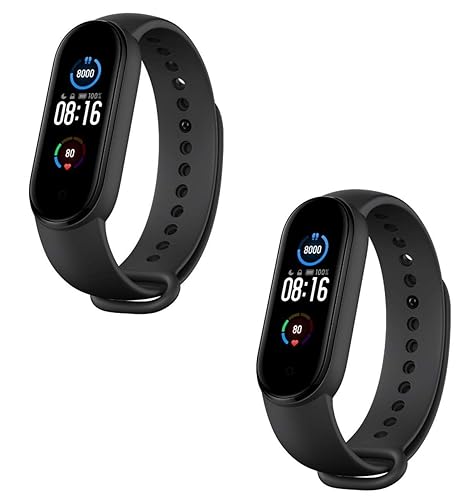
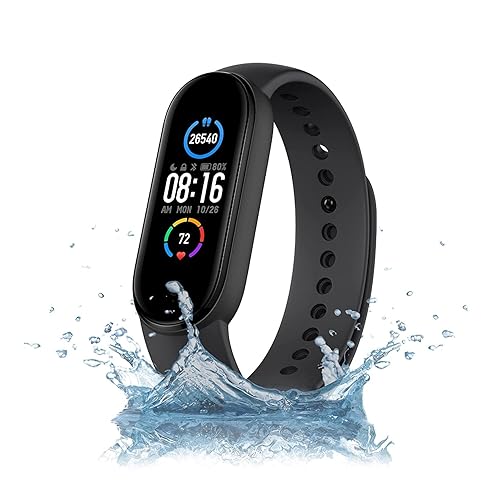
The Mi Band / Xiaomi Smart Band range consistently offers the best value under ₹2,000 — AMOLED display, 14+ day battery, heart rate, SpO2, and a solid companion app. Noise and boAt offer competitive alternatives with better displays at slightly higher prices.