
Fitness trackers are one of the most purchased and least used gadgets in India. Walk into any gym and you will see them on wrists — and find out later that most of them stopped syncing two months ago. Before spending Rs.1,800 to Rs.15,000 on a wrist band, it is worth asking honestly: will this actually change anything for you?
Top Fitness Trackers
✨ AI Summary
- ✓Fitness trackers help most with: step goals, sleep awareness, and exercise habit formation
- ✓They do NOT replace actual diet discipline, a good coach, or consistent training
- ✓Best entry point for Indian buyers: Mi Band 9 (~Rs.1,800) — low risk, genuinely useful
- ✓Worth upgrading to Fitbit or Garmin only if you take cardio training seriously
- ✓The data is only useful if you actually look at it and change something based on it
- ✓Most people benefit from 3-6 months of basic tracking before deciding if they need more
What a Fitness Tracker Actually Does Well
Let us start with what these devices genuinely deliver. A fitness tracker is good at three things: counting steps, monitoring resting heart rate trends over time, and tracking sleep duration and basic quality. These sound modest, but they are surprisingly useful when you have never had consistent data about your own baseline.
The 10,000-step goal is somewhat arbitrary but the behaviour it creates is not. People who track steps walk measurably more than those who do not — multiple large-scale studies confirm this. A cheap Rs.1,800 Mi Band creating that feedback loop is genuinely valuable.
Sleep tracking is often underestimated. Many Indian adults have no idea whether they are getting 5 hours of sleep or 7. A tracker showing that you are consistently getting 5.5 hours of fragmented sleep — not 7 hours as you assumed — is actionable information.
What a Fitness Tracker Cannot Do
It cannot make you fitter. The device is a mirror, not an engine. A tracker showing you burned 400 calories on a walk does not automatically lead to fat loss — that depends on what you eat, which the tracker has no knowledge of unless you manually log everything (which most people do not sustain).

Affiliate link: we may earn a small commission if you buy through it, at no extra cost to you.
It cannot replace a coach. The workout analysis features on even premium Garmin devices are directional at best. A qualified trainer watching your form, adjusting your programme, and understanding your fatigue in context will always outperform a sensor on your wrist.
It cannot guarantee accuracy on all metrics. Calorie burn estimates are notoriously unreliable — wrist-based optical sensors can be off by 20-40% on calorie counts. SpO2 readings are screening tools, not diagnostics. Heart rate is accurate at rest but degrades during high-intensity wrist-movement-heavy exercise.
Do not use fitness tracker calorie burn estimates to justify eating more. The calorie numbers are guidance, not measurement. Studies consistently show wrist trackers overestimate calorie burn by 15-40% depending on activity type.
Who Benefits Most from a Fitness Tracker
You will genuinely benefit if:
- You have a sedentary desk job and want a reminder to move more
- You are starting an exercise habit and want external accountability
- You suspect your sleep is poor but have no data to confirm it
- You are training for a specific event — a 5K, a half marathon, a trek — and want consistent data on heart rate and distance
- You manage a chronic condition like hypertension and want to monitor resting heart rate trends between doctor visits
You probably do not need one if:
- You are already consistently active and training with a coach
- You are primarily focused on strength training where wrist-based metrics are less relevant
- You know you will look at the app once and lose interest — be honest with yourself
- You are hoping it will motivate you to start exercising — motivation comes first, the tracker is a tool for people already moving
The Right Budget for Your Situation
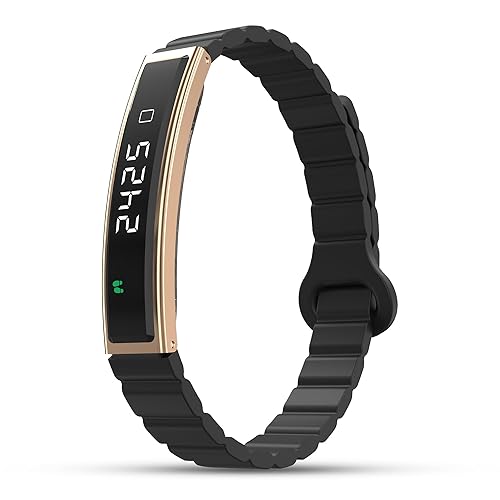
Rs.1,500–2,500 (Mi Band 9, Noise ColorFit Pro): The right starting point for almost everyone. These devices deliver 80-90% of the meaningful daily health data at 15-20% of the premium cost. If you have never tracked before, start here.
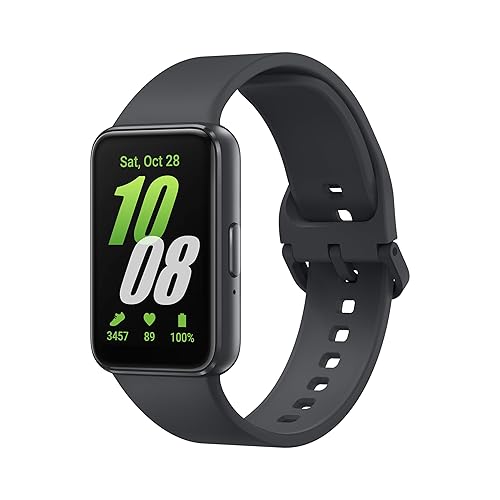
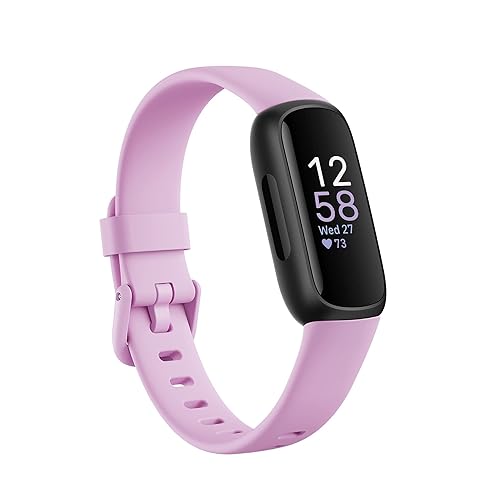
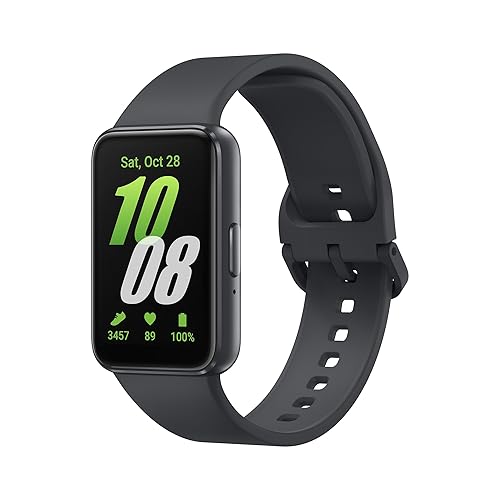
Rs.6,000–8,000 (Samsung Galaxy Fit 3, Fitbit Inspire 3): Justified if you have been tracking for 6+ months on a basic band, found the data genuinely useful, and want better sleep analysis or a more polished app experience.
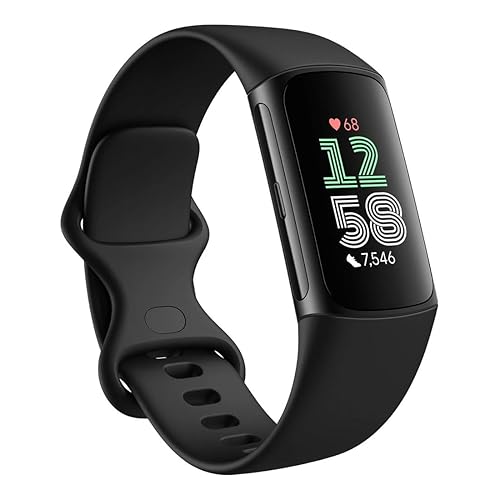
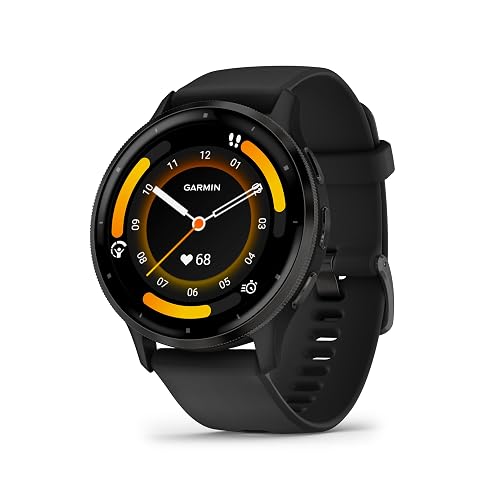
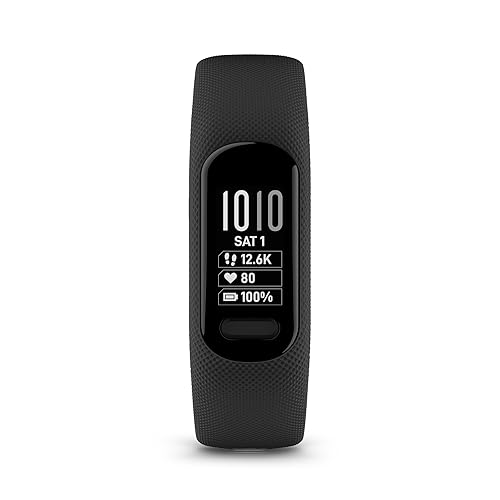
Rs.12,000+ (Garmin Vivosmart 5, Fitbit Charge 6): Only justifiable for people who run or cycle regularly, care about heart rate zone training, or have specific health monitoring needs like ECG screening. Spending this amount to count steps is a poor use of money.
India-specific note: Many premium tracker features like Google Wallet payments and Fitbit Premium's advanced health reports require stable internet and cloud accounts. Factor in whether you want the hardware features alone or the full subscription-dependent experience.
Features That Sound Good but Are Not Critical
- 100+ sport modes: Most people use 3-4 modes. Having 150 is not meaningfully better than having 10
- SpO2 / blood oxygen monitoring: Useful for high-altitude trekkers and people with diagnosed respiratory conditions. For most users, a one-time reading tells you almost nothing
- Stress tracking: Based on heart rate variability algorithms that are helpful for trendlines but too noisy for real-time use
- Menstrual cycle tracking: Genuinely useful if you actively engage with it, but requires consistent data logging
- Built-in GPS: Valuable only if you go running or cycling without your phone
How to Get Maximum Value from a Tracker
The people who get real value from fitness trackers share a few habits. They check their data daily for the first month to understand their baseline. They set one specific goal — usually steps or sleep duration — rather than trying to optimise everything at once. They review weekly summaries rather than obsessing over single-day numbers.
The people who do not get value buy the device, look at it for a week, and stop checking the app because nothing actionable appears. The tracker does not create the habit of looking at data — you have to build that habit yourself.
Start simple: set a step goal 20% higher than your current average and work toward it for 30 days. That single change — consistently achieved — will do more for your fitness than any premium feature on an expensive tracker.
Bottom Line
Most Indian buyers will get genuine value from a Rs.1,800–2,200 fitness tracker if they approach it with realistic expectations: it is a behaviour awareness tool, not a fitness solution. The data is a mirror. What you do with the reflection is entirely up to you.
If after 3-6 months of consistent use you find yourself wanting deeper data — more accurate sleep stages, better heart rate zone tracking, GPS for outdoor runs — that is the right moment to upgrade. Buying the premium tracker upfront on the assumption that it will motivate you more is usually an expensive mistake.