
Once you move past the sub-Rs.2,500 tier of Mi Bands and Noise trackers, the market narrows sharply. Three names dominate the Rs.6,000–Rs.20,000 band segment in India: Garmin's Vivosmart 5, Fitbit's Charge 6, and Samsung's Galaxy Fit 3. Each targets a slightly different buyer, and each has a genuinely different philosophy about what a fitness tracker should do.
Top Fitness Trackers
✨ AI Summary
- ✓Garmin Vivosmart 5 (~Rs.12,000–14,000): deepest workout analytics, best for runners and gym regulars
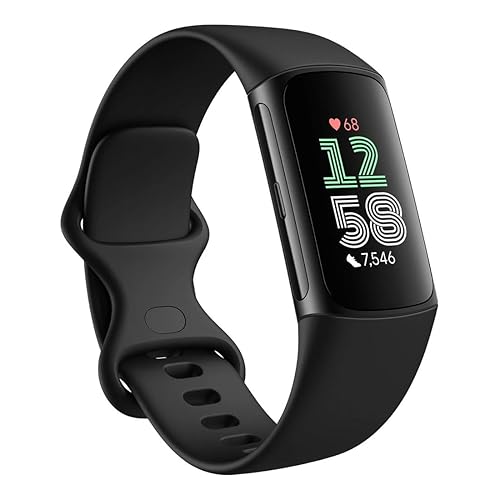
- ✓Fitbit Charge 6 (~Rs.14,000–16,000): best sleep tracking + heart rate zones, tight Google integration
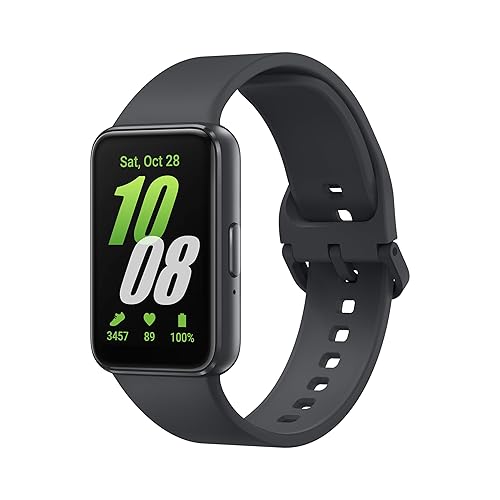
- ✓Samsung Galaxy Fit 3 (~Rs.6,000–7,000): best value in this tier, excellent for Samsung phone users
- ✓Battery: Garmin wins at 7+ days with GPS active; Samsung 13 days without GPS; Fitbit 7 days
- ✓If you own a Samsung phone, Galaxy Fit 3 is the easy choice — no competition at this price
- ✓For serious cardio training with GPS, Garmin is the only real option in band form factor
Price Context: What You Are Actually Paying For
The Samsung Galaxy Fit 3 sits at ~Rs.6,500 on Amazon India — less than half the price of its two competitors. That makes any comparison slightly unfair, but it also makes the question more interesting: at this price gap, does Garmin or Fitbit deliver 2x the value?
For some buyers, yes. For most casual users, probably not. The entire comparison comes down to whether you are someone who trains with specific goals or someone who primarily wants reliable daily tracking data.
Build Quality and Wearability
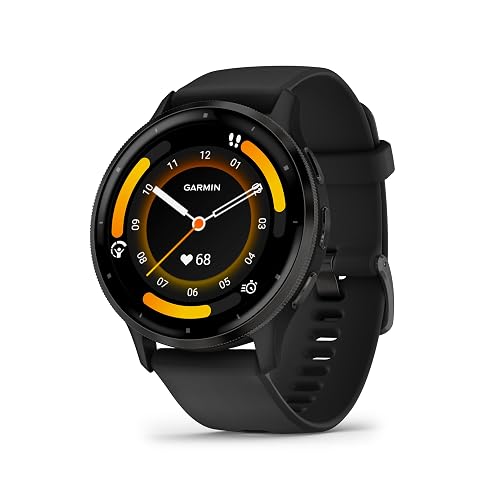
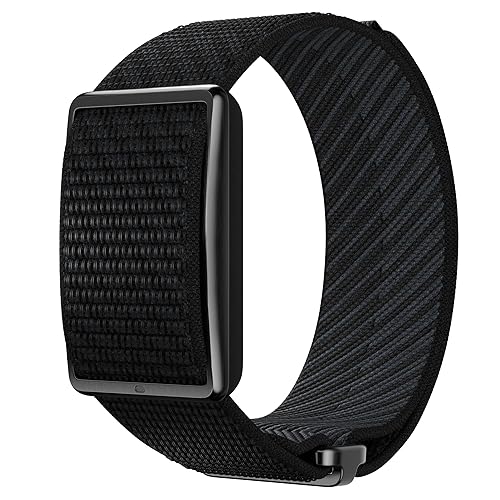
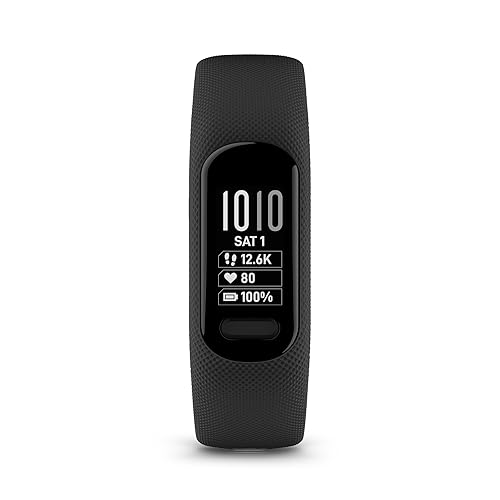
The Garmin Vivosmart 5 has a slim, minimalist profile with a soft silicone band. It does not look premium by smartwatch standards, but it is comfortable enough to sleep in and survive the gym without catching on equipment. The hidden display is clever — the screen is flush with the housing, making it look like a plain band until you tap or raise your wrist.
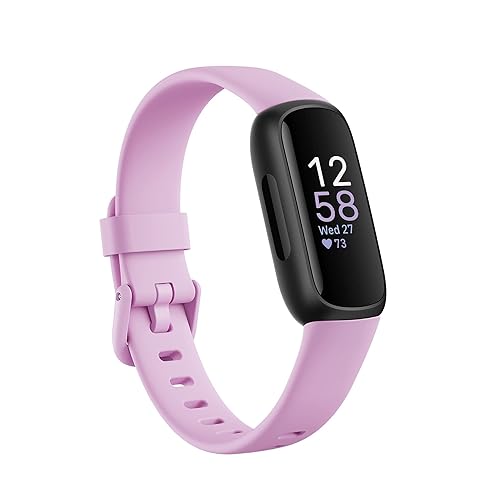
The Fitbit Charge 6 is slightly bulkier with a rectangular display and a more traditional band look. Build quality is excellent — the aluminium case feels solid and the replacement bands are widely available in India. It is water-resistant to 50 metres.
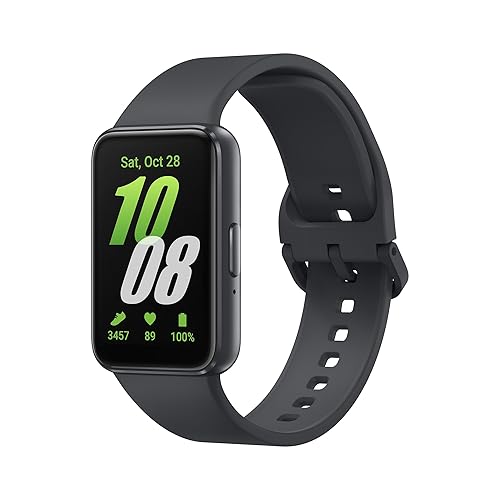
Samsung Galaxy Fit 3 is the outlier: it is closer to a smartwatch silhouette with a larger 1.6-inch AMOLED display. For Rs.6,500 it looks significantly more premium than you would expect. The display resolution is noticeably better than both Garmin and Fitbit. If appearance matters, Samsung wins.
Step Counting and Basic Activity Tracking

Affiliate link: we may earn a small commission if you buy through it, at no extra cost to you.
All three are accurate at step counting by premium tracker standards. Garmin's accelerometer is the most thoroughly tested across its product line — it uses the same hardware philosophy as Garmin's running watches, with advanced anti-noise filtering. Fitbit has decades of step algorithm refinement. Samsung's step accuracy is very good but slightly behind the other two on irregular movement like hiking or stair climbing.
For daily walking and runs, all three are reliable enough that the differences will not matter.
Heart Rate: Fitbit and Garmin Pull Ahead
Resting and recovery heart rate are comparable across all three. The gap emerges during high-intensity interval training, cycling, or any activity with significant wrist movement. Fitbit's PurePulse 2.0 and Garmin's Elevate sensors both use multi-path optical sensor arrays that handle motion artefacts better than Samsung's single-path approach.
For heart rate zone training — where you want to know whether you are in Zone 2, Zone 3, or Zone 4 — Garmin and Fitbit are meaningfully more reliable. The Fitbit Charge 6 also has ECG capability (enabled through the app), which the others lack.
The Fitbit Charge 6 includes an ECG app that can generate a PDF report compatible with many Indian cardiologists' workflows. This is a genuinely useful feature for anyone monitoring irregular rhythms.
GPS: Only Garmin Has It Built In
This is the single biggest functional difference between these three devices. The Garmin Vivosmart 5 does not have built-in GPS either — but it pairs to your phone's GPS automatically. Fitbit Charge 6 does the same. Samsung Galaxy Fit 3 also uses connected GPS.
If you want truly phone-free run mapping — pace, route, and distance without carrying your phone — none of these three deliver it. You need a Garmin Forerunner or Fenix series for that. For most Indian buyers tracking walks and jogs with their phone in their pocket, connected GPS is completely fine.
Sleep Tracking: Fitbit Is Still the Best
Fitbit's sleep platform remains the most developed in the consumer wearable space outside of medical devices. The Charge 6 tracks sleep stages, heart rate variability overnight (a proxy for recovery quality), skin temperature variation, blood oxygen estimates, and produces a Sleep Score that synthesises all of it into a single readable number.
Garmin's sleep tracking on the Vivosmart 5 is solid — you get sleep stages, respiration rate, and a Body Battery metric that factors in sleep quality. It is nearly as good as Fitbit for most users.
Samsung's sleep tracking via the Health app has improved significantly on Galaxy Fit 3. It now includes snoring detection (via your phone's microphone), sleep coaching, and sleep stage breakdowns. For Samsung ecosystem users the integration is seamless and the features are genuinely competitive with Fitbit at less than half the price.
Companion Apps and Ecosystem
Garmin Connect is the most data-rich app in this comparison — it is built for athletes who want to obsess over training load, VO2 max trends, HRV status, and recovery timing. If you run or cycle seriously, no other app in this tier comes close.
Fitbit's app received a major refresh with Google integration (Charge 6 was the first device co-developed with Google). It now supports Google Maps turn-by-turn navigation on your wrist and Google Wallet payments in India. The health insights are genuinely well-presented and accessible to non-athletes.
Samsung Health is the choice if you already use a Galaxy phone. The data flows seamlessly across Samsung Watch, Galaxy phone, and Samsung Health services. If you do not use Samsung devices, the app loses much of its value — it works on non-Samsung Android phones but feels disjointed.
Battery Life
- Garmin Vivosmart 5: up to 7 days typical use, 4-5 days with continuous heart rate and stress tracking
- Fitbit Charge 6: up to 7 days, real-world closer to 5-6 days with sleep tracking and always-on HR
- Samsung Galaxy Fit 3: up to 13 days advertised, real-world 9-11 days — clear winner here
Samsung Galaxy Fit 3 wins battery life by a large margin. A fortnight of tracking without charging is genuinely convenient and a feature worth paying for on its own terms.
The Verdict
Buy the Garmin Vivosmart 5 if:
- You run, cycle, or train with specific performance goals
- You want the most thorough workout analytics on a band form factor
- You are already in the Garmin ecosystem and use Garmin Connect
- Training load, recovery metrics, and VO2 max trends matter to you
Buy the Fitbit Charge 6 if:
- Sleep quality and heart rate zone tracking are your primary use cases
- You want Google Wallet payments and Google Maps integration
- You prefer a guided health coaching experience over raw data
- ECG capability is a useful health monitoring feature for you
Buy the Samsung Galaxy Fit 3 if:
- You use a Samsung Galaxy phone — the ecosystem advantage is real
- You want a premium-looking display at a budget-friendly Rs.6,500
- Battery life over 10 days is a priority
- You do not need deep workout analytics and primarily want daily health tracking
For most Indian buyers upgrading from a basic Mi Band or Noise tracker, the Samsung Galaxy Fit 3 at Rs.6,500 is the logical step up. It delivers premium hardware at a price that does not require justification. Only step up to Garmin or Fitbit if you have specific training goals that need the extra sensor depth.