
You have narrowed your fitness tracker shortlist to three names: Mi Band 9, Noise ColorFit Pro, and Fitbit Inspire 3. They represent the three dominant price tiers in India's fitness tracker market. This comparison tells you exactly what you get with each, where each one loses ground, and which is the right choice depending on what you actually need.
Top Fitness Trackers
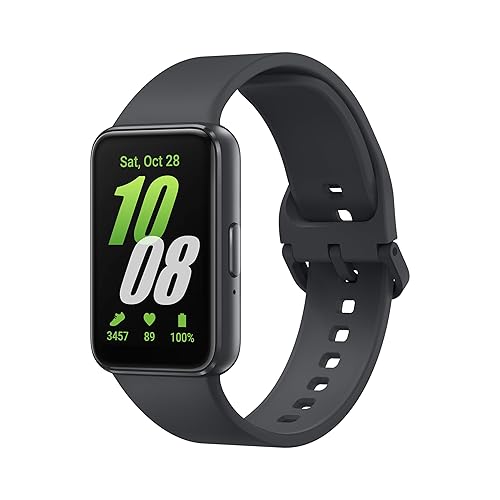
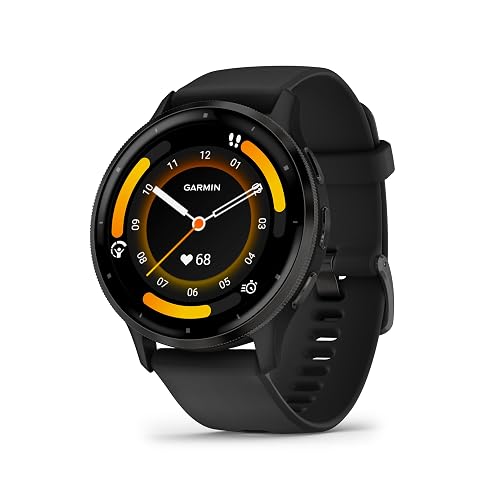
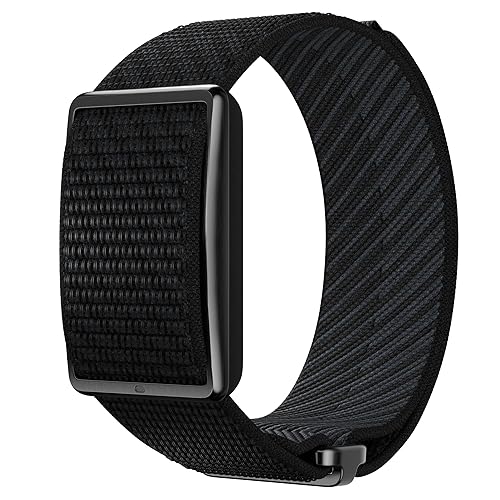
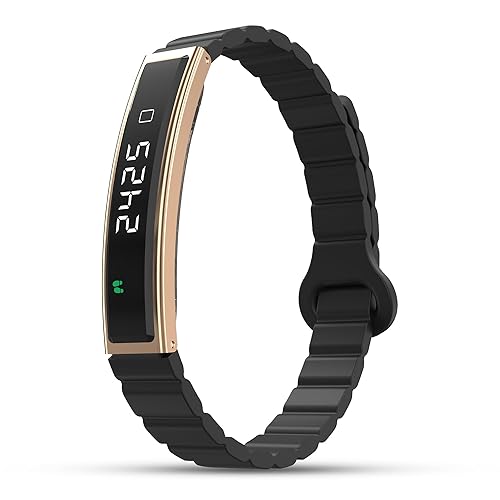
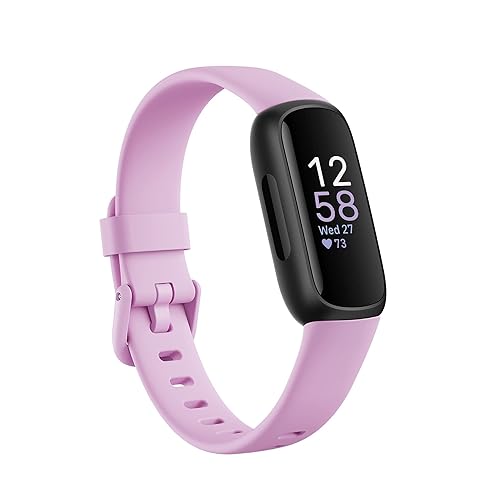
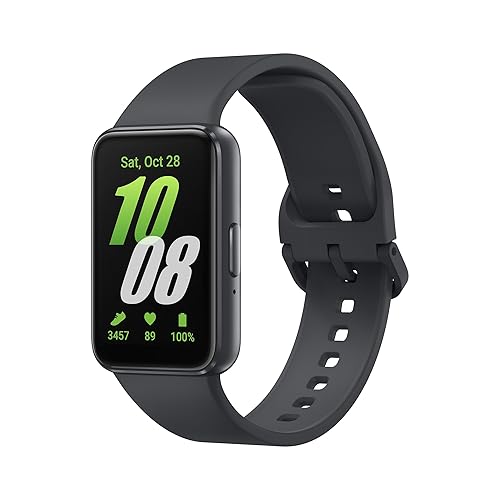
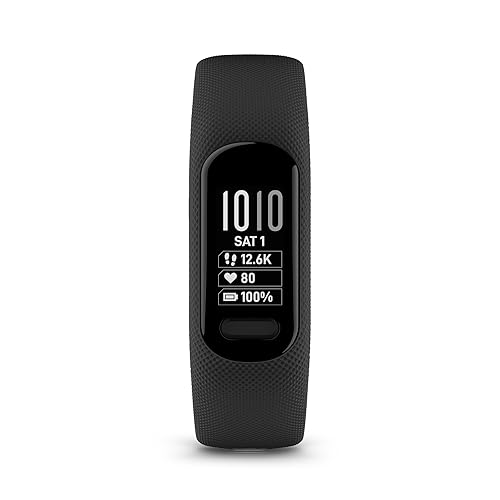
✨ AI Summary
- ✓Mi Band 9 wins on: battery life, step accuracy, value for money under Rs.2,000
- ✓Noise ColorFit Pro wins on: display size and brightness, sport mode count, watch-face variety
- ✓Fitbit Inspire 3 wins on: sleep tracking depth, heart rate zone analysis, long-term data history
- ✓Price reality: Mi Band 9 at ~Rs.1,799, Noise ColorFit Pro at ~Rs.2,199, Fitbit Inspire 3 at ~Rs.6,499
- ✓For most Indian first-time buyers, the Mi Band 9 is the clear choice
- ✓Step up to Fitbit only if sleep quality and heart rate zone data are genuinely important to you
The Price Gap Is Real
Before diving into features, let us be honest about the price gap. The Mi Band 9 and Noise ColorFit Pro sit within Rs.400 of each other, making them genuinely comparable. The Fitbit Inspire 3 costs roughly 3x either of them. That gap needs to deliver 3x the value to make sense — and for most casual users, it probably does not. For people who take sleep and heart rate tracking seriously, it might.
Step Counting: Mi Band Wins Clearly
Step accuracy is the foundation of any fitness tracker, and here Xiaomi has a consistent edge. Third-party testing comparing these three trackers over treadmill walks and outdoor routes shows the Mi Band 9 hovering within 2-5% of actual step counts. The Fitbit Inspire 3 is similarly accurate. The Noise ColorFit Pro shows 8-15% variance in the same tests, which sounds small but adds up over weeks of data.
What this means practically: if you set a 10,000-step daily goal, the Noise tracker might show you hitting the target when you are actually 800-1,000 steps short. Not catastrophic, but worth knowing if accurate habit tracking is the point.
Heart Rate: A Three-Way Tie at Rest, Fitbit Wins in Motion
Resting heart rate accuracy is solid across all three. Wear them during a quiet evening and all three will agree within 2-3 bpm of a reference device. The divergence appears during exercise. At moderate intensity like brisk walking or a light jog, all three remain usable. During high-intensity intervals or strength training with fast movements, the Fitbit Inspire 3 maintains the most consistent readings, the Mi Band 9 is close behind, and the Noise ColorFit Pro drops off.

Affiliate link: we may earn a small commission if you buy through it, at no extra cost to you.
For pure exercise heart rate accuracy, a dedicated chest strap (Polar H10 at Rs.4,000-5,000) beats all three wrist-based trackers by a significant margin. If heart rate zone training is a core goal, invest in a strap rather than paying more for a wristband.
Sleep Tracking: Fitbit Is in a Different League
This is where the Fitbit Inspire 3 justifies its premium. Fitbit's Sleep Score (0-100) combines sleep duration, time awake, and sleep stage percentages into a single intuitive number. It also shows heart rate variation overnight (an indicator of recovery quality) and flags SpO2 drops that could suggest disrupted breathing. The companion app shows weeks of sleep trends in an interface that is genuinely pleasant to use.
The Mi Band 9 gives you a breakdown of light, deep, and REM sleep with a score, and the data is directionally accurate. The Noise ColorFit Pro shows similar stages but its algorithm feels less polished — you will occasionally see unrealistic sleep stage distributions that suggest the tracker misidentified lying awake as light sleep.
Display: Noise Wins on Screen Experience
In terms of pure screen real estate and brightness, the Noise ColorFit Pro is the best of these three. Its 1.8-inch display is noticeably larger and more vibrant than the Mi Band 9's 1.62-inch panel. In direct sunlight readability tests, Noise and Mi Band are close, with both being more visible than the Fitbit Inspire 3's narrower display.
The Mi Band 9's AMOLED display punches well above its price. Text is crisp, colours are accurate, and the always-on display mode looks premium. Where it loses to the Noise is simply size — it is a band form factor, while Noise feels closer to a proper smartwatch face.
Battery Life: Mi Band Dominates
Xiaomi advertises 21 days for the Mi Band 9 under typical use. Real-world testing with continuous heart rate monitoring and a few notifications per day lands around 14-16 days. That is remarkable.
Noise claims 7 days for the ColorFit Pro series. Typical real-world usage gets you 5-6 days, which is still perfectly fine. Fitbit Inspire 3 advertises 10 days and delivers about 7-8 in practice with automatic sleep tracking on.
- Mi Band 9: ~14-16 days real-world (advertised: 21 days)
- Noise ColorFit Pro: ~5-6 days real-world (advertised: 7 days)
- Fitbit Inspire 3: ~7-8 days real-world (advertised: 10 days)
Companion Apps
Xiaomi's Mi Fitness app has been redesigned significantly. It now includes monthly health reports, personalised insights, and clean historical data charting. The Indian team has added Hindi support and HealthifyMe integration. It is genuinely good.
Fitbit's app is the established benchmark. Years of data history, clear heart rate zone breakdowns, Active Zone Minutes tracking, and the best sleep analysis interface available in this segment. If you switch from Fitbit to any other brand, the app quality is what you will miss most.
Noise Health is improving but still lacks depth. The workout data is surface-level, the historical charts are limited to 7 days in most views, and the insights are generic. It does the job without doing it particularly well.
The Verdict: Who Should Buy Each
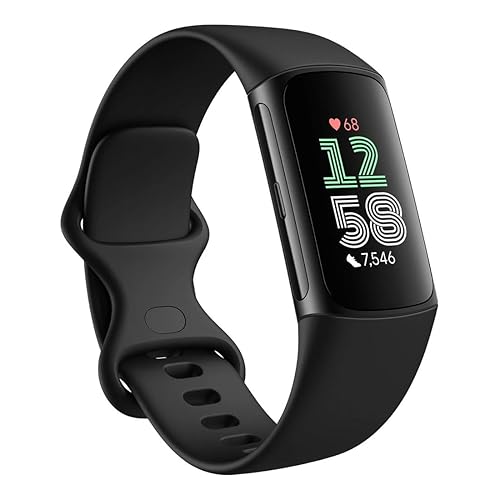 Buy the Mi Band 9 if:Shop →
- Your budget is under Rs.2,000
- Battery life is a top priority
- You want reliable step and basic heart rate data
- You care about app quality relative to the price paid
Buy the Noise ColorFit Pro if:Shop →- You want a visually impressive display at a band price point
- You value watch-face customisation and having 100+ sport modes to scroll through
- Exact data accuracy is secondary to overall experience
Buy the Fitbit Inspire 3 if:
- Sleep quality tracking is a genuine priority for you
- You want heart rate zone data during cardio workouts
- You are willing to pay Rs.6,000+ for a genuinely better data platform
- You expect to keep the device for 2+ years and want a stable, well-supported ecosystem
If you are a first-time fitness tracker buyer and not sure which metrics matter to you yet, start with the Mi Band 9. After 2-3 months you will know whether you want deeper sleep data (upgrade to Fitbit) or a bigger display (try Noise next). Starting at Rs.1,800 is a much lower-risk way to learn your preferences.
Compare all fitness trackers available on Amazon India at WheySearch — including the Mi Band 9, Noise ColorFit Pro, and Fitbit Inspire 3 with live pricing.