Loading...
Loading...
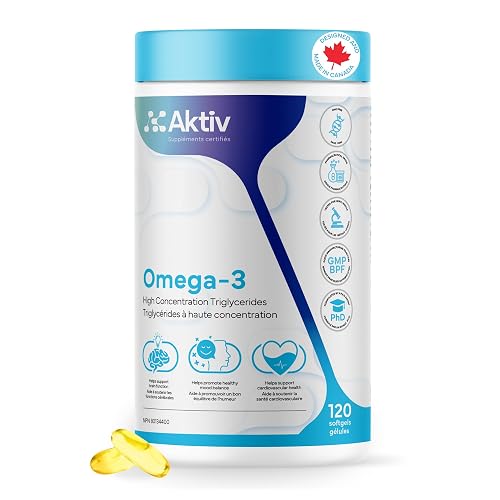
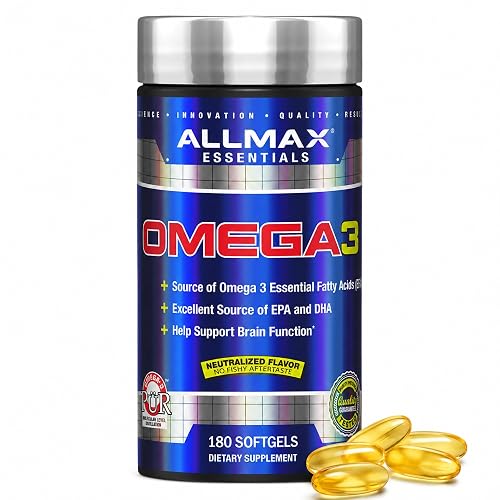
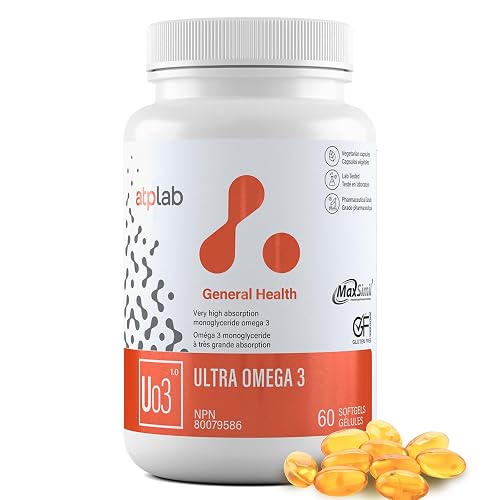
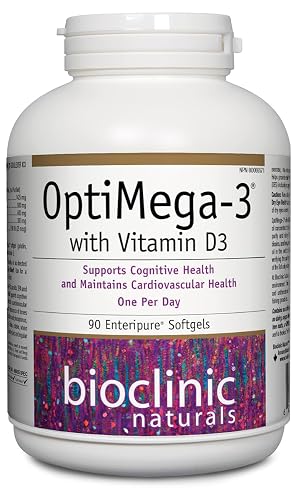
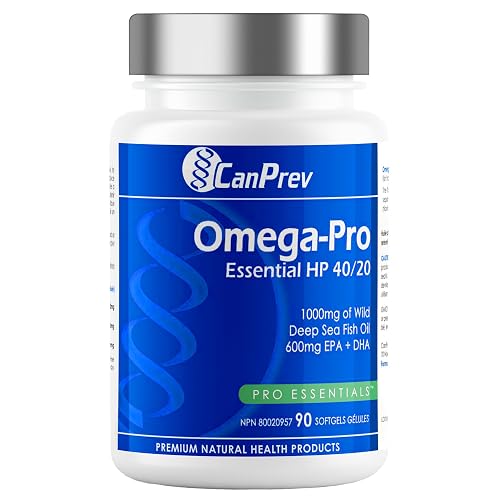
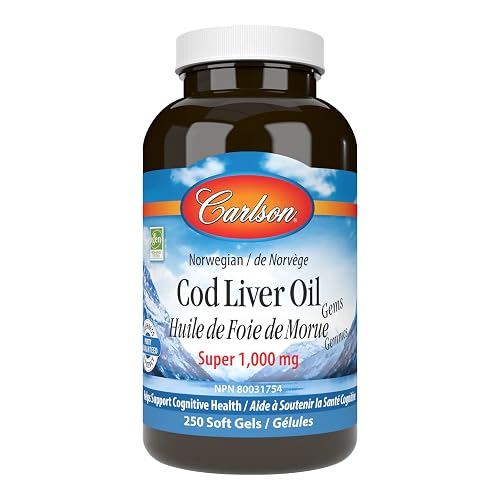
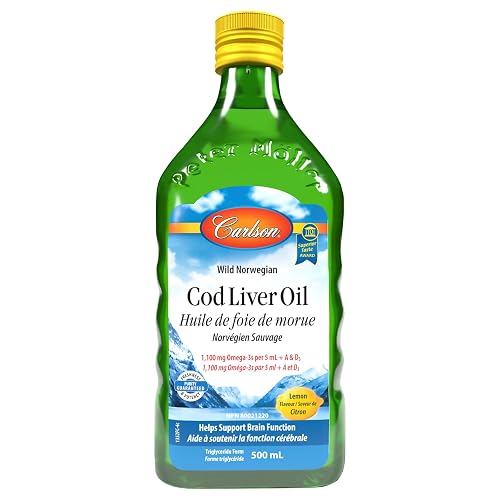
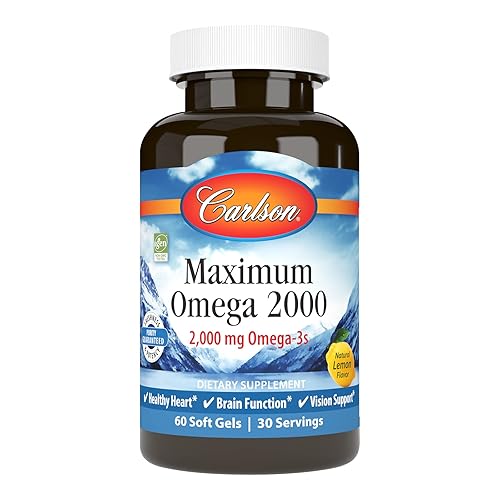
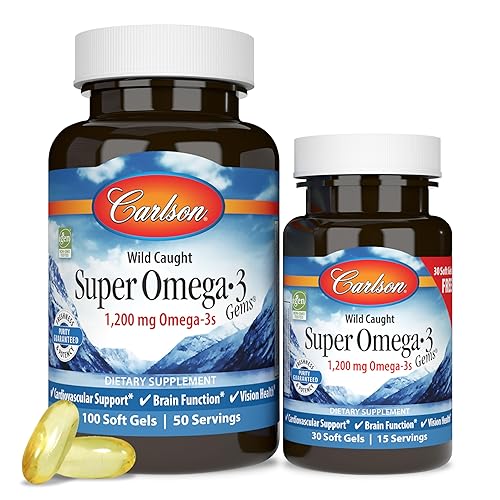
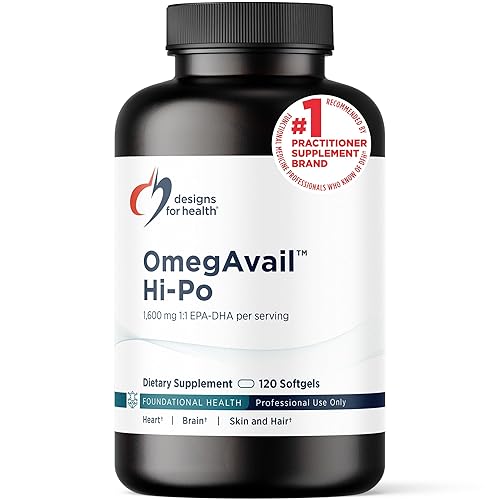
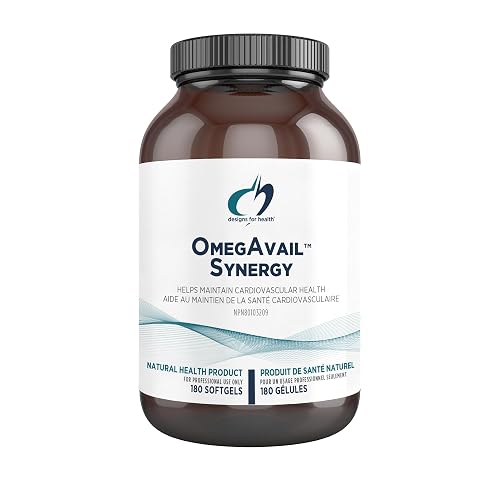
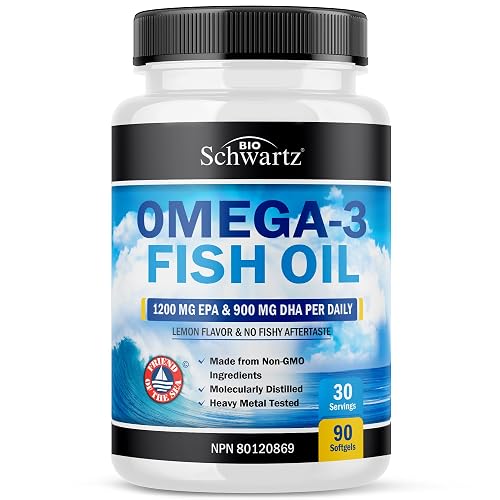
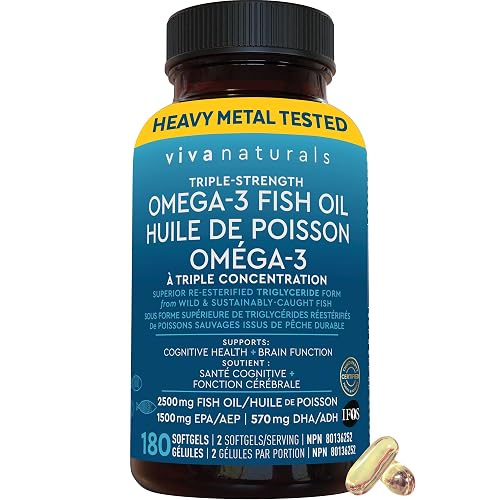
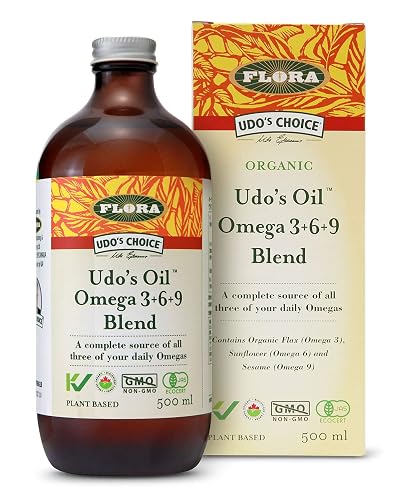
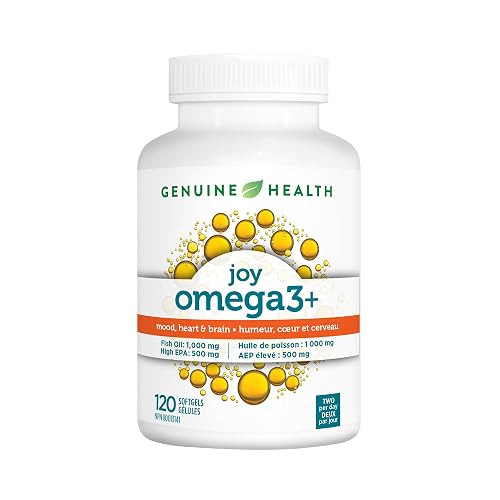
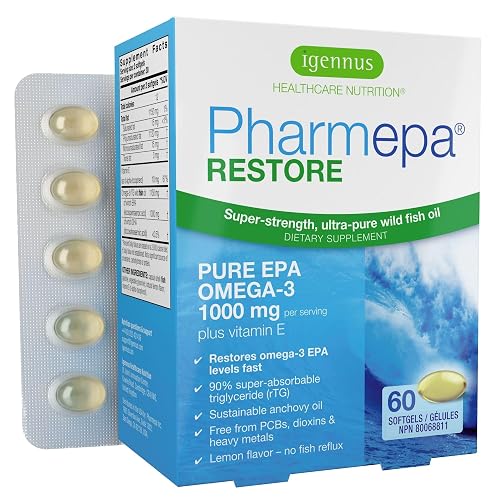
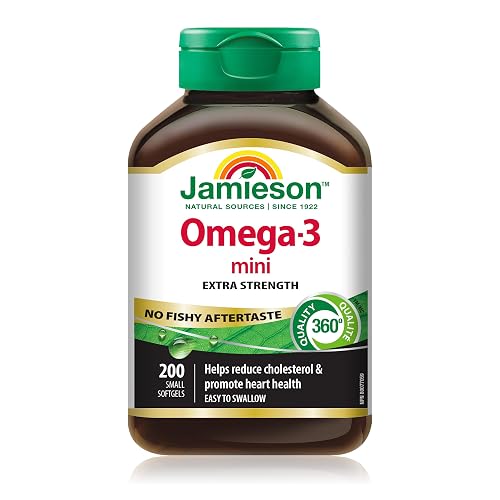
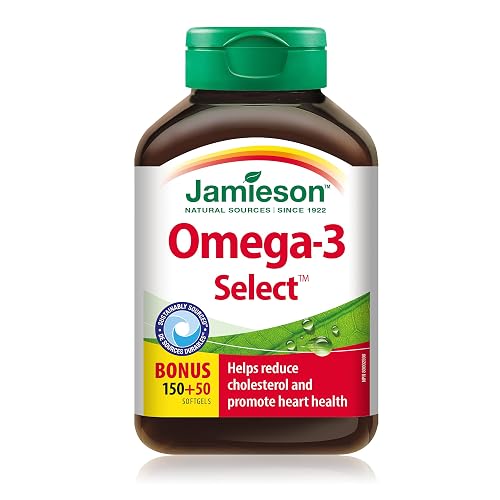
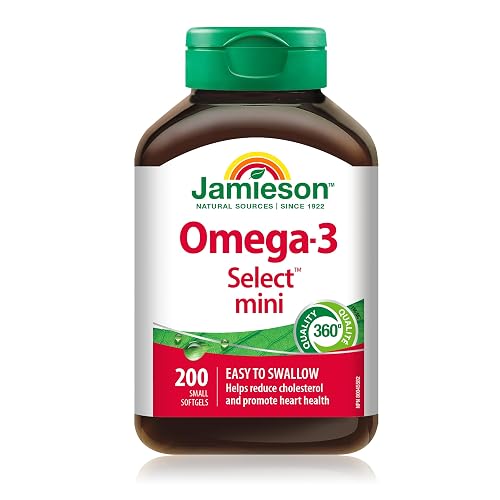
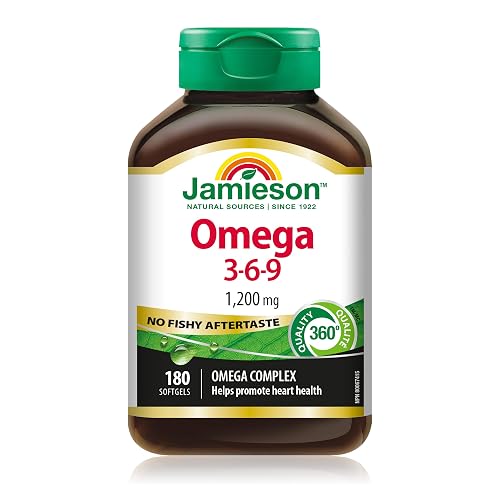
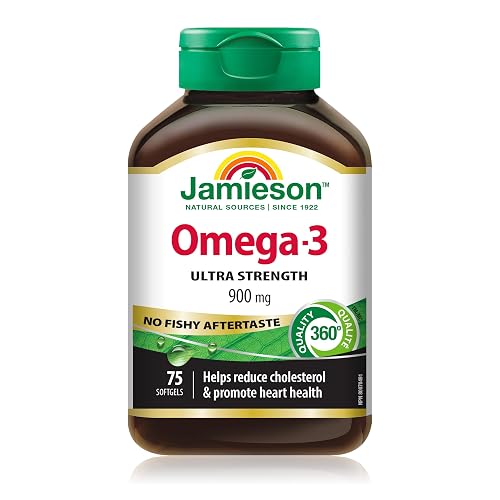
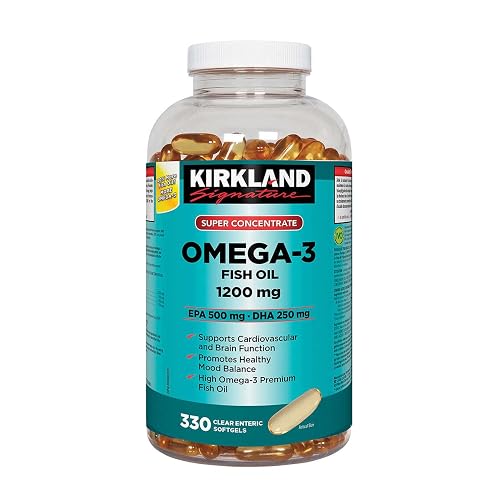
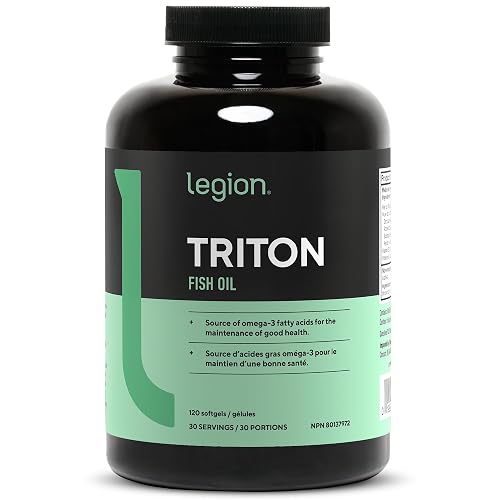
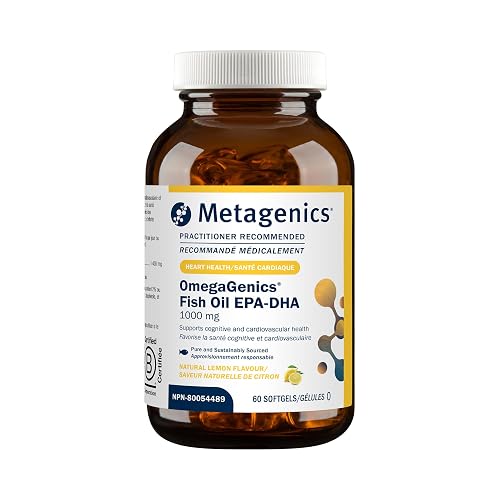
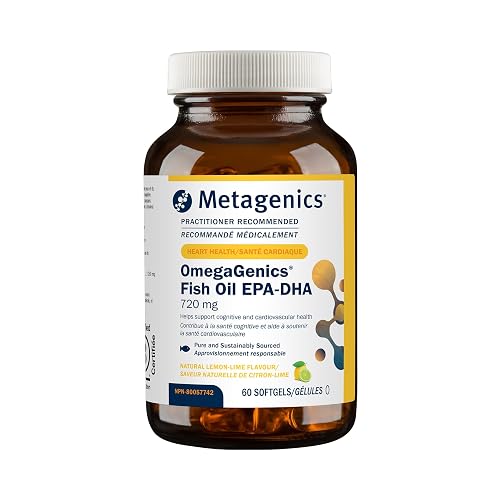
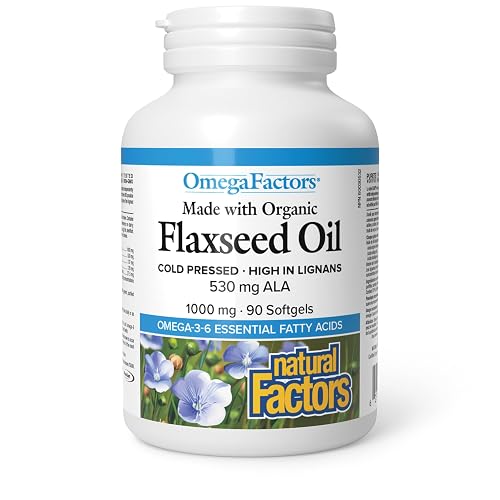
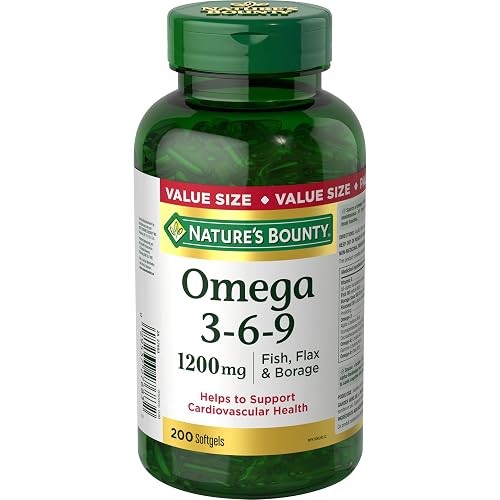
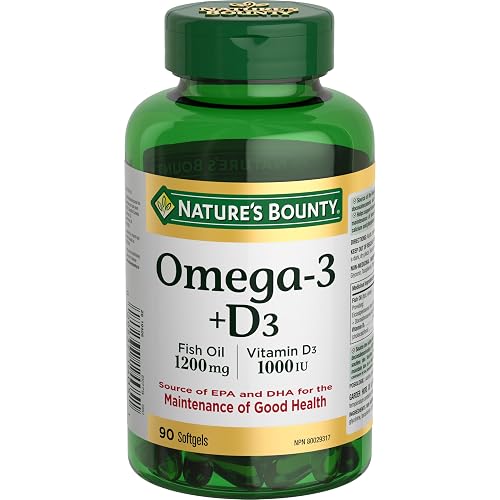
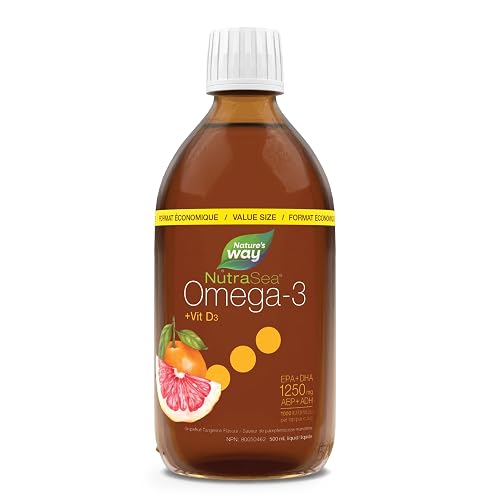
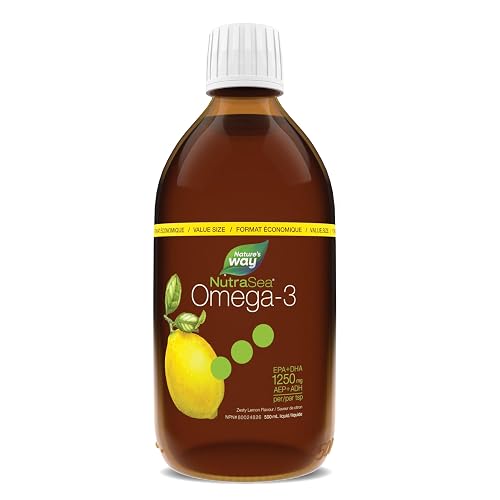
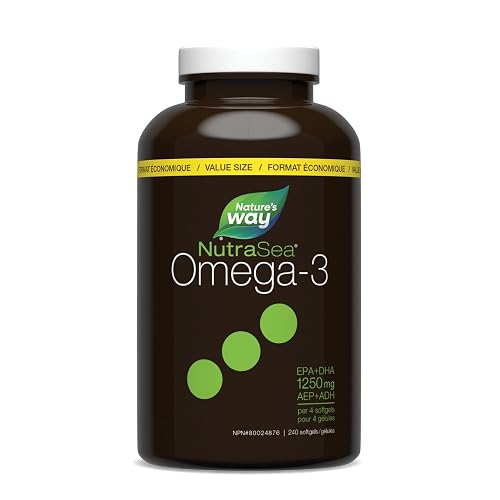
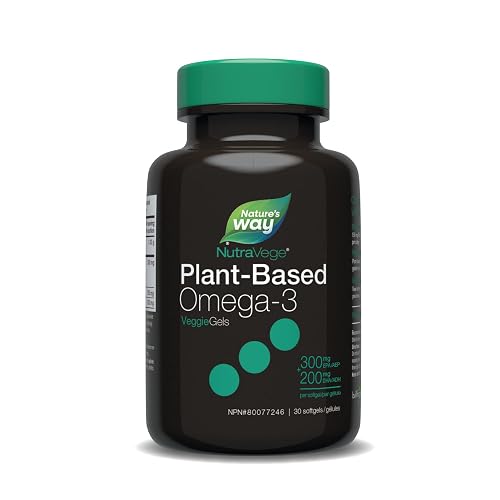
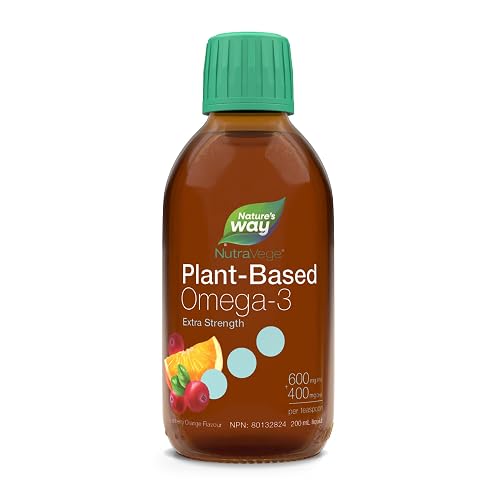
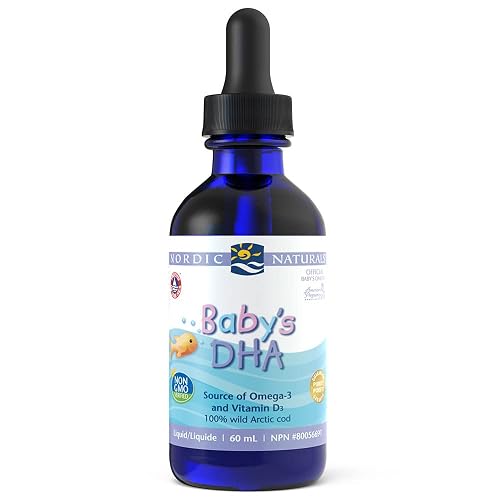
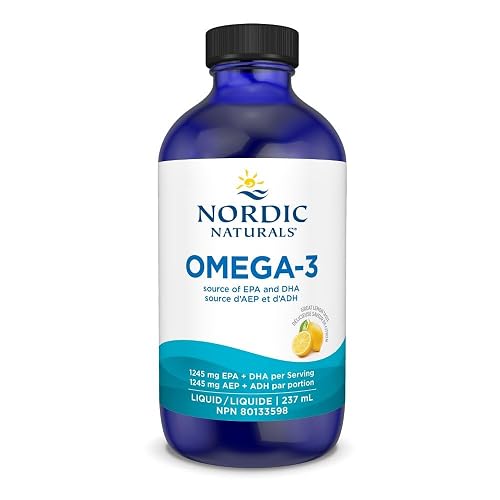
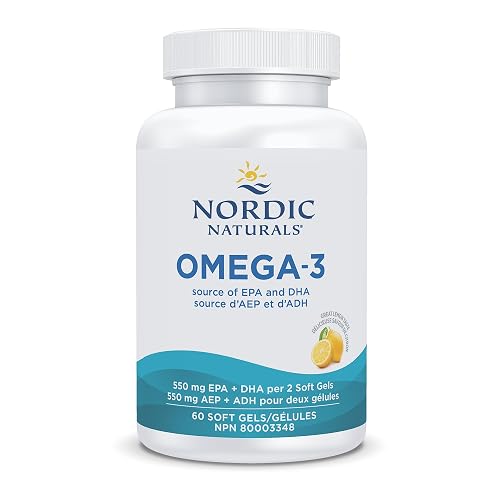
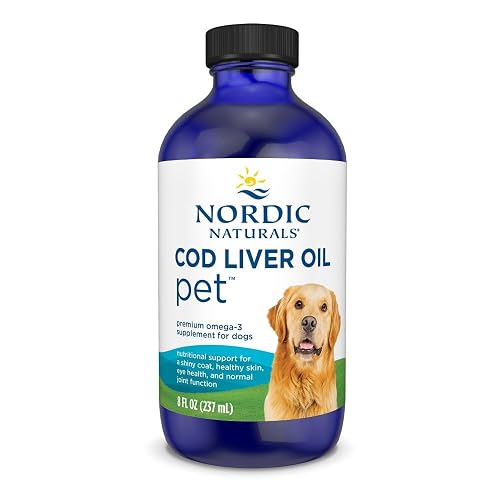
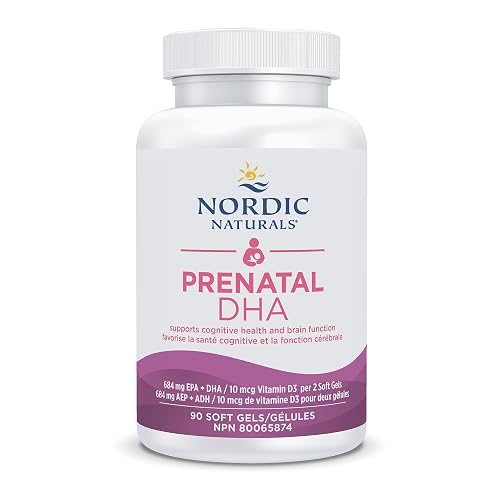
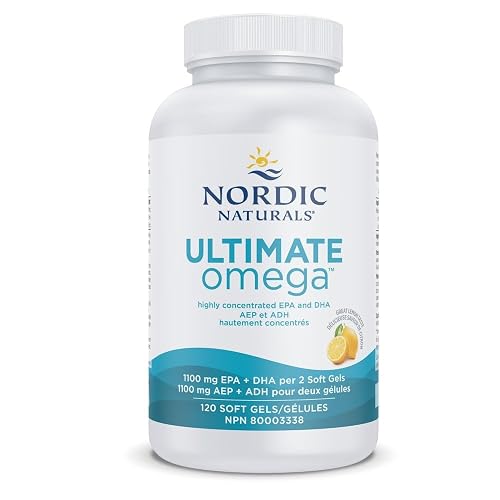
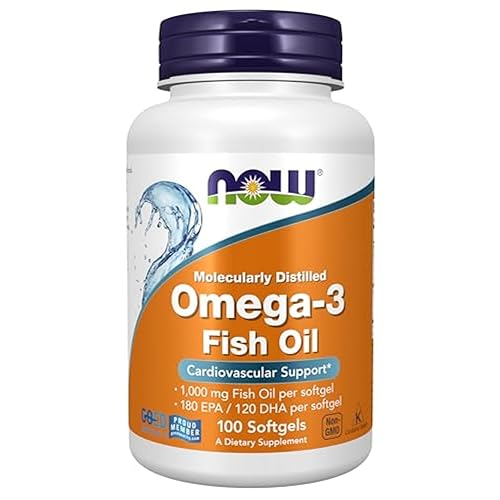
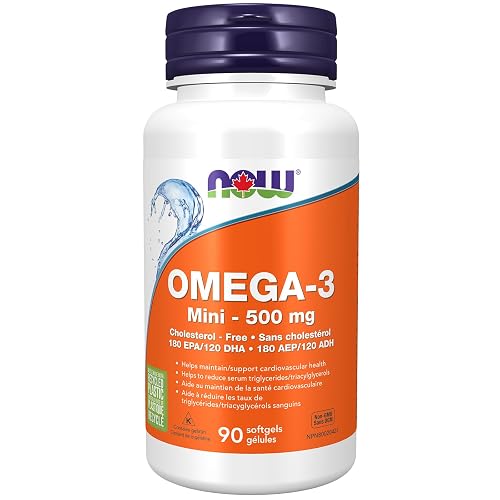
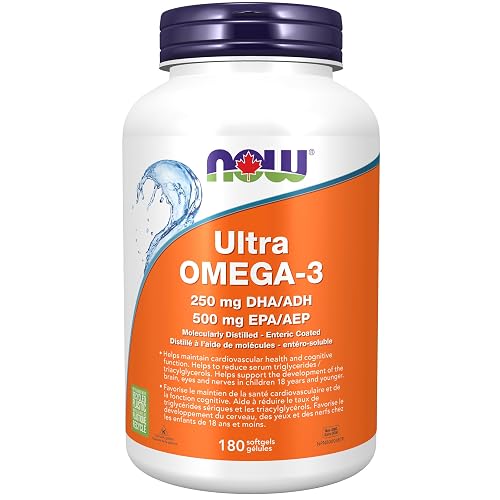
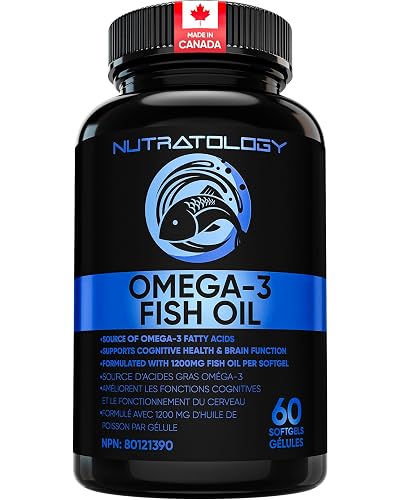
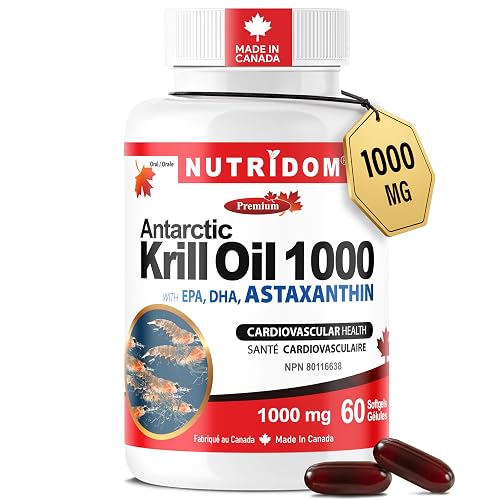
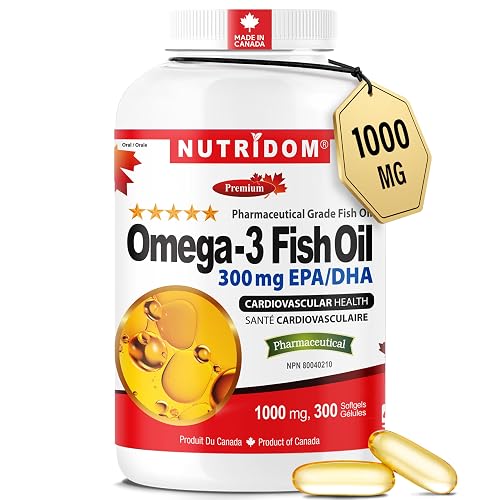
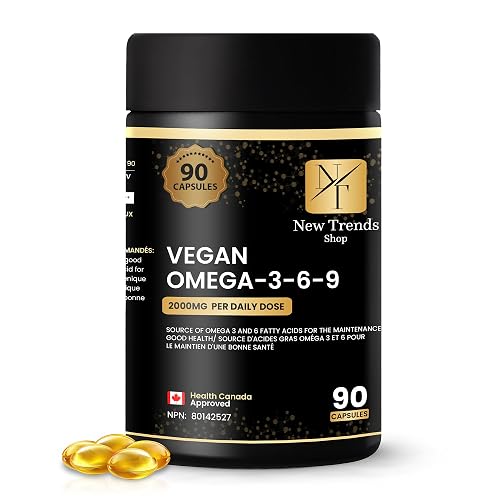
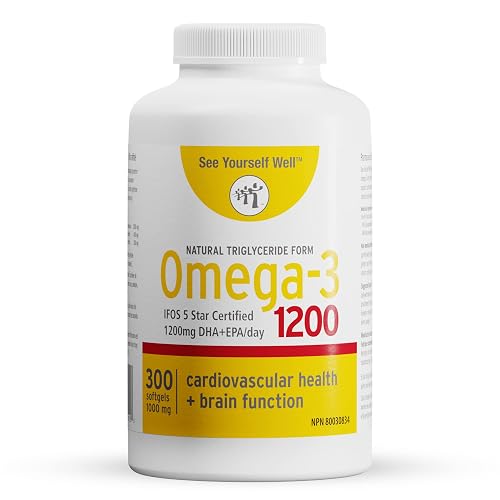
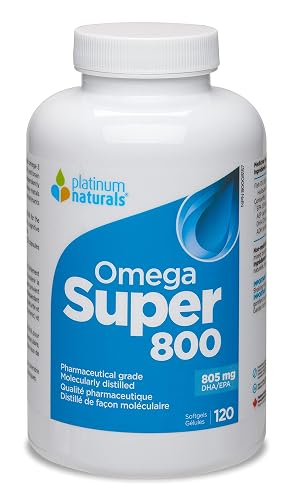
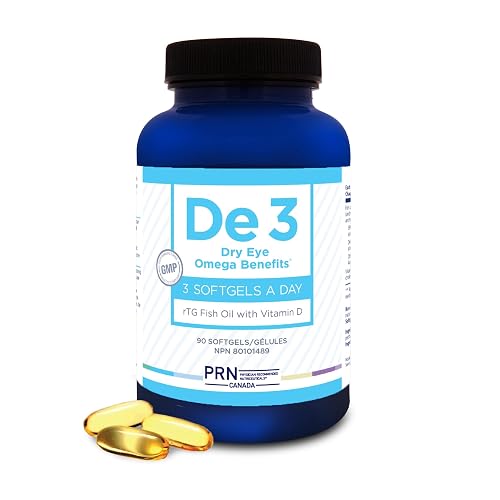
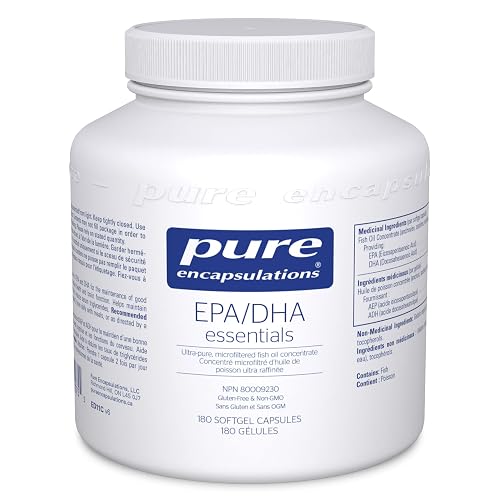
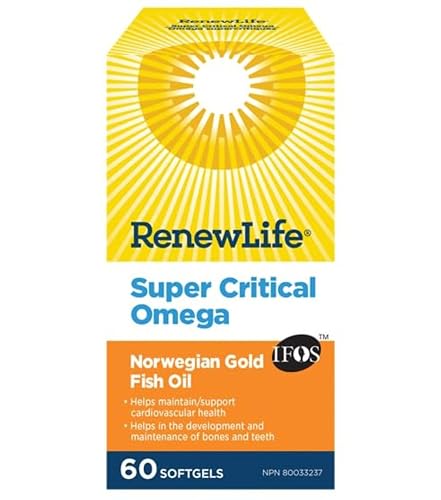
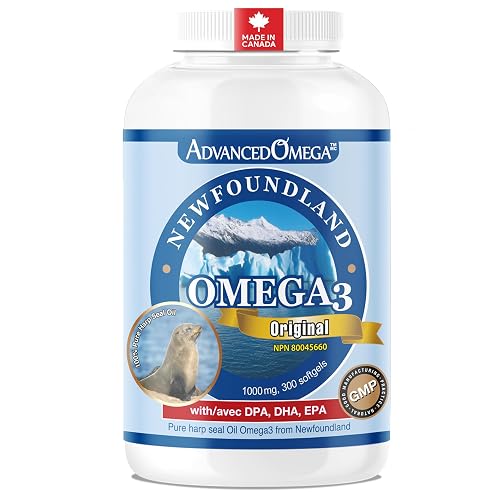
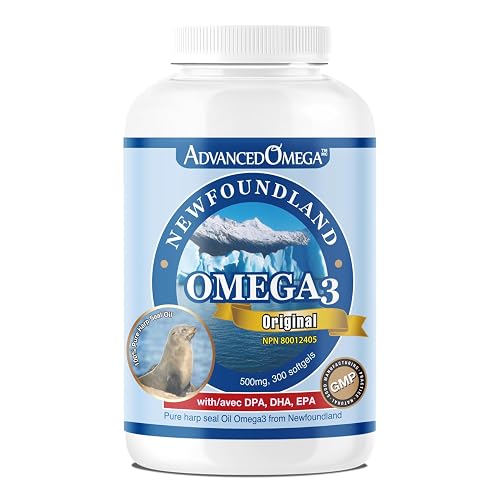
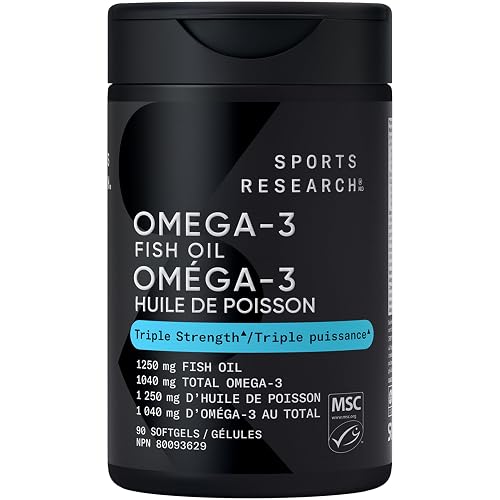
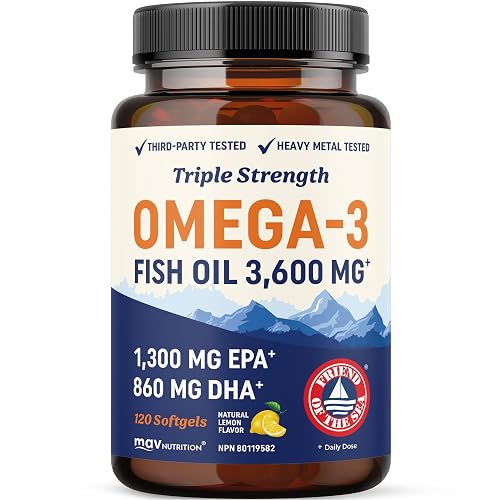
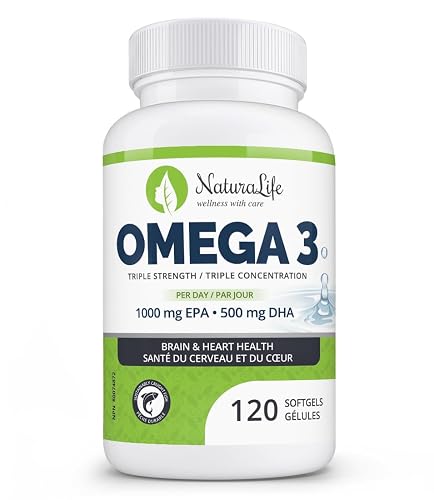
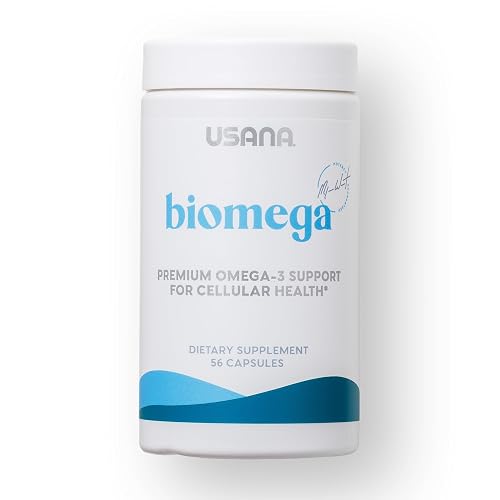
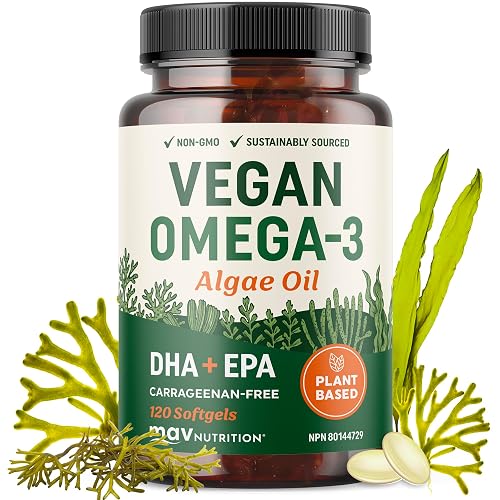
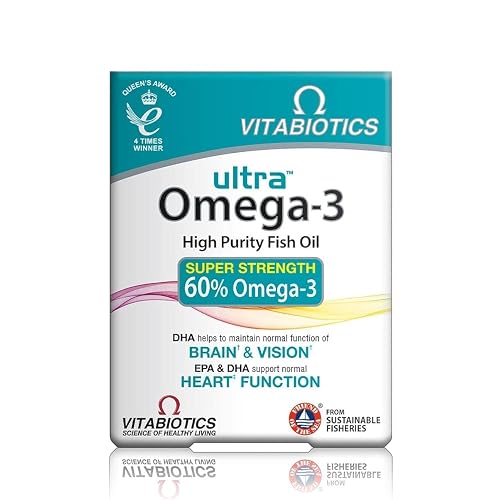
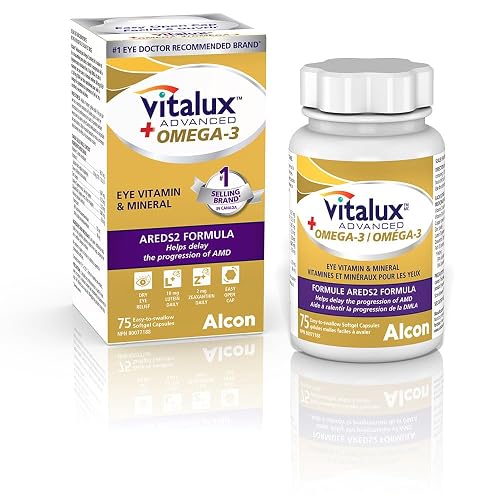
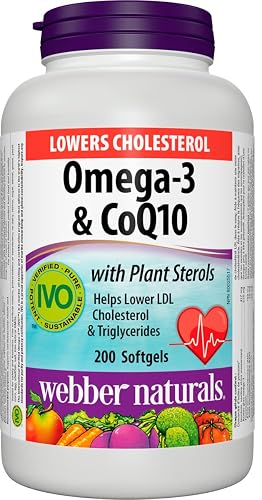
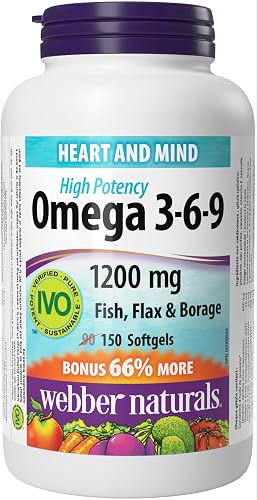
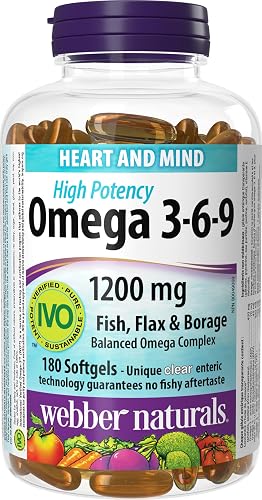
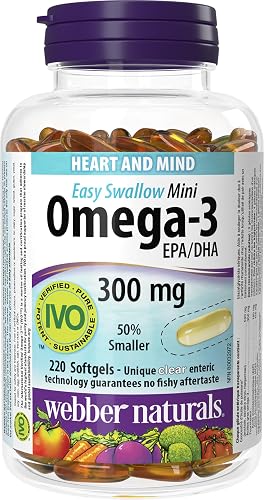
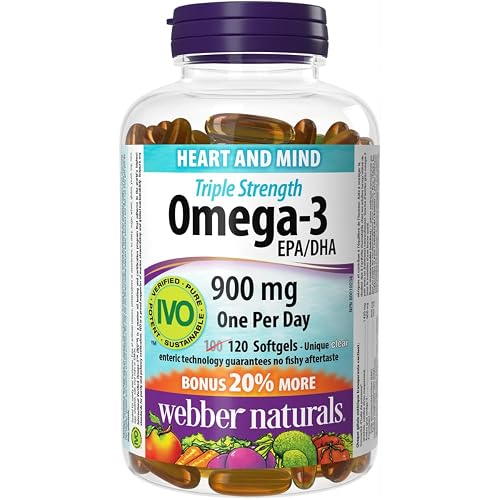
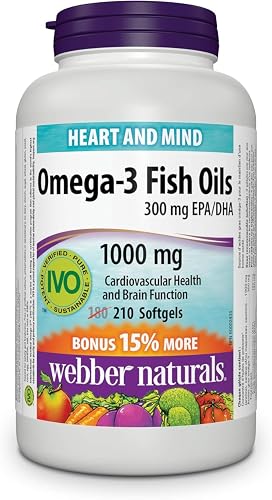
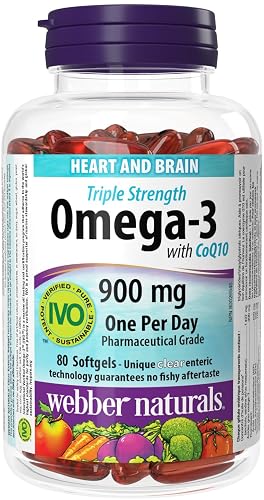
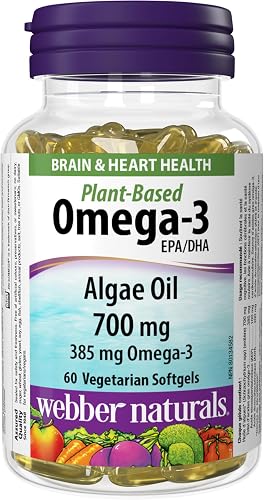
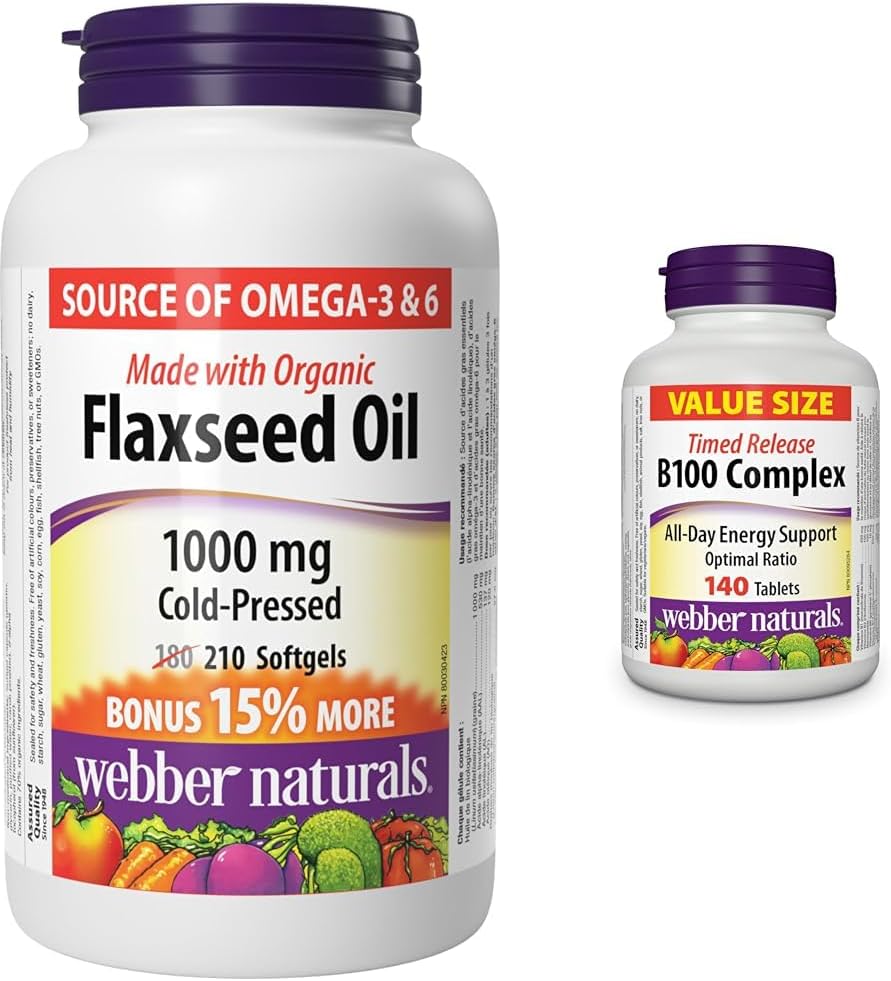
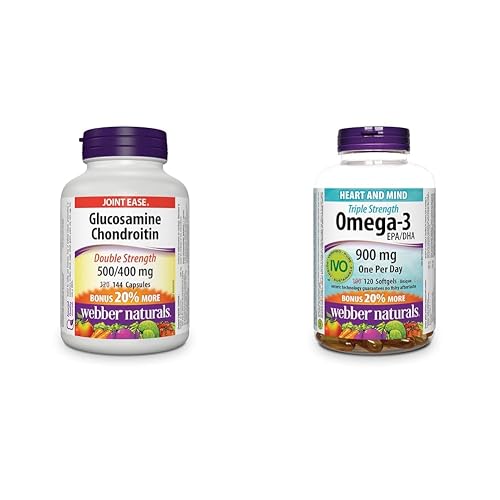
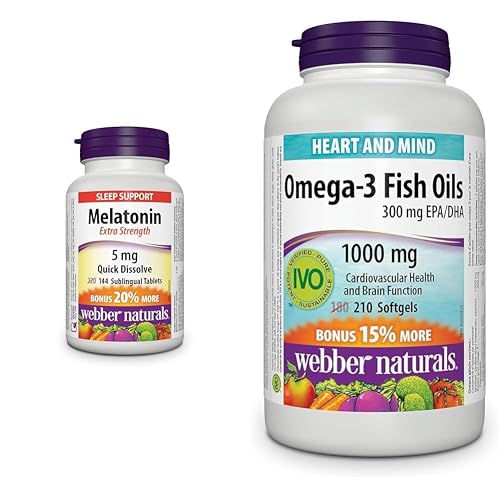
Fish oil and algae-based Omega-3 supplements on Amazon.ca. Ranked by EPA+DHA content per capsule and price-per-serving. 6 of 89 are independently lab-tested.
Want filters, sorting & every variant? Browse the full Omega-3 catalogue →
Sorted by price - Fish oil and algae-based options - Prices from Amazon.ca
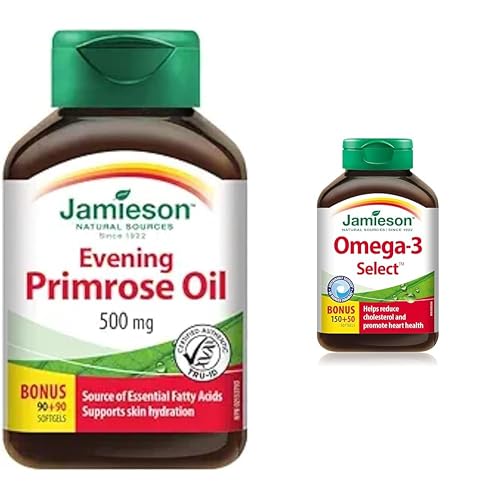
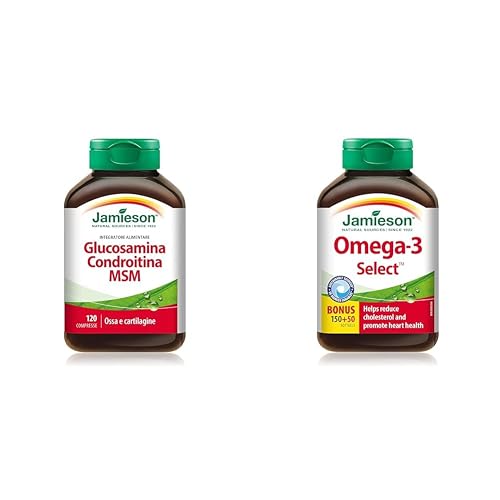
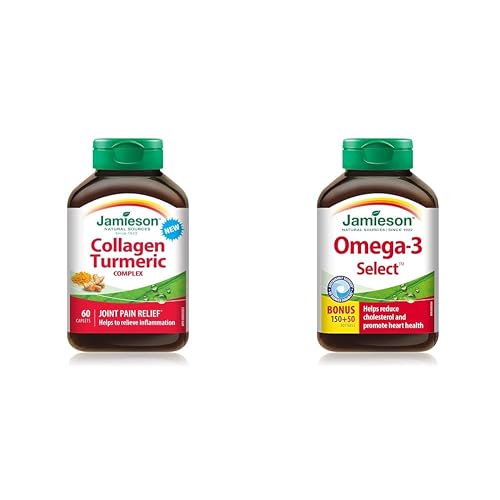
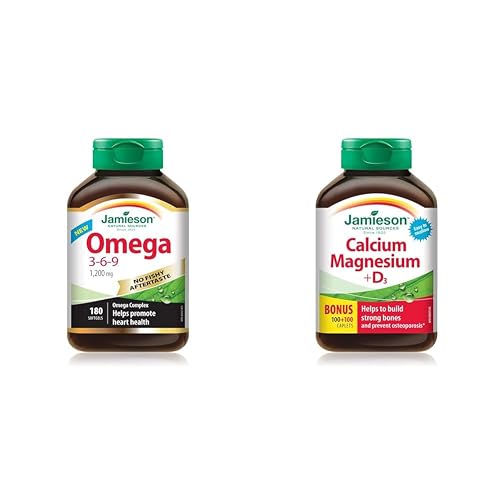
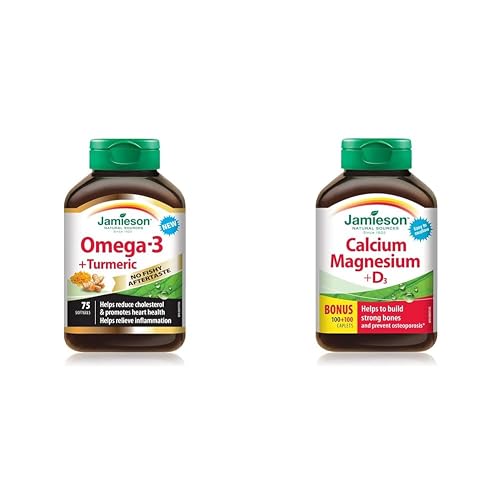
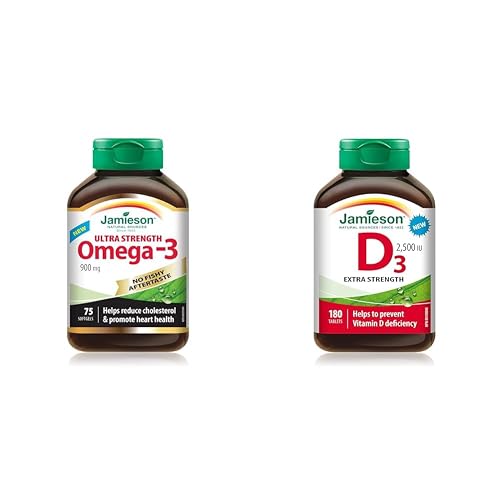
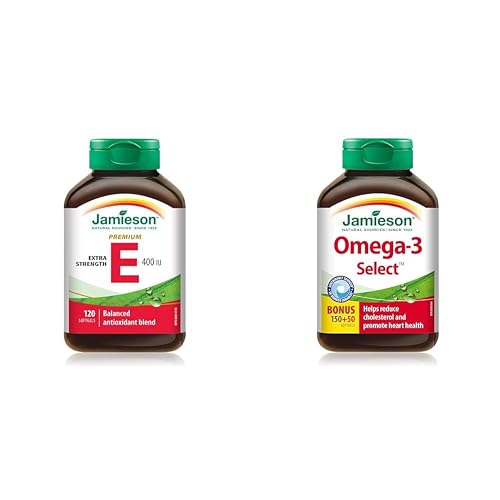
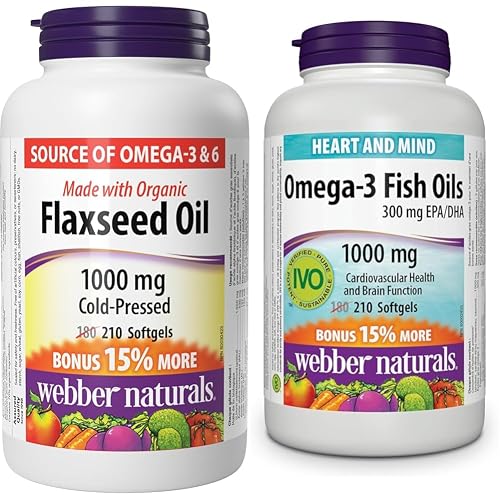
Why do I need Omega-3 as a gym-goer?
Omega-3 fatty acids (EPA and DHA) reduce exercise-induced inflammation, support joint health, and improve recovery between sessions. They also support heart health and brain function. For athletes training 4-6 days per week, Omega-3 helps sustain higher training frequency without chronic joint soreness.
How much EPA and DHA should I take daily?
Aim for at least 500mg combined EPA+DHA daily for general health. For anti-inflammatory benefits (joint health, recovery), 1000-2000mg combined EPA+DHA is the research-backed range. This typically means 2-3 standard fish oil softgels per day.
Is there a vegetarian alternative to fish oil?
Yes - algae-based Omega-3 supplements provide DHA (and sometimes EPA) without fish. Algae is actually the original source of Omega-3 in the food chain, and algae-based options are widely available.
When should I take Omega-3?
Always take Omega-3 with your fattiest meal of the day. Fat-soluble supplements absorb significantly better when consumed alongside dietary fat. This also reduces the chance of fishy aftertaste or burps.
Does Omega-3 help with fat loss?
Omega-3 is not a direct fat burner, but it supports fat loss indirectly by reducing inflammation, improving insulin sensitivity, and supporting metabolic health. It is a foundation supplement, not a weight loss shortcut.
What is the difference between fish oil and Omega-3?
Fish oil is the carrier oil extracted from fish, while Omega-3 (EPA and DHA) are the active beneficial fatty acids within that oil. A 1000mg fish oil capsule typically contains only 300-600mg of actual Omega-3. Always check the EPA+DHA content, not just the fish oil amount.