Loading...
Loading...
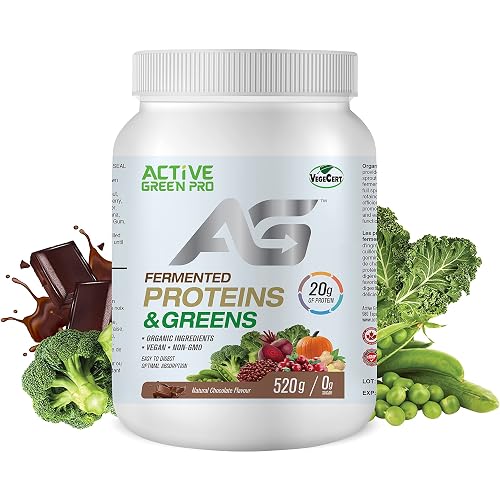
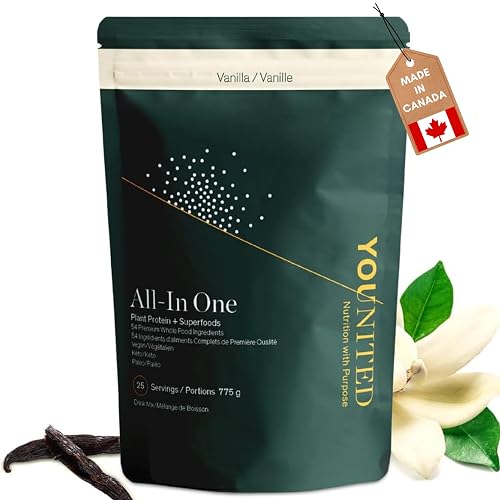
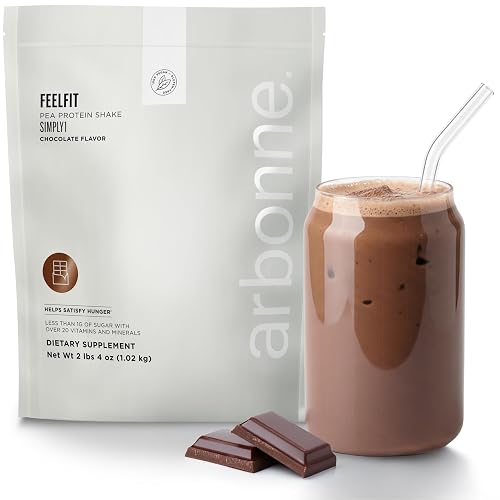
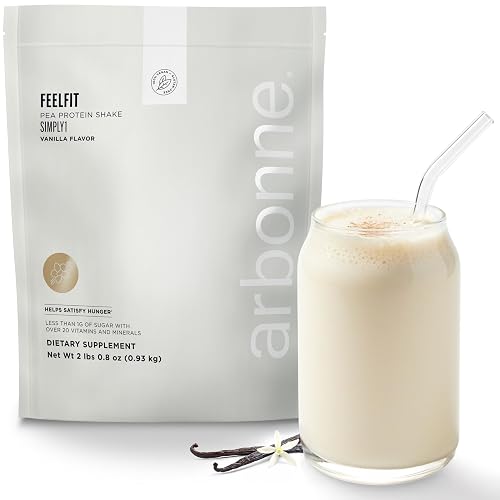
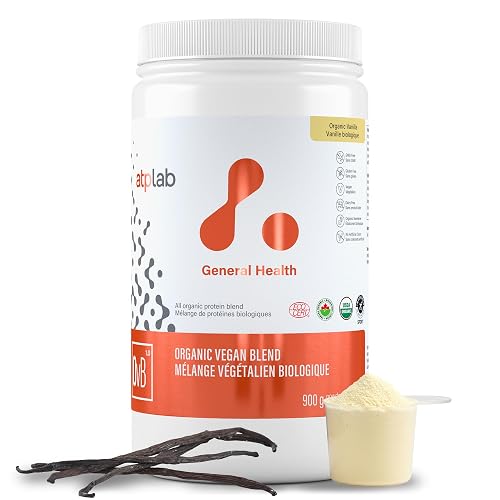
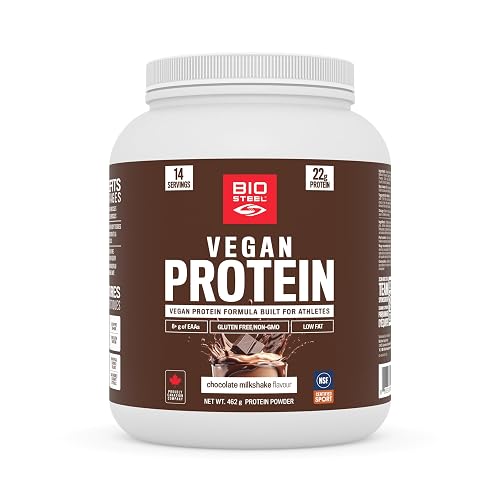
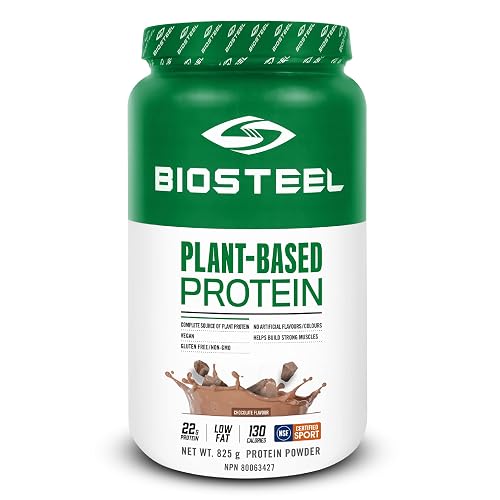
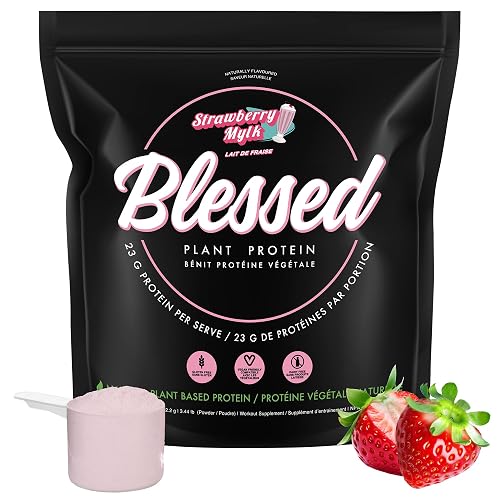
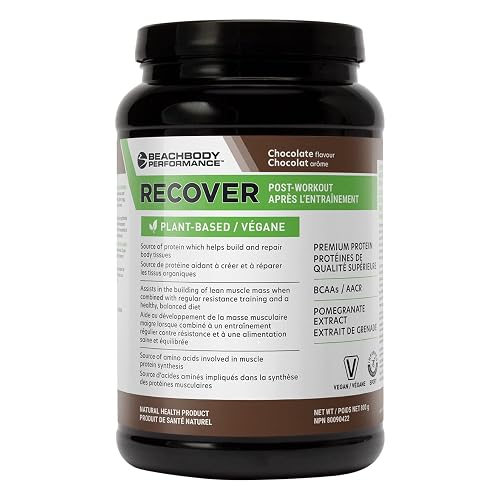
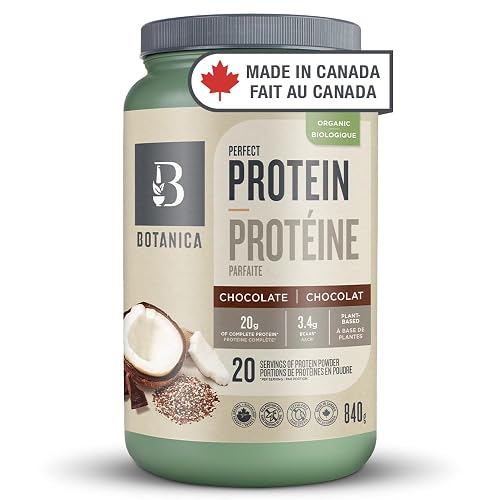
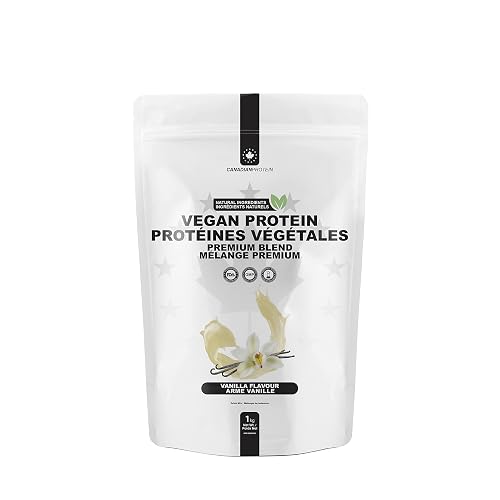
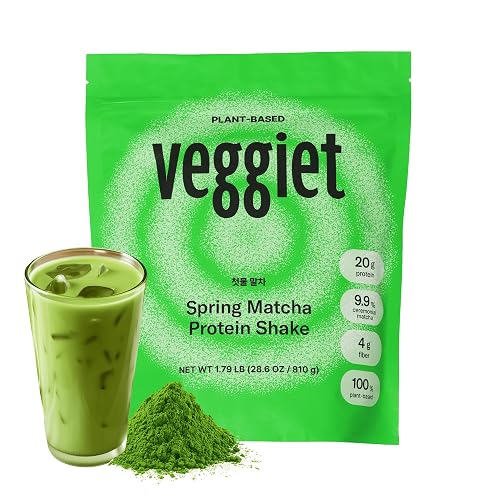
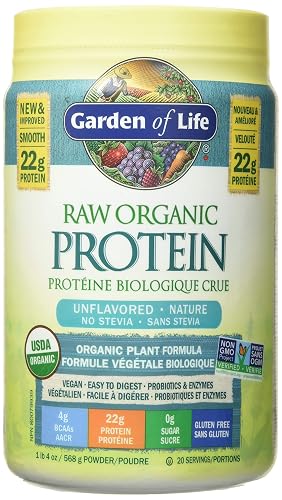
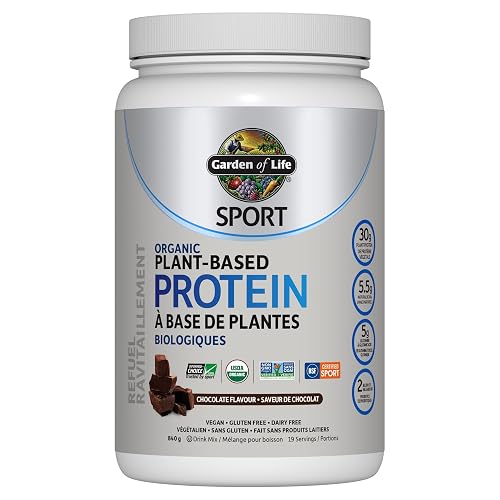
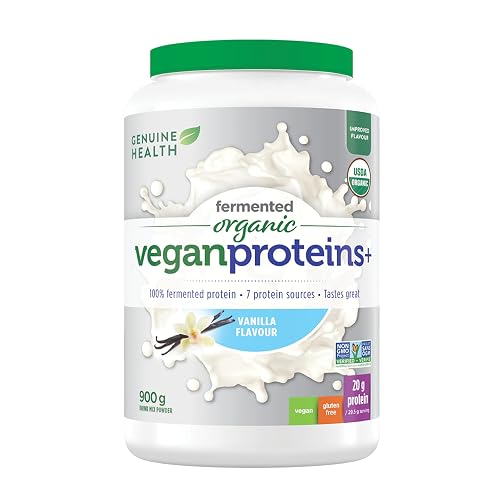
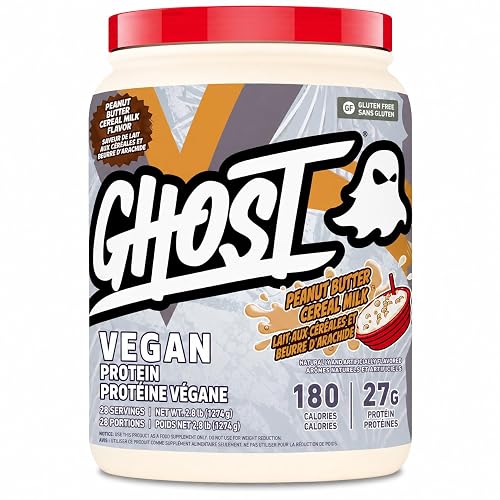
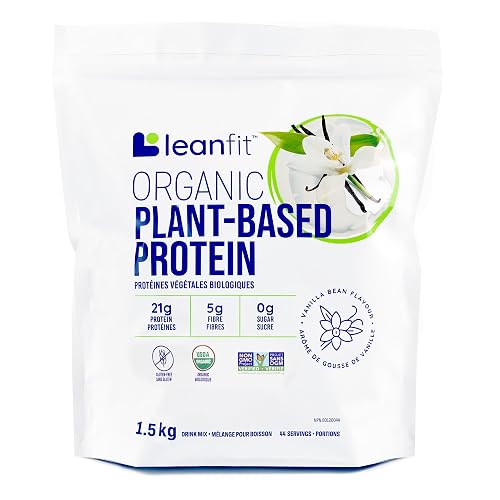
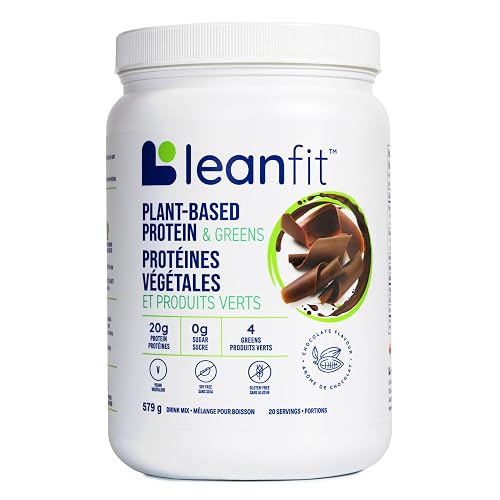
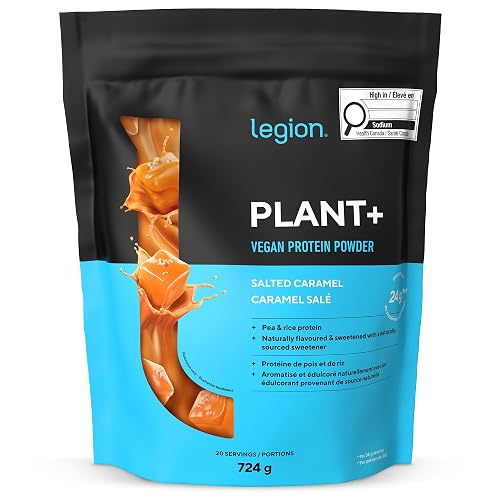
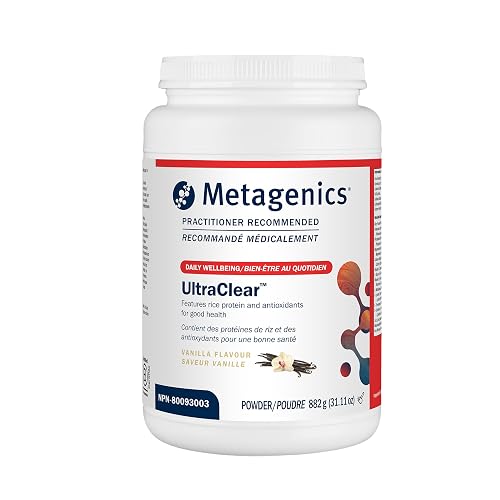
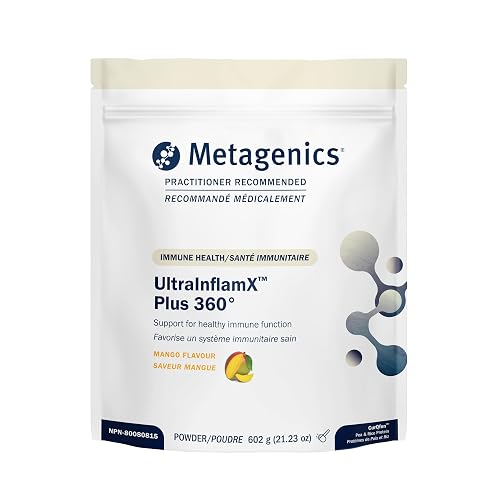
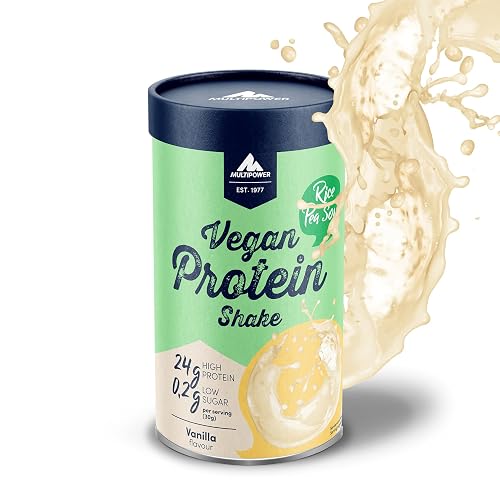
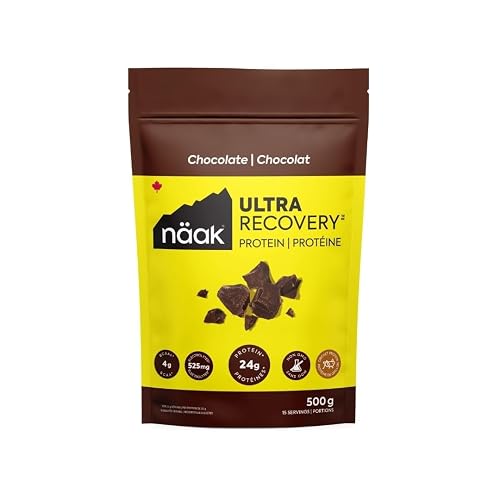
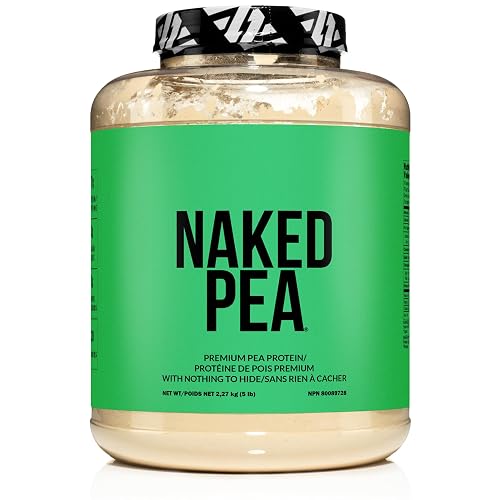
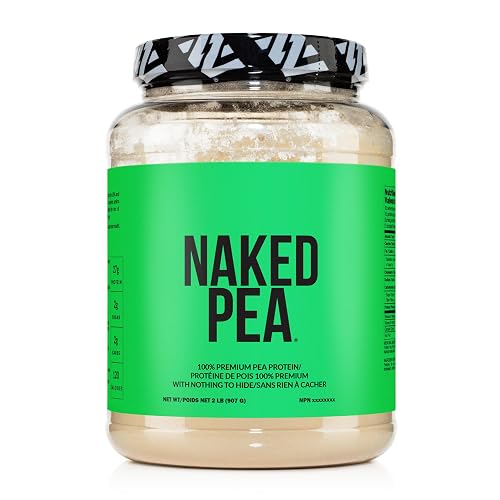
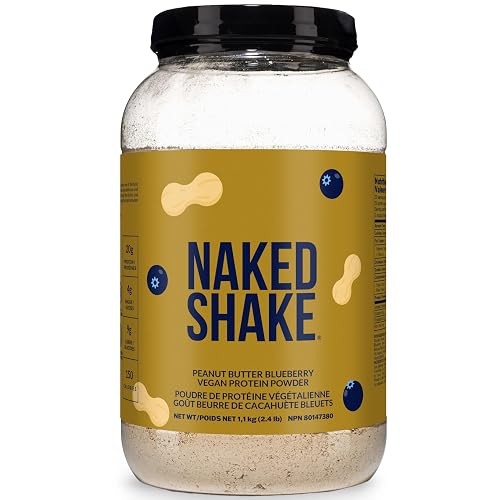
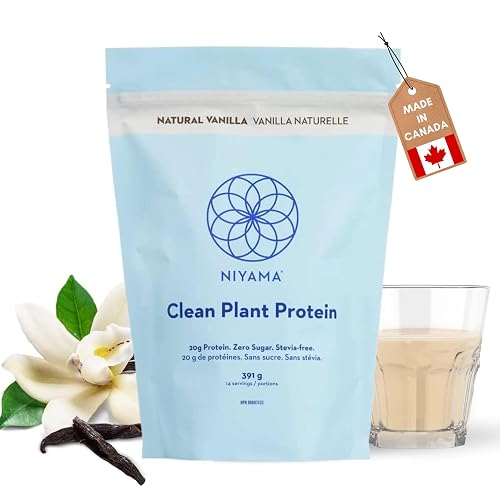
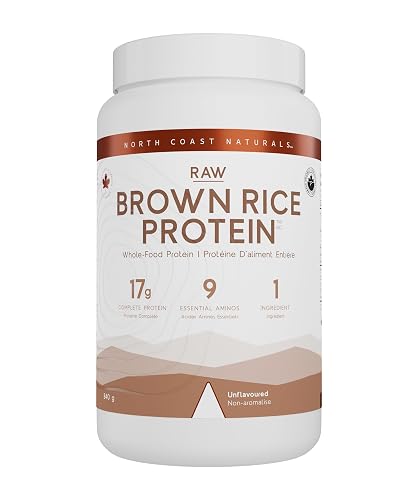
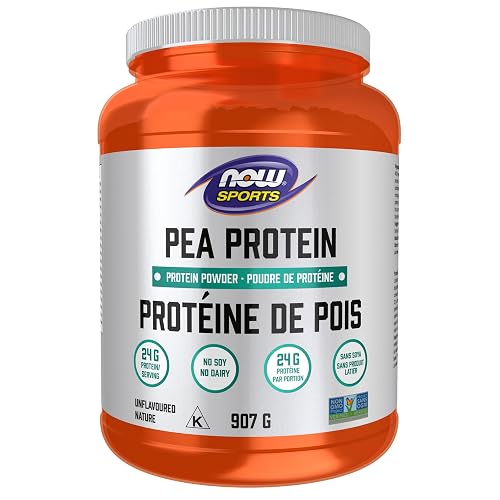
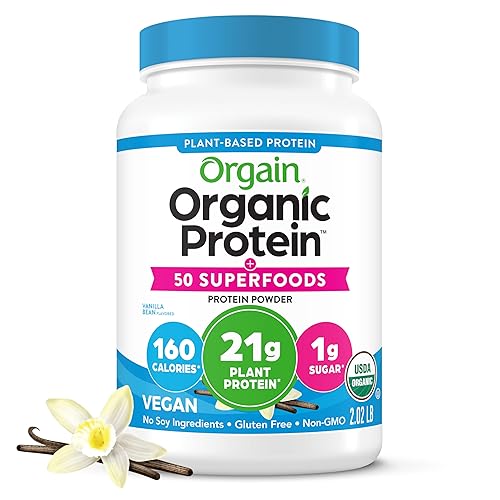
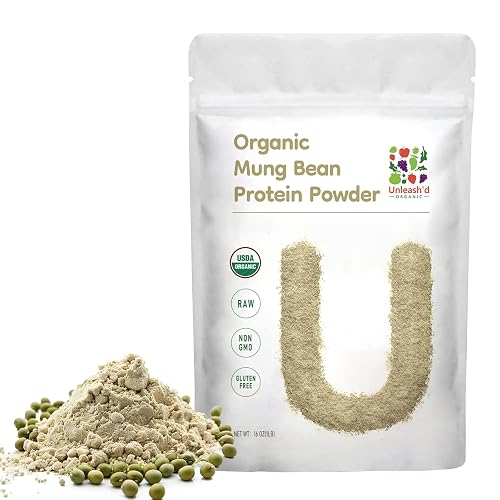
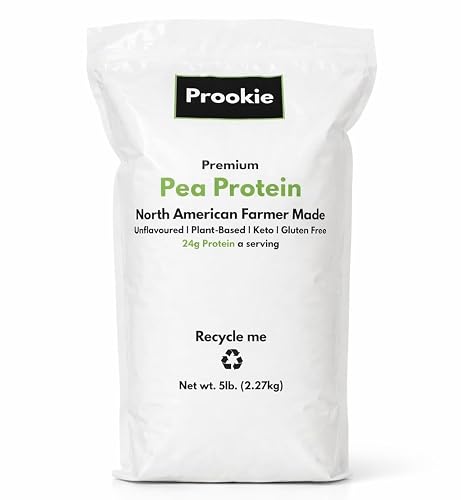
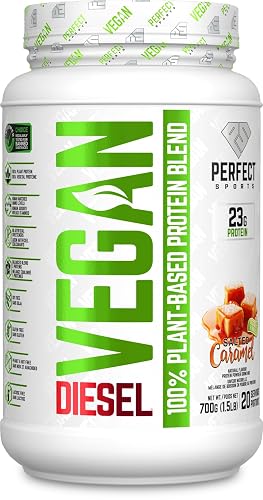
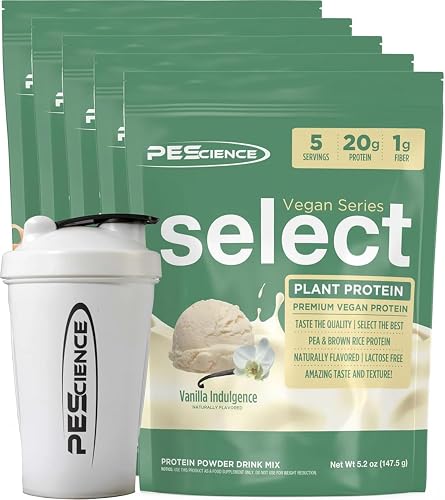
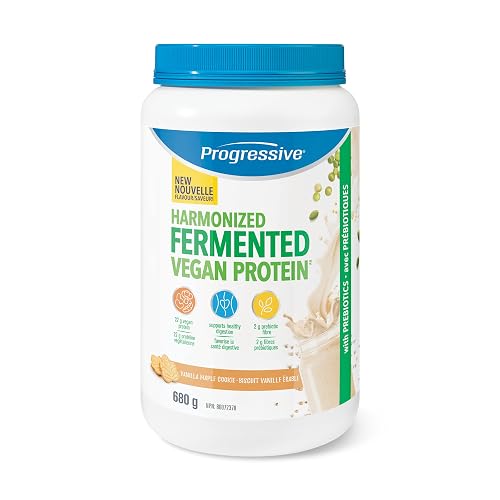
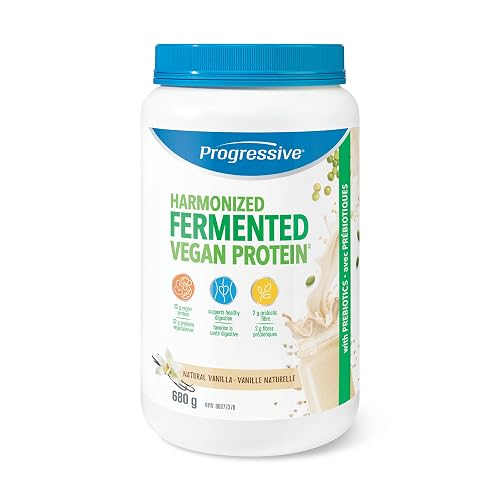
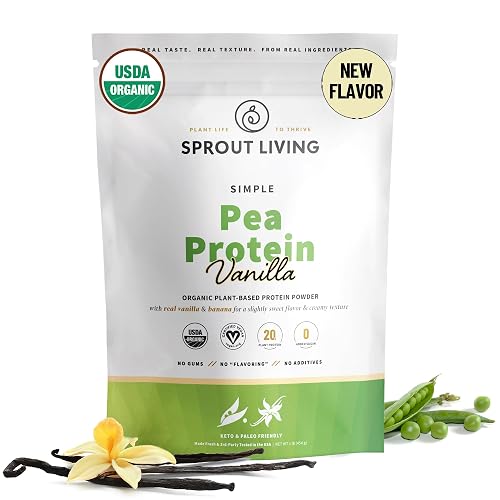
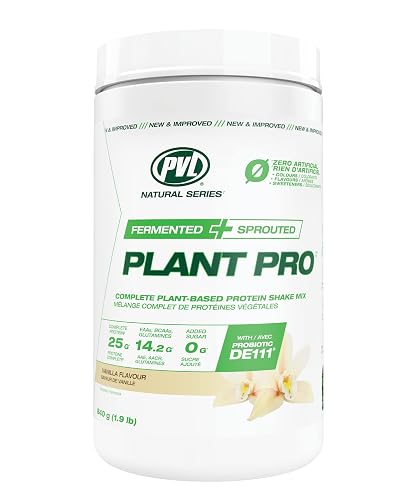
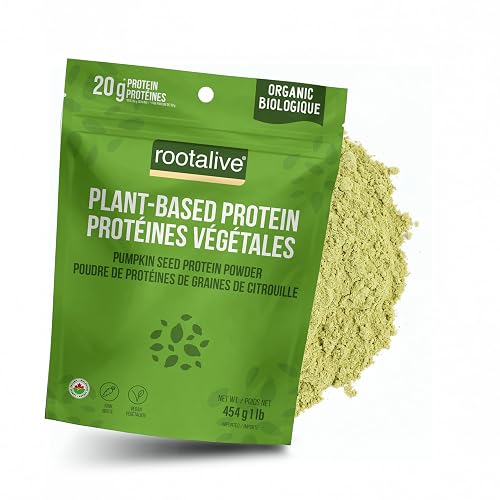
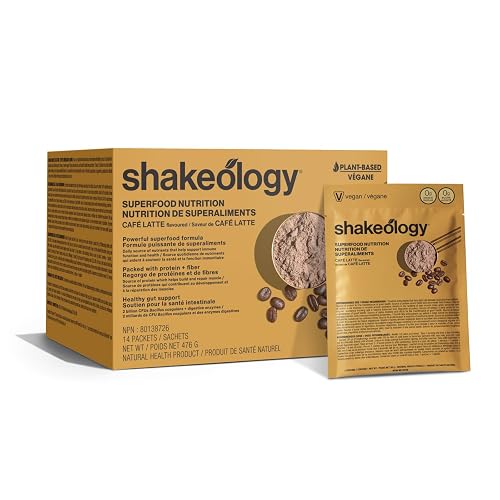
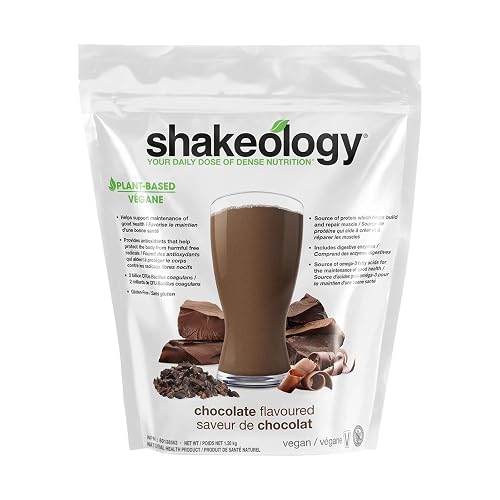
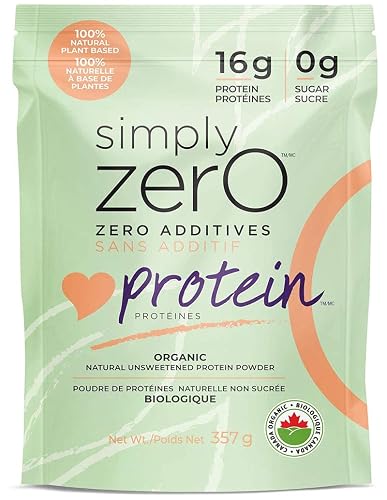
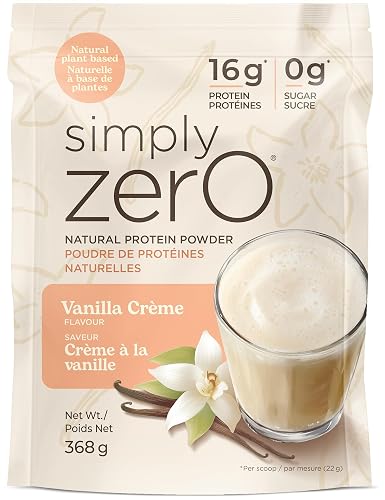
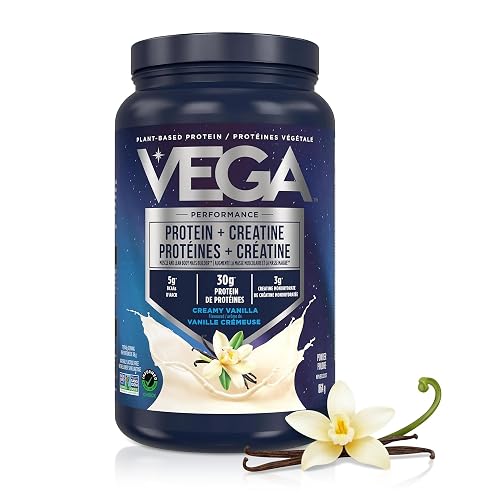
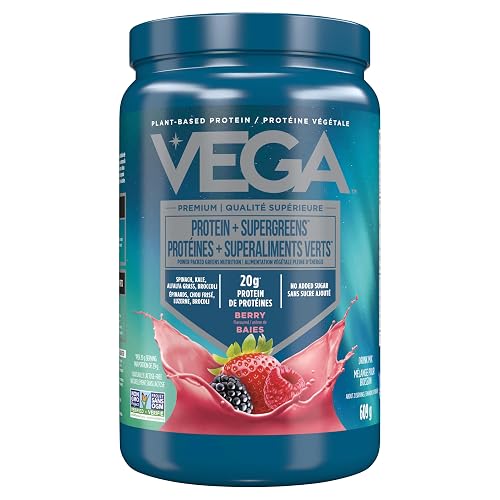
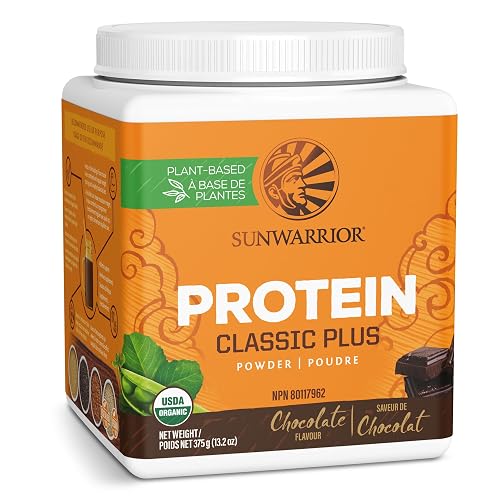
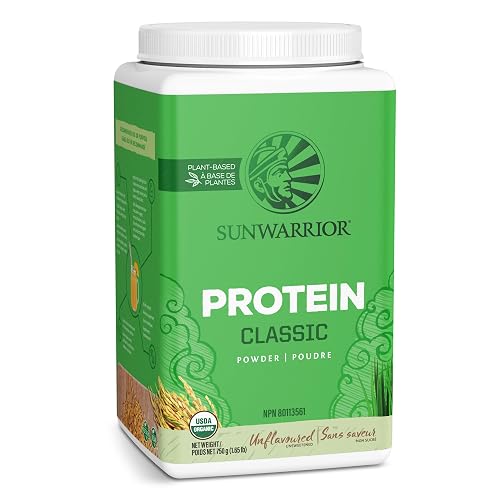
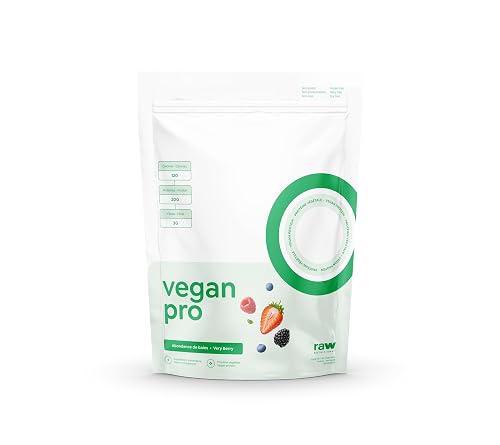
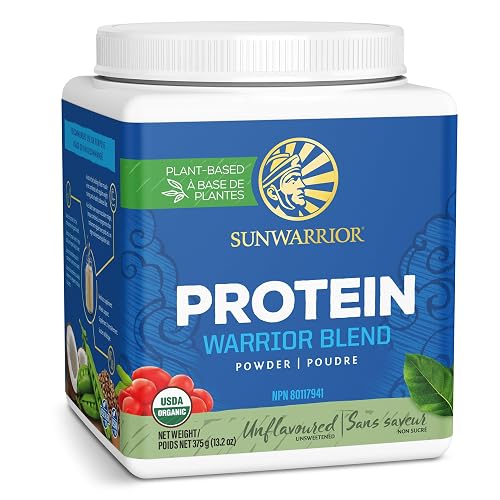
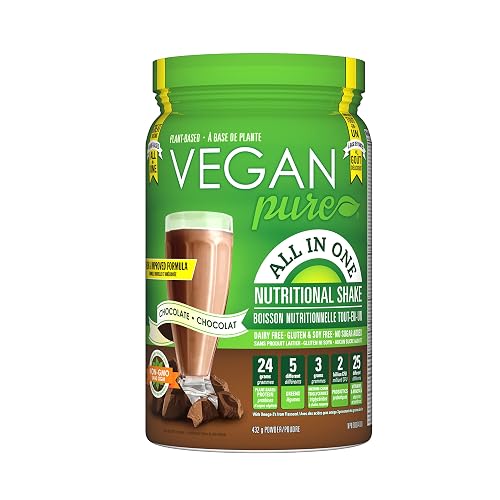
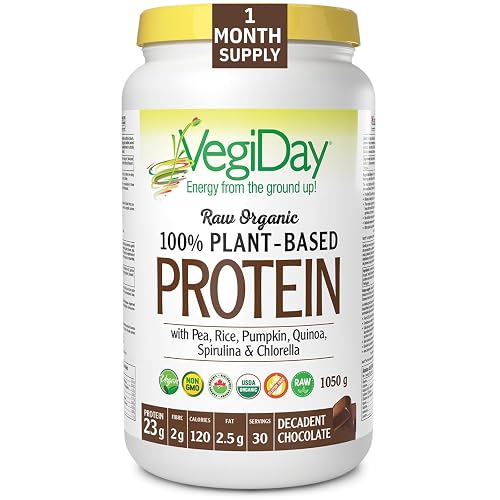
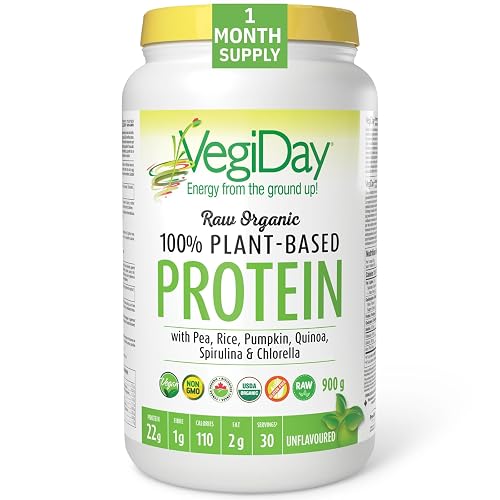
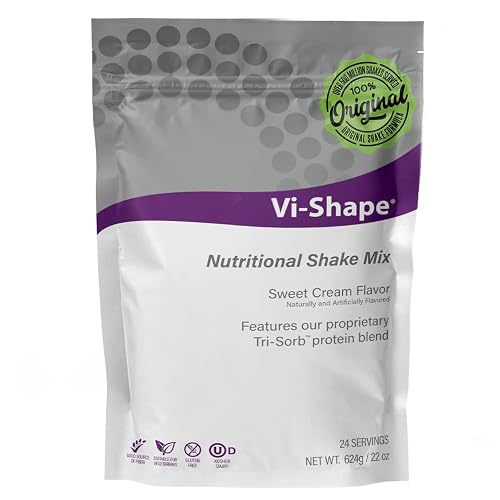
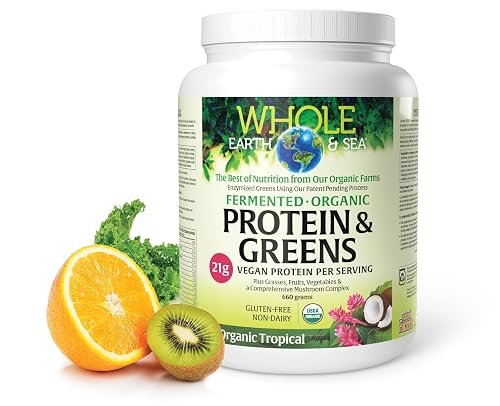
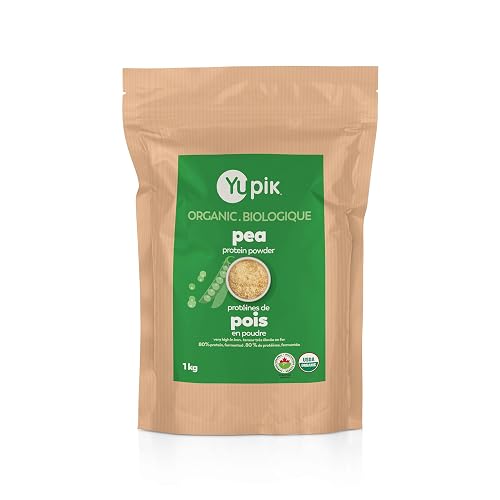
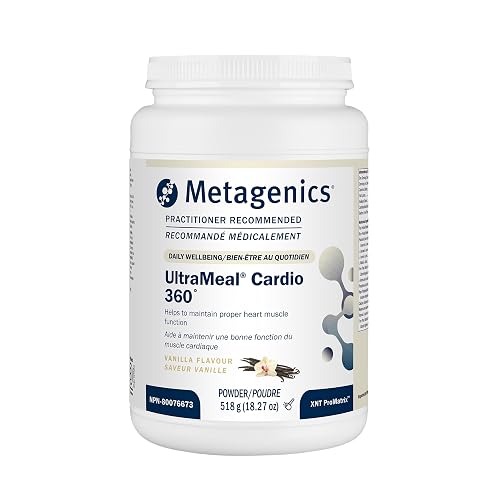
Pea, soy, and brown rice protein powders on Amazon.ca. 100% vegan, dairy-free, and ranked by protein per dollar. 6 of 84 are independently lab-tested.
Want filters, sorting & every variant? Browse the full Plant Protein catalogue →
Sorted by price - All products are 100% vegan - Prices from Amazon.ca
Is plant protein as good as whey for muscle building?
Plant protein blends (pea + rice) contain all essential amino acids and research shows comparable muscle gains to whey when total daily protein intake is matched. The key is getting 25-30g per serving and hitting your daily protein target consistently.
Which plant protein source is best?
Pea protein isolate is the most popular due to high protein content (80-85%) and good amino acid profile. Brown rice protein complements pea by adding methionine. A pea + rice blend gives you a complete amino profile closest to whey.
Does plant protein taste bad?
Early plant proteins had a chalky, earthy taste. Modern formulations have improved significantly, and chocolate and vanilla flavours from established brands are now genuinely palatable. Unflavoured options work well blended into smoothies.
Is plant protein good for lactose-intolerant people?
Yes, that is one of the primary use cases. Plant protein is 100% dairy-free, making it perfect for people with lactose intolerance who experience bloating or digestive issues with whey protein.
How much plant protein should I take per day?
Same as whey: 1-2 scoops providing 25-50g of protein daily, depending on your total dietary protein intake. Aim for 1.6-2.2g of protein per kg of bodyweight from all sources combined.
Can I mix plant protein with creatine?
Absolutely. Creatine works identically regardless of your protein source. Vegans and vegetarians actually benefit more from creatine since their baseline muscle creatine levels are lower.