High Triglycerides? Diet, Supplements and Exercise Guide for Indians (2026)
By WheySearch Editorial Team·Updated 22 June 2026
Share
High triglycerides are increasingly common among Indians — and it is largely a lifestyle issue, not a genetic one. A diet heavy in white rice, maida, sugary drinks, and refined oils, combined with a desk job and minimal movement, sets the perfect conditions for elevated blood triglycerides. The good news: this is one of the most diet-responsive blood markers there is. Targeted changes to what you eat, what you supplement, and how you move can make a measurable difference within 8–12 weeks.
⚠️
This article covers general-use nutraceuticals and lifestyle changes. It is not medical advice. If your triglycerides are above 200 mg/dL, you are on medication, or you have a diagnosed condition like diabetes or thyroid disorder, please consult your doctor before making changes.
✓Root cause in India: excess carbohydrates (rice, maida, sugar) converted to fat by the liver
✓Biggest dietary change: replace refined carbs with protein and healthy fats — not just eat less
✓Best foods: eggs, fish, dal, paneer, nuts, flaxseeds, green vegetables
✓Nutraceuticals that help: Omega-3 (EPA+DHA), Vitamin B12, Vitamin D3+K2, Magnesium
✓Exercise: 45 min brisk walking 5x/week is the single most evidence-backed intervention
✓Protein supplements: low-carb whey isolate can help replace carb-heavy snacks
✓For individual guidance and dosage, consult your doctor
Why Do Triglycerides Rise — and Why Indians Are Particularly Affected?
Triglycerides are fats circulating in your bloodstream. Your liver produces them from calories you consume but do not immediately use — particularly from carbohydrates and sugars. When you eat more carbs than your body needs for energy, the excess is converted into triglycerides and stored as fat. A diet centred on white rice three times a day, two cups of chai with sugar, biscuits as snacks, and refined oil cooking is essentially a triglyceride-raising programme.
Indians also tend to have a genetic predisposition called the thin-fat phenotype — relatively normal body weight but higher visceral fat and metabolic markers compared to Europeans at the same BMI. This means triglycerides can be elevated even in people who look lean and do not think of themselves as having a diet problem.
High carbohydrate intake (especially refined carbs and sugar) is the primary driver
Low physical activity means fewer calories burned, more triglycerides stored
Alcohol — even moderate — directly raises triglycerides by stimulating liver production
Hypothyroidism and uncontrolled diabetes both elevate triglycerides independently of diet
Certain medications (beta-blockers, steroids) can also raise levels
The Real Weight Loss Effect: A Practical Indian Example
You do not need to follow a strict keto diet or lose 10kg to see results. A modest caloric deficit of 300–400 calories per day, achieved primarily by reducing carbohydrates and replacing them with protein, consistently lowers triglycerides by 30–60 mg/dL over 90 days in most people.
💡
Practical swap: Replace your evening snack of samosa + chai with 2 sugars (approximately 500–600 calories, mostly carbs) with a 30g whey protein shake + a small handful of almonds (approximately 200–250 calories, high protein and healthy fat). That one change alone creates a consistent 300-calorie deficit and cuts refined carb intake significantly. Over 12 weeks, that is a realistic 3–4kg of fat loss.
The macronutrient shift matters more than the calorie number alone. Research consistently shows that reducing carbohydrates and increasing protein produces greater triglyceride reduction than the same caloric reduction from fat restriction. You are not just eating less — you are giving your liver less raw material to convert into blood triglycerides.
Low Carb, High Protein Foods to Eat More Of
Protein Sources (eat daily)
Eggs — the most cost-effective complete protein in India. 2–3 eggs per day is fine for most healthy adults
Paneer — 18–20g protein per 100g. Pair with vegetables instead of roti
Dal and legumes — underrated. 8–10g per 100g cooked, and the fibre also helps lower triglycerides
Soya chunks — 52g protein per 100g dry weight. The cheapest high-protein food available
Fish (rohu, mackerel, sardine, salmon) — high protein plus natural omega-3, which directly reduces triglycerides
Chicken breast — 31g per 100g cooked. Grilled or air-fried, not deep-fried
Greek yogurt / hung curd — 10–12g per 100g, excellent as breakfast or snack
Healthy Fats to Include
Almonds, walnuts, and flaxseeds — walnuts in particular are rich in ALA (plant omega-3)
Yogabar 7-in-1 Seeds Mix (chia + flax + pumpkin + sunflower seeds) — a convenient way to add multiple healthy fats and fibre in one go. One tablespoon stirred into curd, dal, or a smoothie adds meaningful ALA omega-3 and magnesium. At around ₹175–250 for 250g it is one of the most affordable nutritional upgrades in this list. Buy on Amazon India: amazon.in/dp/B0DMT8LQ1B?tag=wheysearch-in-revlynk-21
Mustard oil and cold-pressed coconut oil in moderation — better than refined vegetable oils
Avocado — increasingly available in Indian metros, high in monounsaturated fat
Fish like mackerel and sardine — the omega-3 in oily fish directly suppresses triglyceride production in the liver
What to Cut Back On
Affiliate link: we may earn a small commission if you buy through it, at no extra cost to you.
White rice — not eliminate, but reduce portion size and frequency. Replace one rice meal per day with a protein-rich alternative
Maida products — biscuits, bread, paratha, samosa, naan — these raise blood sugar rapidly, triggering triglyceride production
Packaged fruit juices and cold drinks — often 25–35g of sugar per serving with zero fibre
Sweet chai — two teaspoons of sugar per cup adds up to 30–40g per day if you drink 3–4 cups
Refined vegetable oils (sunflower, soybean, corn) used in large quantities — replace with mustard or desi ghee in moderate amounts
Alcohol — even two drinks per week has a measurable effect on triglycerides for sensitive individuals
Protein Supplements: Filling the Gap
Whole foods should be the foundation. But if your protein intake from food alone is falling short — which it does for most Indians whose meals are carbohydrate-heavy — a low-carb whey protein isolate is the most practical supplement to bridge the gap without adding refined carbohydrates.
Whey Protein Isolate (recommended over concentrate for triglyceride management)
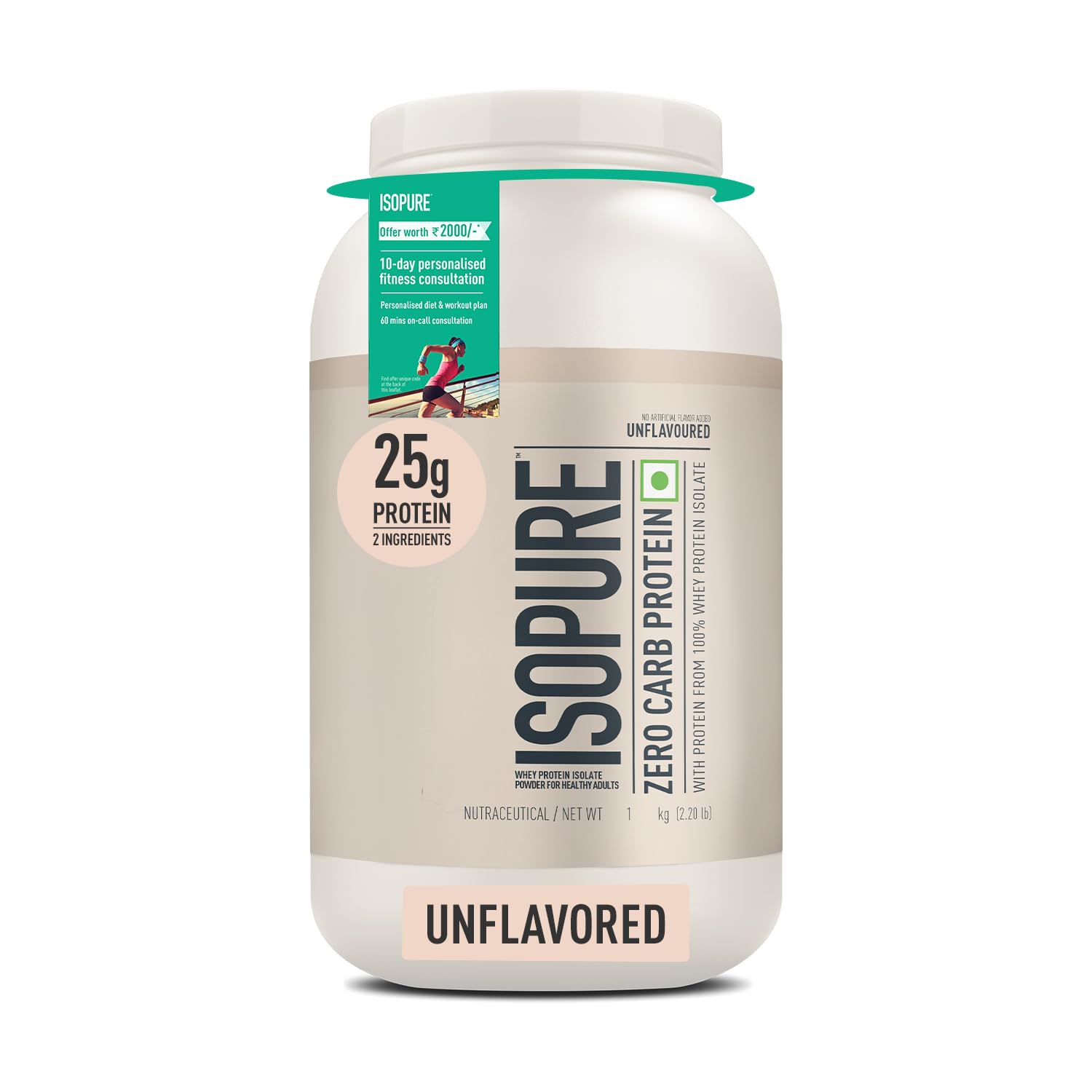
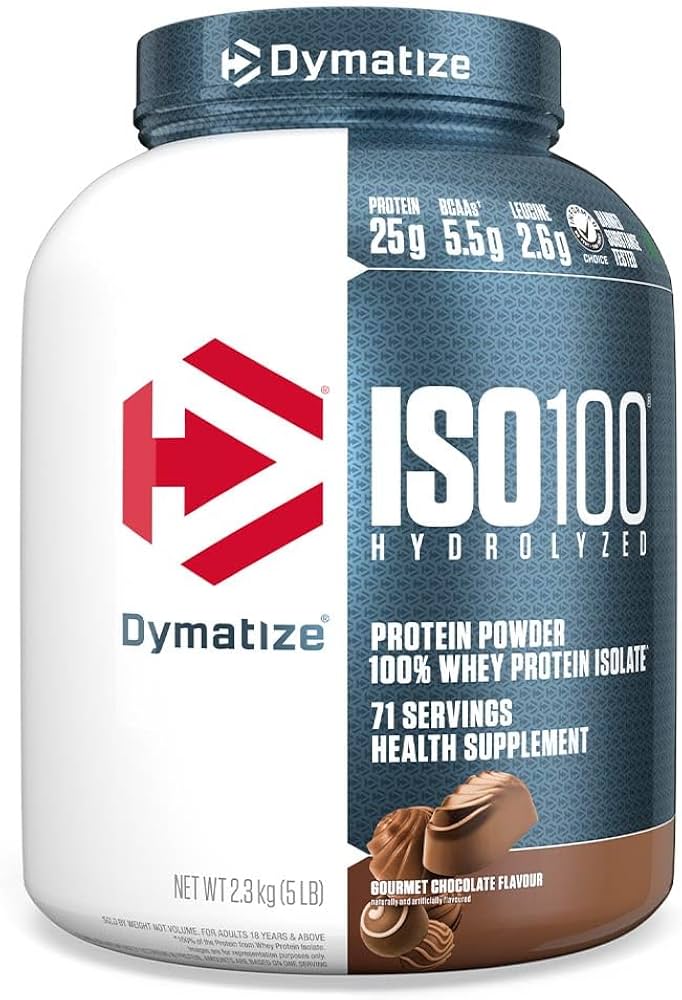
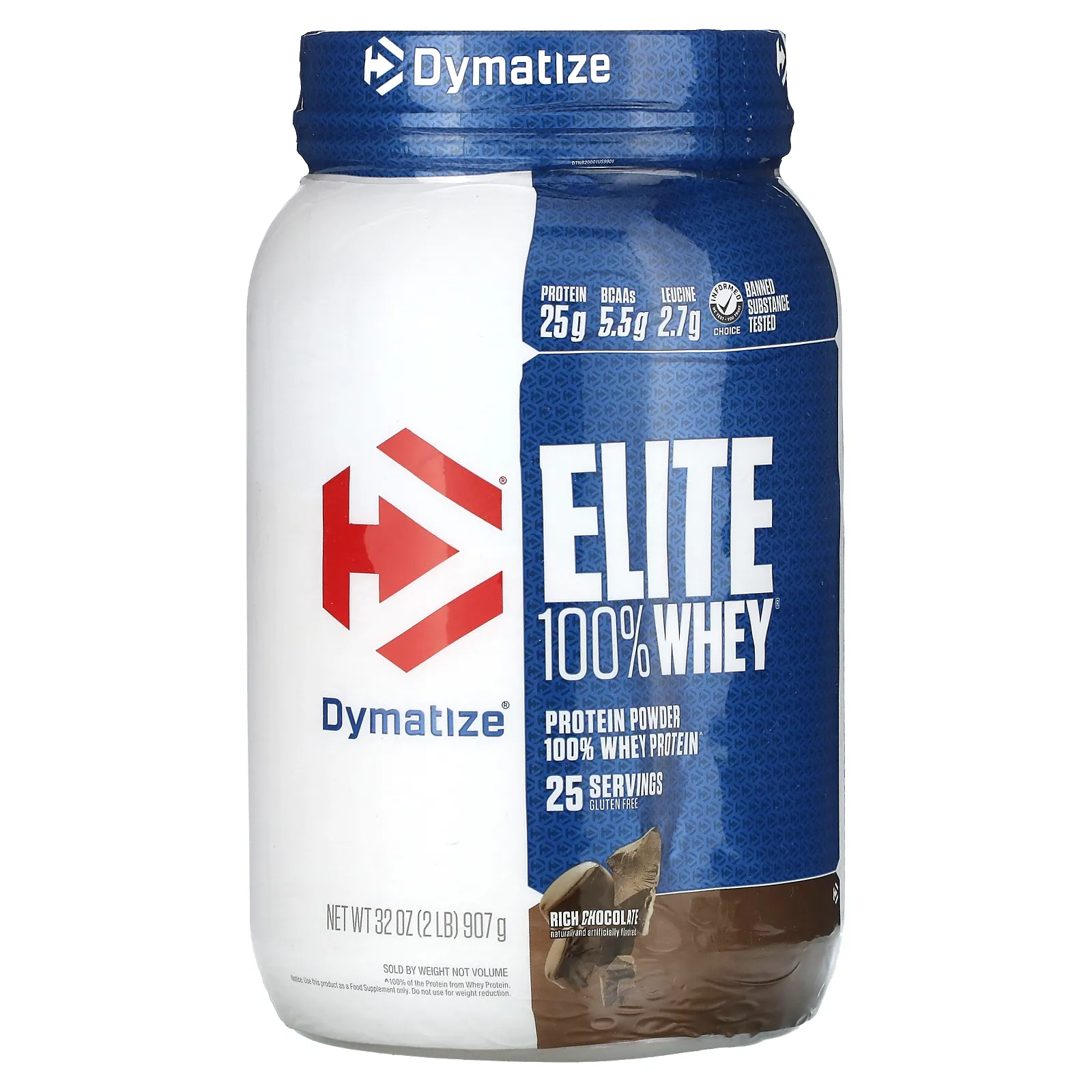
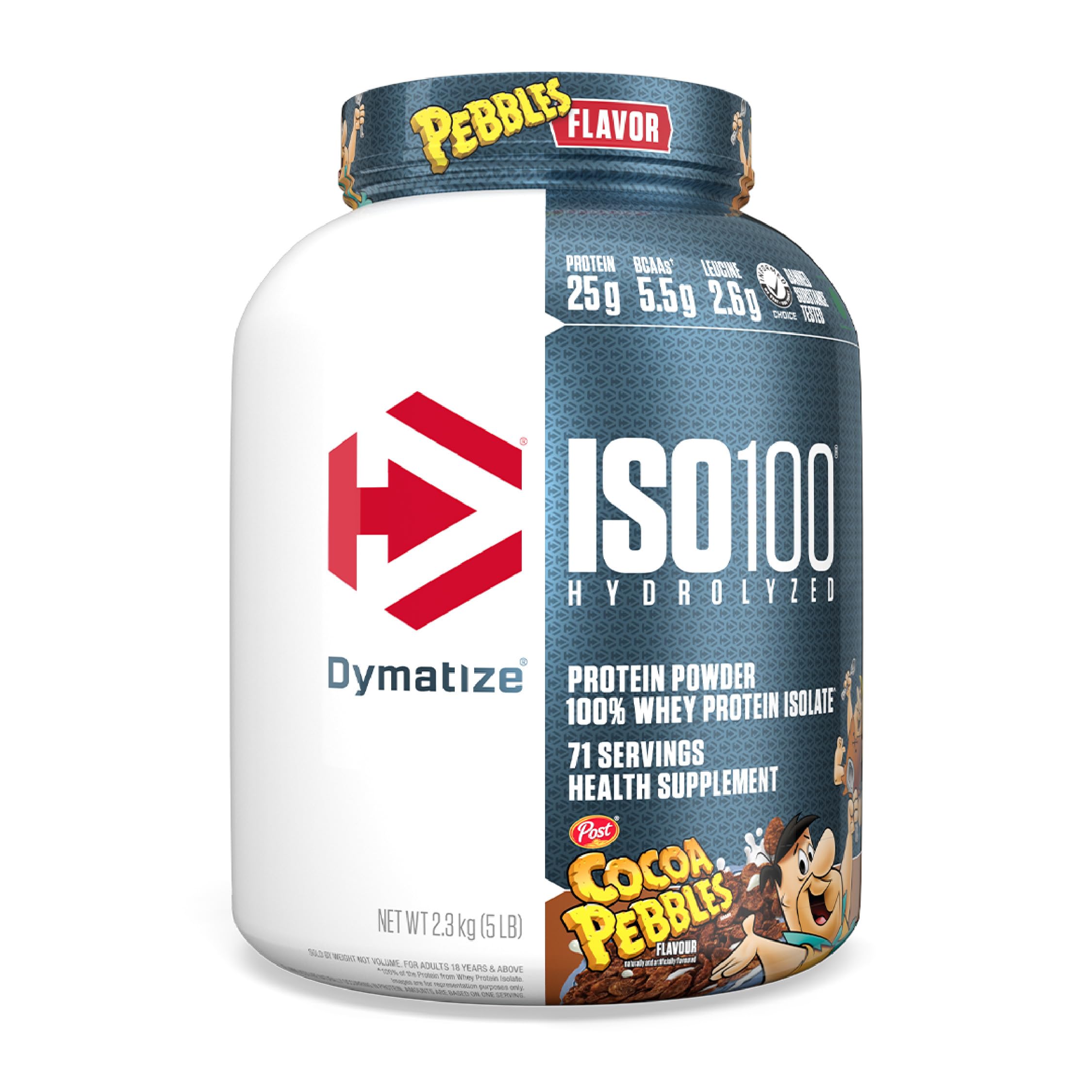
Whey protein isolate is processed to remove most of the fat and lactose, leaving protein content of 90%+ per serving with minimal carbohydrates. This makes it significantly better than whey concentrate (70–80% protein, more carbs) for people managing metabolic markers. Brands like Isopure Zero Carb, Dymatize ISO100, and MuscleBlaze Biozyme Whey Gold are well-regarded options in India. Prices generally range from around ₹1,200–1,500 for a 500g pack of domestic isolates to ₹5,000–8,000 for imported options per kg — but a 1kg domestic isolate delivering 30g protein per scoop (approximately 33 servings) is cost-effective as a daily snack replacement.
💡
One whey isolate shake replacing your afternoon biscuit-and-chai snack delivers approximately 25–30g of protein, near-zero added sugar, and roughly 120–130 calories. Over 4 weeks this shift alone measurably reduces total carbohydrate intake and supports fat loss — both of which reduce triglycerides.
Plant Protein (for vegetarians)
If you prefer to avoid whey, soya-based protein powders or pea protein isolates are good alternatives. These are lower in carbohydrates than soya chunks in whole form and easier to consume as a quick supplement. Brands like Nakpro Plant Protein, AS-IT-IS Soya Protein, and MuscleBlaze Plant Protein are available at various price ranges. Expect to pay roughly ₹800–1,500 for a 500g plant protein powder.
Nutraceuticals That Actually Help Triglycerides
These are standard over-the-counter supplements available in India. They support metabolic health as part of a broader diet and lifestyle change — they are not a substitute for one.
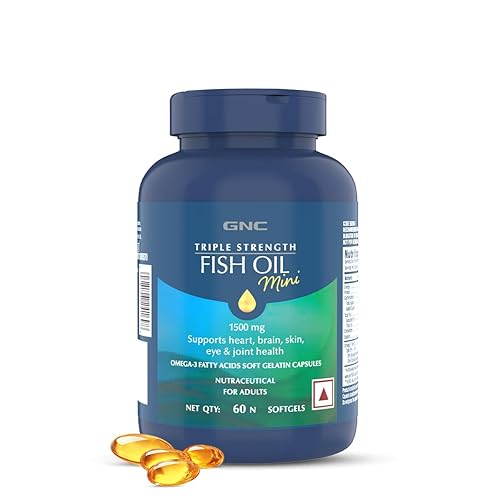
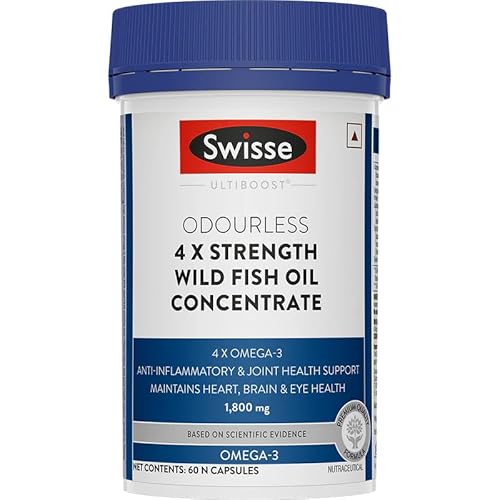
These are standard over-the-counter supplements. Browse all omega-3 and vitamin options on our comparison page: wheysearch.com/omega-3 and wheysearch.com/vitamins.
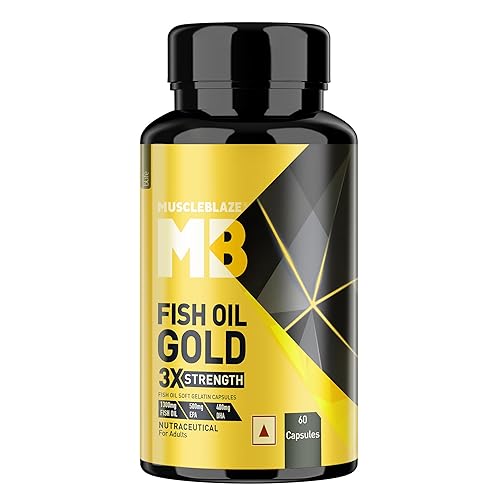
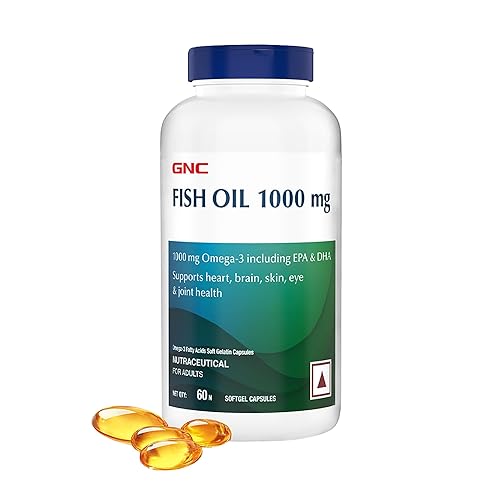
The top-rated fish oil in our India database (★4.8). High EPA+DHA concentration per capsule in a competitively priced pack. For most people looking to start omega-3 supplementation for metabolic health, this is the easiest first pick.
Rating: ★4.8 on Amazon India
Price range: approximately ₹400–500
Best for: non-vegetarians wanting the highest-rated fish oil at a mid-range price
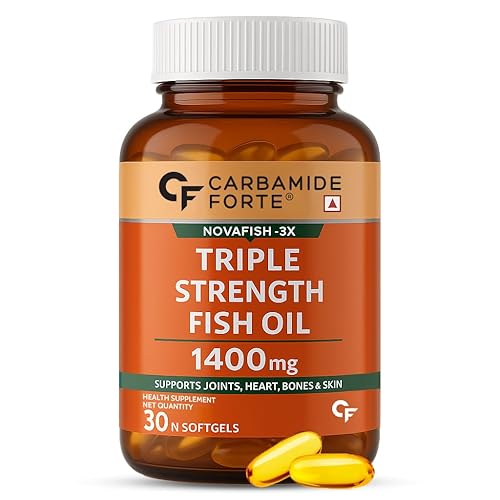
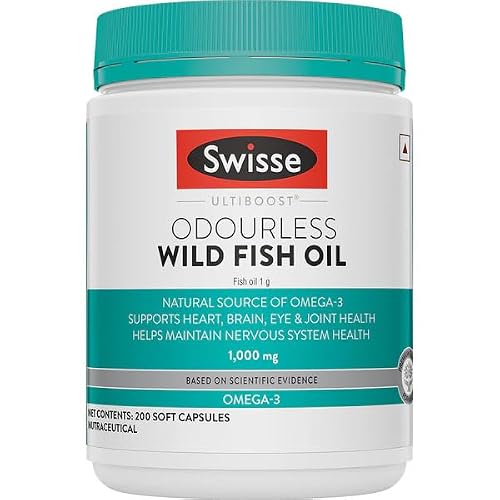
Carbamide Forte is one of India's most trusted supplement brands with lab-tested products and strong FSSAI compliance. Their triple strength fish oil packs a higher EPA+DHA dose per capsule than standard fish oil, meaning you need fewer capsules to hit a meaningful daily dose.
Rating: ★4.2 on Amazon India
Price range: approximately ₹300–600
Best for: non-vegetarians who want a reliable brand with good dosing per capsule
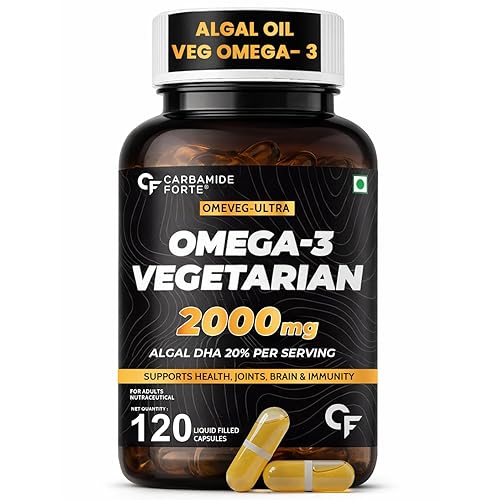
3. Carbamide Forte Veg Omega-3 2000mg (Algae-Based)
Algae-derived omega-3 is the only plant source of preformed DHA — the same form your body uses directly, skipping the conversion step that makes flaxseed oil less efficient. This is the recommended option for vegetarians, vegans, and anyone who prefers to avoid fish products entirely.
Rating: ★4.7 on Amazon India
Price range: approximately ₹600–800
Best for: strict vegetarians and vegans wanting direct EPA+DHA without fish
The most affordable plant-based omega-3 option in our database. Flaxseed oil provides ALA, which the body converts to EPA and DHA — conversion efficiency is lower (roughly 5–15%) than direct fish oil, but it still contributes meaningfully when combined with dietary sources like walnuts and flaxseeds.
Rating: ★4.3 on Amazon India
Price range: approximately ₹450–550
Best for: budget-conscious vegetarians wanting a plant-based omega-3 entry point
Note: pair with dietary ALA sources (walnuts, chia, flaxseeds) for best effect
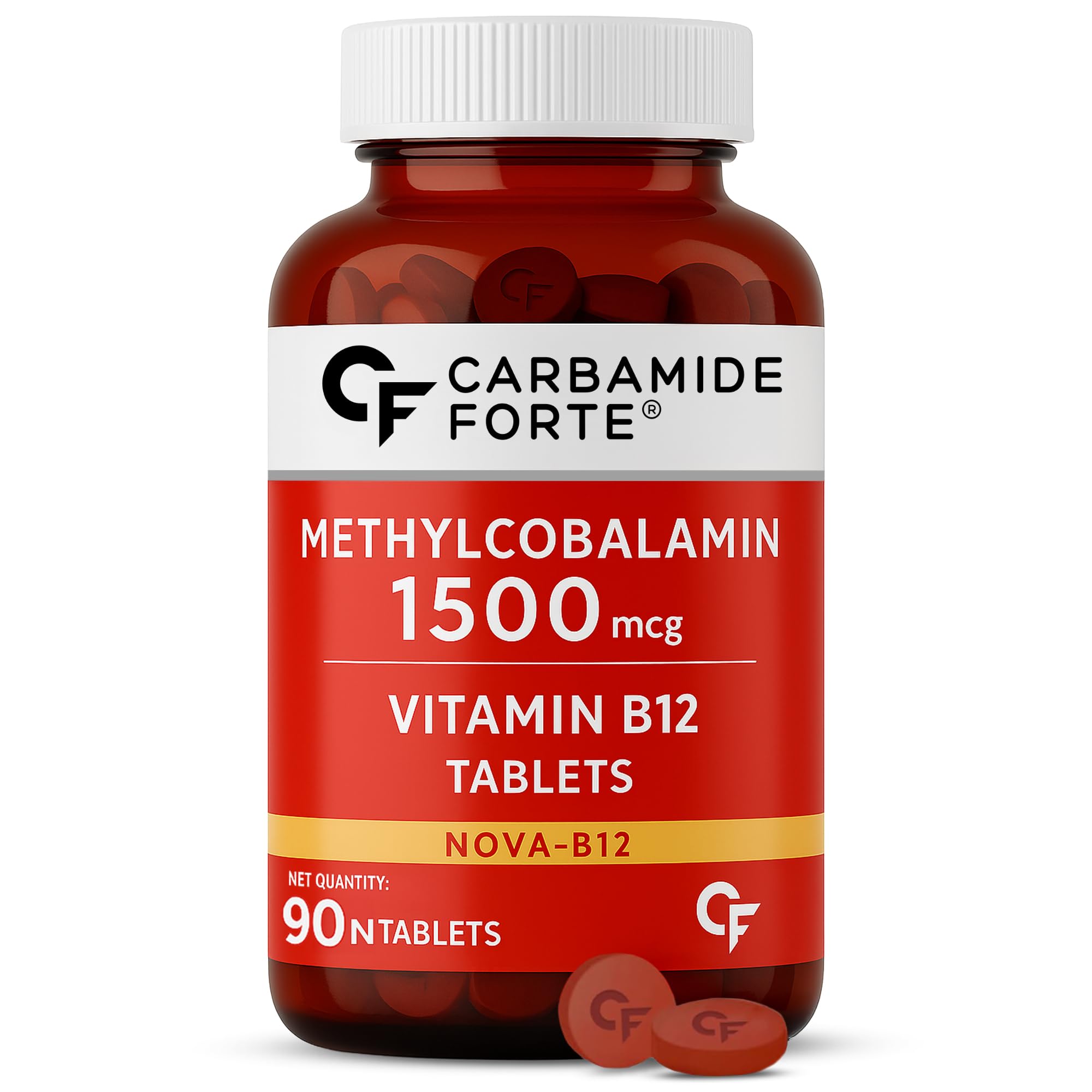
B12 deficiency is extremely common in India — studies suggest 50–80% of Indians, especially vegetarians, have suboptimal levels. B12 is essential for fat metabolism and energy production. Correcting a deficiency improves metabolic function, energy, and exercise capacity — all of which indirectly support triglyceride management. Look for methylcobalamin on the label — it is the active form and significantly better absorbed than cyanocobalamin.
Rating: ★4.2 on Amazon India
Price range: approximately ₹500–700 for a month's supply
Form: methylcobalamin (active form — check the label)
Best for: vegetarians, vegans, and anyone with low energy or fatigue
Signs of B12 deficiency: persistent fatigue, tingling in hands or feet, brain fog
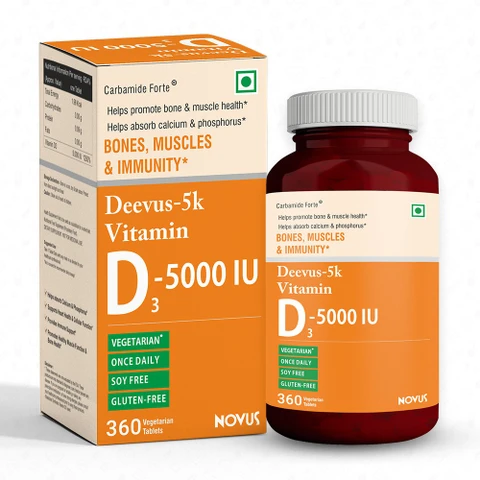
Vitamin D deficiency is near-universal among urban Indians despite abundant sunshine — most of us work indoors. Low Vitamin D is independently associated with insulin resistance and metabolic syndrome, both of which drive elevated triglycerides. K2 ensures calcium is directed to bones rather than arteries. Get your 25-OH Vitamin D tested before supplementing — levels below 30 ng/mL are considered deficient in most Indian labs.
Rating: ★4.3 on Amazon India
Price range: approximately ₹400–600 for a month's supply
Best for: office workers, indoor workers, and anyone who gets minimal sun exposure
Typical OTC dose: 1000–2000 IU D3 daily; your doctor may recommend higher if severely deficient
Magnesium plays a central role in glucose metabolism. Deficiency impairs insulin sensitivity, meaning more blood glucose gets converted to triglycerides. Most Indians are magnesium-deficient due to low consumption of nuts, seeds, and leafy greens. The citrate + glycinate combination in this product provides both forms — citrate for general absorption and glycinate for better tolerance in people with sensitive stomachs.
Rating: ★5.0 on Amazon India — highest rated in our database
Price range: approximately ₹200–350
Best for: anyone with poor sleep, muscle cramps, or high stress alongside elevated triglycerides
Foods also high in magnesium: spinach, methi, almonds, pumpkin seeds
ℹ️
These nutraceuticals are generally safe for healthy adults at standard doses. However, appropriate dosage varies significantly based on your individual blood levels, medications, and health conditions. Have your Vitamin D, B12, and magnesium levels tested before supplementing, and discuss your plan with your doctor — particularly if you have kidney disease, are pregnant, or take blood thinners.
Exercise: What Actually Works
Exercise works through two mechanisms: it increases the activity of lipoprotein lipase (the enzyme that breaks down triglycerides) and it depletes muscle glycogen, so carbohydrates you eat after exercise are more likely to refuel muscle stores than to become triglycerides. You do not need to run a marathon. Consistency at moderate intensity is what the research actually supports.
Brisk Walking — The Most Accessible and Evidence-Backed Option
A 2023 meta-analysis of 39 trials found that 150 minutes per week of moderate-intensity aerobic exercise (brisk walking qualifies) reduced triglycerides by an average of 21 mg/dL. That is 30 minutes, 5 times per week — the single most achievable exercise prescription for most working Indians. Brisk means you should be slightly breathless but able to hold a conversation.
Target: 5 x 45-minute brisk walks per week — achievable before work, after dinner, or on a lunch break
Use a free app or watch to track: aim for 100+ steps per minute to ensure it qualifies as brisk
Morning walks in fasted state may have a marginal additional benefit for fat metabolism
Start with 20 minutes if you are currently sedentary and build up over 4 weeks
Zone 2 Cardio (Cycling, Swimming, Light Jogging)
Zone 2 cardio — where you can hold a conversation but feel comfortably exerted — primarily burns fat as fuel and is particularly effective at improving metabolic markers including triglycerides. Cycling (outdoors or stationary), swimming, or a conversational jog all count. Three 30–40 minute sessions per week in addition to walking is an excellent target for those who can sustain it.
Resistance Training — Often Overlooked for Metabolic Health
Two resistance training sessions per week builds muscle mass, which acts as a metabolic sink — more muscle means more glucose disposal capacity, less glucose converted to triglycerides. Basic bodyweight exercises (squats, push-ups, lunges), a gym membership, or home dumbbells all work. You do not need to lift heavy or train like a bodybuilder.
A Simple Weekly Plan
Monday: 45-minute brisk walk
Tuesday: 30-minute resistance training (gym or bodyweight)
Wednesday: 45-minute walk or Zone 2 cycle
Thursday: Rest or light yoga / stretching
Friday: 45-minute brisk walk
Saturday: 30-minute resistance training
Sunday: 45-minute walk or rest
How Long Before You See Results?
Triglycerides respond faster than most blood markers. With consistent dietary changes (reducing refined carbs, increasing protein and omega-3), supplementation with fish oil, and 150+ minutes of exercise per week, most people see measurable improvement within 6–8 weeks. A 12-week retest is a reasonable timeline to assess progress. The most dramatic improvements — 50–100 mg/dL reductions — are typically seen in people starting with the highest baseline levels who also make the most significant dietary changes.
⚠️
High triglycerides are not always purely a diet and lifestyle issue. If your levels remain above 200 mg/dL after 12 weeks of consistent lifestyle changes, or if they are above 500 mg/dL at baseline, medical evaluation is important. Severely elevated triglycerides can indicate pancreatitis risk, secondary causes (diabetes, thyroid, kidney disease), or familial hypertriglyceridaemia that requires medical treatment. For personalised guidance on your specific numbers and situation, consult your doctor.
The Bottom Line
High triglycerides in Indians are largely driven by excess refined carbohydrates, low protein intake, and sedentary habits. The good news is that these are directly addressable. Replace one carb-heavy meal with a protein-rich option. Start walking 45 minutes five times per week. Add Carbamide Forte Omega-3 and Vitamin D3+K2 — two nutraceuticals with the strongest evidence for supporting metabolic health — after checking with your doctor. Retest after 12 weeks. Most people who follow these steps consistently see meaningful improvement without needing medication.