
Your doctor ran a lipid panel and flagged your triglycerides. Maybe they said 'watch your diet' and left it at that. Maybe they mentioned medication as a possibility. Either way, you are here looking for the version of this advice that actually tells you something useful — what to eat, what to cut, which supplements have real evidence behind them, and what to do at the gym. This is that guide.
Omega-3 & Fish Oil Supplements



✨ AI Summary
- ✓Normal triglycerides: below 150 mg/dL. Borderline: 150–199. High: 200+. Very high (pancreatitis risk): 500+
- ✓Biggest lever: cut refined carbs and sugar — not dietary fat. Your liver converts excess carbs to triglycerides
- ✓One dietary swap that works: replace your afternoon processed snack with a zero-carb protein shake + almonds
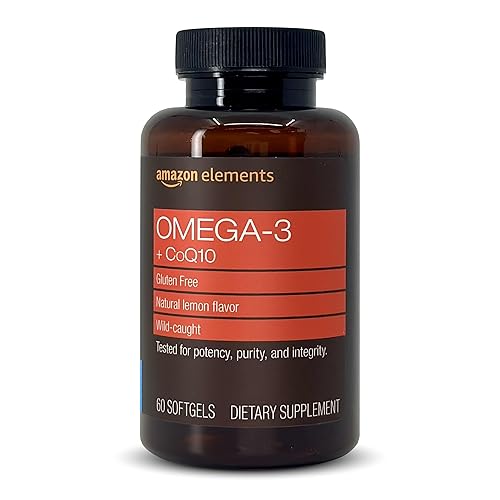
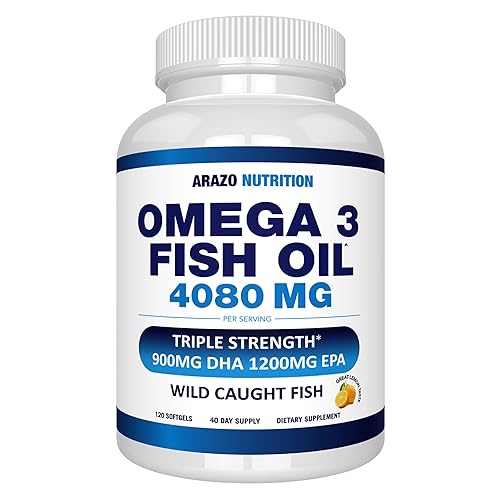
- ✓Supplement with real evidence: Omega-3 (EPA+DHA) — reduces triglycerides 15–30% at 2–4g/day
- ✓Support supplements: Vitamin D3+K2, B12, Magnesium — address common deficiencies that worsen insulin sensitivity
- ✓Exercise: 150 minutes/week moderate cardio is the most evidence-backed intervention after diet
- ✓FSA/HSA eligible: most fish oil and vitamin D supplements qualify — check before year-end
- ✓This is lifestyle guidance. If your triglycerides are above 200 mg/dL or you are on medication, work with your doctor

Why Your Triglycerides Are High — and Why Your Doctor's Advice Probably Wasn't Enough
Here is what most people get wrong: high triglycerides are usually not about eating too much fat. They are about eating too many carbohydrates — specifically refined carbs, sugar, and alcohol. When you eat more carbohydrates than your body can immediately use for energy, your liver converts the excess into triglycerides and ships them into your bloodstream as VLDL particles. The standard American diet — pasta, bread, bagels, sweetened coffee drinks, beer on the weekends, fruit juice at breakfast — is essentially a triglyceride manufacturing programme.
The other thing nobody tells you at the doctor's office: triglycerides are one of the most responsive blood markers to lifestyle changes. Drop your refined carb intake, add omega-3s, walk 45 minutes five times a week, and retest in 12 weeks. Most people who do this consistently see 30–60 mg/dL reductions — sometimes more.
The Diet Change That Moves the Number Fastest
You do not need to go full keto. You need to reduce the carbohydrate inputs your liver is converting to fat. That means targeting the biggest offenders first: sweetened beverages, processed snack foods, white bread and pasta in large portions, and alcohol.
Eat More Of These
- Fatty fish (salmon, sardines, mackerel, herring) — 3x/week minimum. Natural EPA+DHA that directly suppresses triglyceride production in the liver
- Eggs — complete protein, virtually zero carbs, contains choline which supports liver fat processing
- Non-starchy vegetables — spinach, broccoli, peppers, zucchini, asparagus — high fibre, minimal glucose spike
- Walnuts and almonds — walnuts are particularly rich in ALA (plant omega-3). A small daily handful matters
- Avocado — monounsaturated fat, potassium, fibre. One of the best foods for metabolic markers
- Legumes (beans, lentils, chickpeas) — high protein, high fibre, low glycaemic index. The fibre directly reduces triglyceride absorption
- Greek yogurt — high protein, minimal sugar (plain, not flavoured). Breakfast or snack that will not spike your triglycerides
Cut Back On These
- Sweetened beverages — Starbucks lattes, energy drinks, orange juice, sports drinks, soda. These are liquid triglyceride triggers. A 16oz OJ has more sugar than a can of Coke
- Alcohol — even two drinks per week has a measurable effect for sensitive individuals. Beer and wine are the biggest culprits (carb-heavy). If you drink, limit to 1–2 drinks max and not daily
- White bread, bagels, pasta in large portions — not eliminated, but reduced significantly and replaced with protein-forward alternatives
- Processed snack foods — crackers, pretzels, chips, granola bars. Almost all of them are refined carb with minimal protein
- Sweetened yogurt — Chobani Flip, flavoured Greek yogurts, açaí bowls. The sugar content rivals dessert
- Tropical fruits in large quantities — mango, pineapple, grapes. Fine in small amounts; the fibre-to-sugar ratio at scale drives triglycerides
The single most effective swap: replace your afternoon snack (crackers, a granola bar, a sweetened latte) with a zero-carb whey isolate shake + a small handful of walnuts. That one change typically cuts 300–400 calories of refined carbs per day and adds 25–30g of protein. Over 12 weeks, this alone produces measurable triglyceride reduction in most people.
The Real-World Weight Loss Math
You do not need to lose a lot of weight to see results. A consistent 300–400 calorie daily deficit — achieved primarily by cutting refined carbs rather than fat — is associated with 2–3 lb of fat loss per month and meaningful triglyceride reduction within 8 weeks. The mechanism is simple: less carbohydrate in means less raw material for the liver to convert to VLDL triglycerides.

Affiliate link: we may earn a small commission if you buy through it, at no extra cost to you.
Example: Person consuming 2,600 calories/day, 55% from carbs. They remove the afternoon granola bar (250 cal), replace sweetened coffee with black coffee (120 cal saved), and swap the pasta dinner twice per week for salmon and vegetables (300 cal reduction). That is a 670-calorie swing from refined carbs alone — more than enough to produce measurable results within 60 days.
Protein Supplements: The Low-Carb Snack Replacement That Works
You are not taking protein to build muscle. You are taking it to replace carbohydrate-heavy snacks with something that keeps you full, adds zero refined carbs, and supports muscle retention during a caloric deficit — which in turn improves your metabolic rate and insulin sensitivity. Whey protein isolate is the right choice here: 90%+ protein per scoop, near-zero carbs and sugar, mixes in 20 seconds.
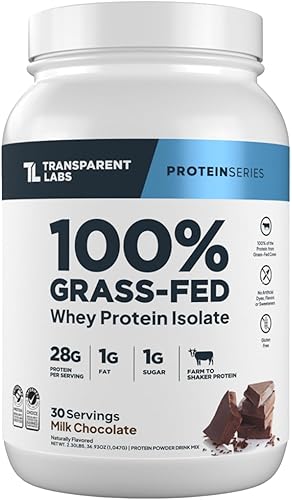 1. Transparent Labs Grass-Fed Whey Isolate →Buy →
The cleanest isolate we stock. Grass-fed sourcing, no artificial sweeteners, 28g protein per scoop, zero fillers. At $2.00/serving it is the premium pick — but for someone replacing a $6 Starbucks latte with a protein shake, the math still works in their favour on every single serving. Transparent Labs publishes third-party test results and the label says exactly what is in it.
- 28g protein | 0g sugar | 30 servings | ★4.7 (4,000+ reviews)
- Price: ~$2.00/serving ($59.99/tub)
- Third-party tested, no artificial sweeteners, no soy
- Best for: people who want the cleanest possible label and do not mind paying for it
Zero carbs is right in the name. Isopure has been making this product for years and the formula is exactly what it says — 25g protein, literally 0g carbohydrates. If your doctor told you to cut carbs specifically, this is the most literal answer to that instruction in supplement form. Solid ratings, available in multiple flavours, and ships Prime.
- 25g protein | 0g carbs | 0g sugar | ★4.6 (30,000+ reviews)
- Price: ~$1.50–1.80/serving
- Gluten-free, lactose-free option available
- Best for: strict low-carb approach, people with lactose sensitivity
Supplements With Real Evidence for Triglycerides
A word before the list: supplements support lifestyle changes — they do not replace them. That said, the following four have genuine evidence, are widely available, FSA/HSA eligible in many cases, and are the ones worth actually taking. Compare the full selection on our omega-3 comparison page at wheysearch.com/en-us/omega-3 and vitamins comparison at wheysearch.com/en-us/vitamins.
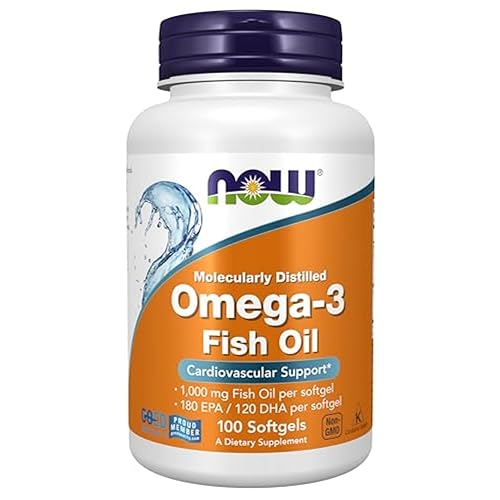 1. NOW Foods Omega-3 180 EPA / 120 DHA →Buy →
The best value omega-3 in our database. Under $8 for a bottle, molecularly distilled, 4.8 stars across thousands of reviews, made by one of the most trusted supplement brands in the US. If your goal is to get meaningful EPA+DHA into your routine without overthinking it, this is the answer. Take two softgels with your fattiest meal of the day for best absorption.
- 180mg EPA + 120mg DHA per softgel | Molecularly distilled | ★4.8
- Price: ~$7–9/bottle — best value omega-3 we carry
- Third-party tested, no fishy aftertaste, Non-GMO
- FSA/HSA eligible — check your plan before year-end spending
- Best for: anyone who wants reliable omega-3 without spending much
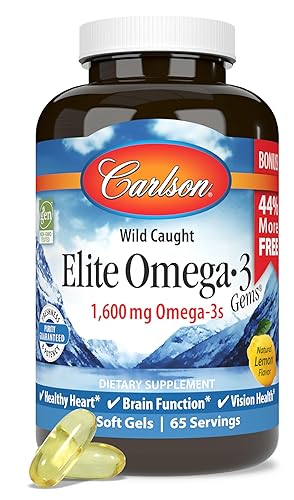 2. Carlson Elite Omega-3 1600mg →Buy →
Carlson has been making fish oil since 1965. The Elite Omega-3 is their high-potency fish oil — 1600mg of omega-3s per two-softgel serving with a higher EPA+DHA ratio than standard fish oils. For people who have been told by their doctor to specifically target triglycerides with omega-3, the higher dose per serving makes this the more efficient option. Carlson's Friend of the Sea certification means the sourcing is sustainable.
- 1600mg omega-3 (EPA+DHA) per 2-softgel serving | ★4.8
- Price: ~$35–45/bottle
- Friend of the Sea certified, no fishy burps
- FSA/HSA eligible
- Best for: people wanting a therapeutic-range dose in fewer capsules per day
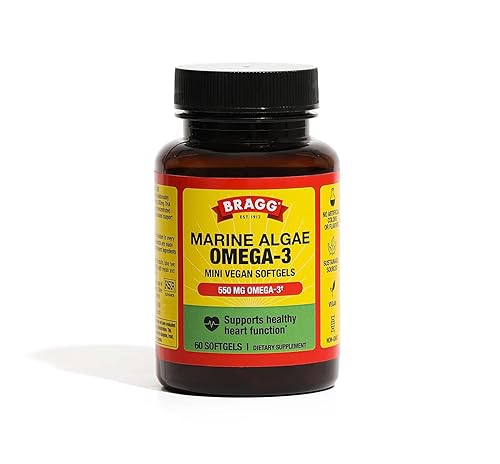
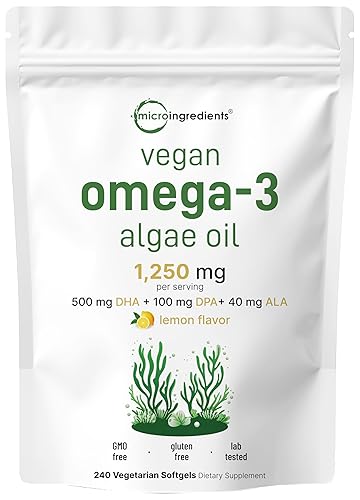 3. Micro Ingredients Vegan Omega-3 Algae Oil →Buy →
Fish oil comes from fish — which get their omega-3 from algae. Cutting out the middleman means you get the same DHA and EPA in plant-based form, with zero fish, zero sustainability concerns, and zero fishy taste. ★4.8 across a significant number of reviews and a competitive price for 240 veggie softgels. The best plant-based option in our database by rating.
- Algae-derived EPA + DHA | 240 veggie softgels | ★4.8
- Price: ~$25–30
- Vegan, no fish, no fishy taste
- Best for: vegetarians, vegans, people who cannot tolerate fish-based products
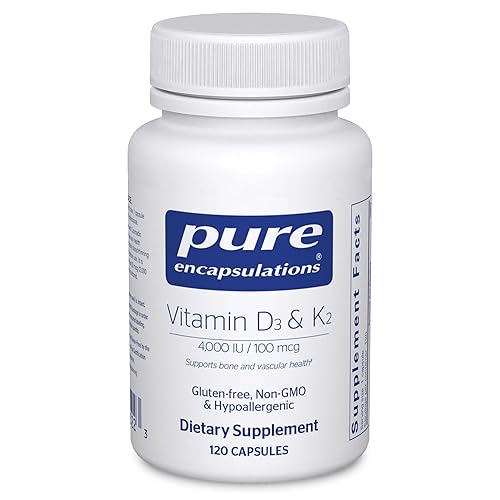 4. Pure Encapsulations Vitamin D3 & K2 →Buy →
Vitamin D deficiency is linked to insulin resistance, which drives triglyceride production. Studies in American adults consistently show 40%+ have insufficient Vitamin D levels — including people in sunny states who still spend most of the day indoors. Pure Encapsulations is a hypoallergenic, practitioner-grade brand. Their D3+K2 combination ensures the calcium that D3 mobilises gets directed to bones, not arteries. ★4.8 with excellent reviews across a large sample.
- Vitamin D3 5000 IU + Vitamin K2 as MK-7 | ★4.8
- Price: ~$33–38/bottle
- NSF Certified GMP, hypoallergenic, no artificial additives
- FSA/HSA eligible in most plans
- Best for: anyone who has tested low on Vitamin D or works indoors year-round
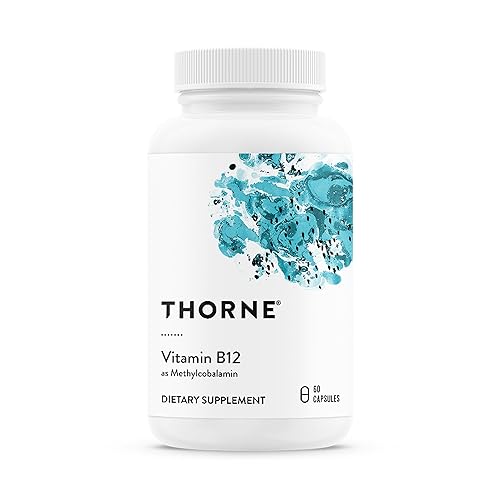 5. Thorne Vitamin B12 Methylcobalamin →Buy →
B12 deficiency is surprisingly common in the US, particularly among people over 40 and those on metformin (a common diabetes medication). B12 supports fat metabolism, energy production, and nervous system function. Correcting a deficiency improves your baseline energy levels — which makes following through on the diet and exercise recommendations in this article significantly more achievable. Thorne is one of the most trusted brands in sports and clinical nutrition. This is methylcobalamin — the active, better-absorbed form.
- B12 as methylcobalamin (active form) | ★4.8
- Price: ~$22–26/bottle
- NSF Certified for Sport — third-party tested
- FSA/HSA eligible
- Best for: anyone over 40, anyone on metformin, vegetarians/vegans
If you have FSA or HSA money to spend before December 31st, omega-3 supplements and most vitamins qualify. Nature Made fish oil and NOW Foods omega-3 are specifically listed as FSA-eligible on Amazon. Buy via Amazon HSA/FSA Eligible filter to confirm before checkout.
Exercise: What the Research Actually Supports
Exercise works for triglycerides through two mechanisms: it activates lipoprotein lipase (the enzyme that breaks down triglycerides in the blood) and it depletes muscle glycogen stores, so carbohydrates you eat after exercise are more likely to refuel muscle than to become triglycerides. You do not need to train like an athlete.
Brisk Walking — More Effective Than Most People Expect
A 2023 meta-analysis of 39 randomised controlled trials found that 150 minutes per week of moderate-intensity cardio — the brisk walking definition — reduced triglycerides by an average of 21 mg/dL. That is five 30-minute walks per week. Brisk means your heart rate is elevated and you are slightly breathless but can still hold a conversation. A fitness tracker or smartwatch makes it easy to stay in the right zone.
- Target: 5 x 30–45 min brisk walks per week — before work, lunch break, or after dinner all work equally well
- Aim for 100+ steps per minute for it to qualify as brisk walking
- Morning fasted walks have a marginal additional benefit for fat oxidation — worth doing if you can
- A basic fitness tracker or Apple Watch helps keep you honest on pace and duration
Zone 2 Cardio — The Metabolic Upgrade
Zone 2 is the intensity where you can just about hold a conversation — slightly above easy walking, below running hard. Cycling, elliptical, swimming, rowing, or a slow jog all qualify. At this intensity you primarily burn fat as fuel and build metabolic flexibility — your body's ability to switch efficiently between carbs and fat. Three 30–40 minute Zone 2 sessions per week is the sweet spot for metabolic improvement without requiring athlete-level commitment.
Resistance Training — The Underrated Metabolic Fix
Two resistance training sessions per week builds lean muscle mass, which acts as a metabolic sink. More muscle means more places for glucose to go — reducing the amount your liver converts to triglycerides. You do not need a heavy gym programme. Two full-body sessions with dumbbells, a barbell, machines, or even bodyweight are enough to move the needle. Progressive overload (gradually increasing difficulty over time) is the key principle.
A Practical Weekly Plan You Can Actually Stick To
- Monday: 40-min brisk walk (before or after work)
- Tuesday: 35-min resistance training — full body, 3 sets of 6–8 exercises
- Wednesday: 40-min Zone 2 cardio (bike, elliptical, or slow jog)
- Thursday: Rest or 20-min easy walk
- Friday: 40-min brisk walk
- Saturday: 35-min resistance training
- Sunday: 45-min brisk walk or light activity
How Long Before You See Results?
Triglycerides are one of the fastest-responding blood markers. With consistent dietary changes (cutting refined carbs, replacing snacks with protein, adding fatty fish 3x/week), omega-3 supplementation at a meaningful dose, and 150+ minutes of weekly exercise, most people see measurable improvement at the 8-week mark. A 12-week retest is the standard recommended timeline. The largest reductions — 50–100 mg/dL — typically happen in people starting with the highest baseline levels who make the most significant dietary changes.
High triglycerides are not always a pure lifestyle issue. If your levels remain above 200 mg/dL after 12 weeks of consistent effort, or if they are above 500 mg/dL at baseline, talk to your doctor about underlying causes (hypothyroidism, uncontrolled diabetes, genetic familial hypertriglyceridaemia) that may require medical treatment beyond lifestyle changes. For personalised dosing and medical advice specific to your situation, your doctor is the right source — not this blog.
The Bottom Line
High triglycerides are largely a diet and sedentary lifestyle problem in most Americans — which means they are largely solvable with diet and movement. Cut the sweetened beverages and processed snacks. Add fatty fish, eggs, and vegetables. Replace your carb-heavy afternoon snack with a protein shake. Walk 45 minutes five times a week. Add NOW Foods omega-3 (under $9, ★4.8) and if your Vitamin D is low, Pure Encapsulations D3+K2 is the pick. Retest in 12 weeks. Most people who do this consistently see numbers they are much happier showing their doctor.