Switched to plant protein expecting a gentler experience — and still ended up bloated? You are not alone. A large share of Indian adults are lactose intolerant, so dairy-based whey concentrate can trigger gas, cramps and bloating. But here is the catch most guides skip: not every plant protein is automatically easy to digest either. Raw pea and soy carry fibres and oligosaccharides that can ferment in your gut and cause just as much wind. The trick is knowing which formulas are actually built for digestion — fermented, hydrolysed, or dosed with enzymes and probiotics. We went through every vegan protein in our India database and ranked the 10 that are genuinely gentle on the stomach.
✨ AI Summary
- ✓Whey concentrate upsets many Indian stomachs because of lactose — plant protein is dairy-free and lactose-free
- ✓But raw pea and soy can still cause gas; what makes plant protein easy to digest is fermentation, hydrolysis, or added enzymes and probiotics
- ✓Fermented yeast protein (Millé, PLIX) is the gentlest — fermentation pre-digests the protein, so minimal bloating
- ✓Hydrolysed pea (Trexgenics) is broken into smaller peptides for faster, lighter absorption
- ✓On the label, look for digestive enzymes (papain, bromelain, DigeZyme) and probiotics (BC30)
- ✓Isolates beat concentrates for a sensitive gut; avoid added sugar and sugar-alcohol sweeteners
- ✓Ease in: start with half a scoop and build up over 1–2 weeks so your gut can adjust
- ✓Our #1 overall for digestion: Millé Fermented Yeast Protein — 24g protein, no bloat, 5★

Why whey upsets so many Indian stomachs
Whey is made from milk, and milk sugar — lactose — is the problem. Lactase, the enzyme that breaks down lactose, drops sharply in most adults of South Asian descent after childhood. That means a large share of Indian adults get some degree of gas, bloating or loose stools from dairy. Whey concentrate (WPC) still carries a fair bit of lactose, so for a lactose-sensitive gut it can be a daily source of discomfort. Whey isolate has less, but plant protein sidesteps the issue entirely — there is zero dairy and zero lactose in any of the picks below.
But 'plant' does not automatically mean 'gentle'
Here is the part most best-vegan-protein lists gloss over. Raw pea and soy proteins contain fibres, resistant starches and oligosaccharides — the same family of compounds that make beans famously gassy. When these reach your large intestine undigested, gut bacteria ferment them and produce gas. So a cheap, single-ingredient raw pea powder can leave you just as bloated as whey did. What separates a genuinely easy-to-digest plant protein from a gassy one is how it is processed and what is added to it.
What actually makes a plant protein easy to digest
- Fermentation: fermented yeast (and some fermented pea and rice) proteins are partially pre-digested by microbes, which breaks down anti-nutrients and slashes bloating — the single biggest lever
- Hydrolysis: hydrolysed protein is enzymatically broken into smaller peptides, so it absorbs faster and sits lighter on the stomach
- Added digestive enzymes: protease, papain, bromelain or blends like DigeZyme help your body break the protein down instead of leaving it to ferment
- Added probiotics: strains like BC30 (Bacillus coagulans) support your gut flora and, over a couple of weeks, improve tolerance and reduce gas
- Isolate over concentrate: isolates strip out most of the fibre and carbs that feed gas-producing bacteria
- Clean label: no added sugar, and crucially no sugar-alcohol sweeteners (sorbitol, maltitol) or heavy gums, which are common bloat triggers of their own
Reality check: even the gentlest protein can cause a little gas in week one while your gut adapts. Start with half a serving, take it with plenty of water, and build up over 1–2 weeks. If a specific source (say soy) consistently disagrees with you, switch to a different base rather than pushing through.
How we ranked these
We pulled every vegan protein in our India catalogue and scored each on the digestion levers above — fermentation and hydrolysis first, then added enzymes and probiotics, then label cleanliness — balanced against protein per serving, user rating and value. Products that lean on gassy raw formulas or load up on cheap sweeteners dropped down the list, however loud their marketing.
The 10 Best Easy-to-Digest Plant Proteins in India (2026)

Affiliate link: we may earn a small commission if you buy through it, at no extra cost to you.
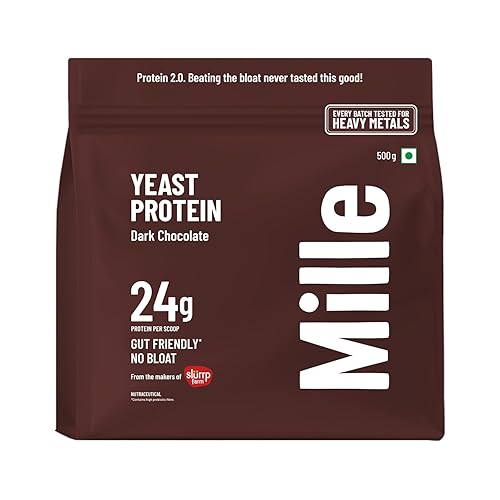
1. Millé Fermented Yeast Protein — Best Overall for Digestion
500g
- 5★ rated
- 100% vegetarian
Millé is our top pick because fermentation does the hard work for your gut. The protein is made from fermented yeast, which is naturally pre-digested — it delivers all nine essential amino acids at 24g per serve, with no added sugar and a genuine no-bloat profile. It carries a rare 5★ rating in our data. The 500g pack is on the smaller side, but if bloating is your main complaint, start here.
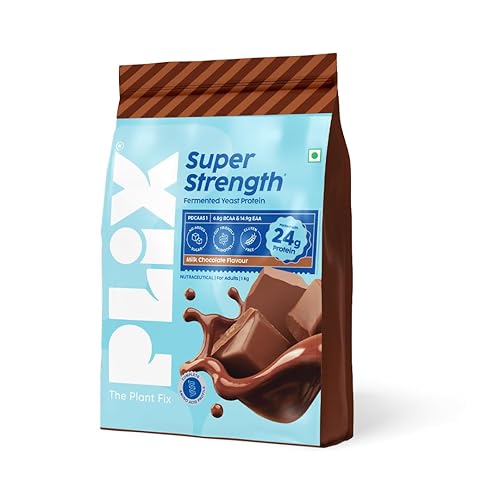
2. PLIX Super Strength Fermented Yeast Protein — Best Protein Quality
1kg
- 5★ rated
- 100% vegetarian
PLIX uses the same fermented-yeast approach but pairs it with papain and bromelain digestive enzymes and hits a PDCAAS of 1.0 — the top score for protein quality, meaning your body can use nearly all of it. 24g protein and 6.8g BCAA per serve, milk-chocolate flavour, 5★. At around ₹2,099/kg it is the priciest here, but it is the most complete protein on the list and still exceptionally gentle.
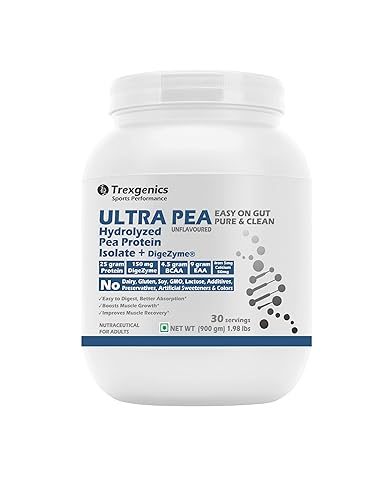
3. Trexgenics Ultra Pea Hydrolysed Isolate — Best for Sensitive Guts
310g
- 4.6★ rated
- 100% vegetarian
If you want a pea protein rather than yeast, hydrolysed is the way to go. Trexgenics pre-breaks the pea isolate into smaller peptides and adds a DigeZyme enzyme complex, so it is easy on the gut by design. You get 25g protein, 4.5g BCAA and 9g EAA per serve — unflavoured and clean — at a very fair ~₹1,186, with a strong 4.6★. Our best value-for-digestion pick.
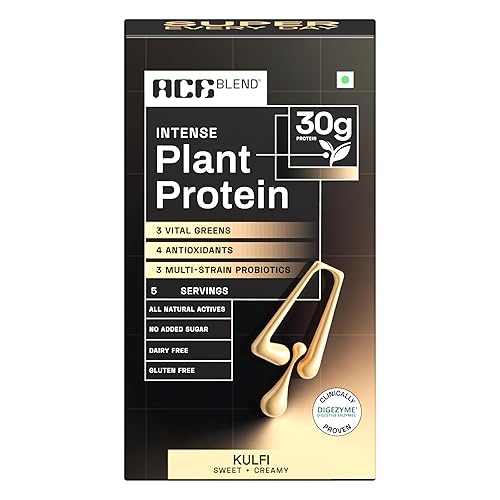
4. Ace Blend Intense Plant Protein — Best Starter Pack to Test Tolerance
215g
- 4.2★ rated
- 100% vegetarian
A pea-and-brown-rice isolate with pineapple-derived digestive enzymes and 2.5 billion CFU of probiotics, explicitly built to be gut-friendly — 30g protein and 6g BCAA per serve. It comes as a small 5-serving pack, which is actually ideal for a digestion piece: use it as a low-risk way to test whether the enzyme-plus-probiotic formula sits well with you before committing to a big tub.
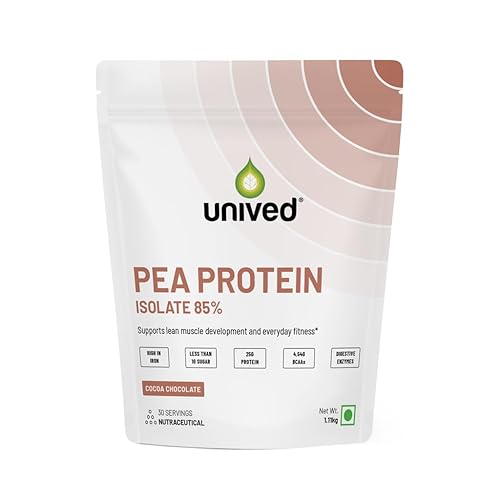
5. Unived Pea Protein Isolate with Digestive Enzymes — Cleanest Label
1kg
- 4.4★ rated
- 100% vegetarian
The cleanest label here. Unived is a pea protein isolate with natural digestive enzymes — non-GMO, sugar-free, and free of soy, dairy, gluten and artificial sweeteners — so there is nothing on the ingredient list to trigger a sensitive stomach. 25g per serve, 4.4★. It is premium at ~₹2,517/kg, but if you react to sweeteners and fillers, this is the safe choice.
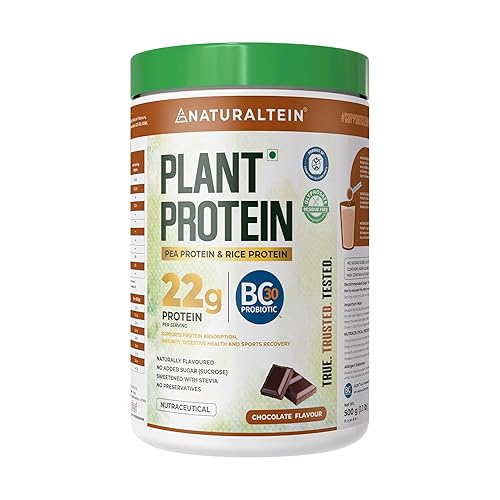
6. Naturaltein Plant Protein with BC30 Probiotic — Best Mid-Budget Gut Pick
550g
- 4.1★ rated
- 100% vegetarian
A pea-and-rice blend built around a BC30 probiotic for gut health, with 22g clean protein and no added sugar, at a reasonable ~₹999. 4.1★. A sensible middle-budget pick if you want the probiotic angle without paying premium-brand prices.
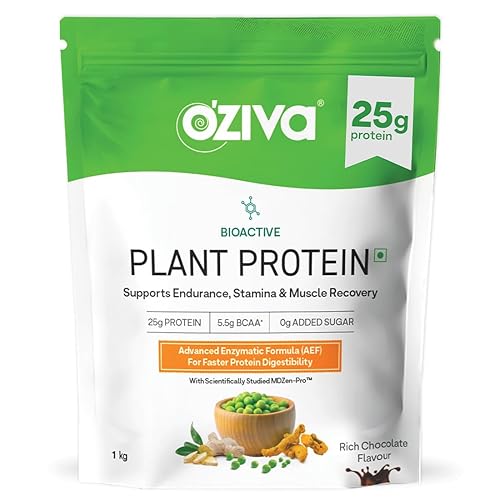
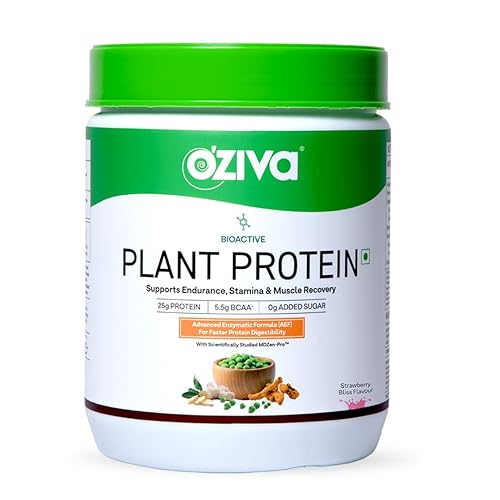
7. OZiva Bioactive Plant Protein — Best Mainstream Brand
1kg
- 4.1★ rated
- 100% vegetarian
The most mainstream, widely trusted brand on the list. OZiva Bioactive blends pea, brown rice and mung bean for 25g protein, is sugar-free, and is easy to find. At ~₹2,205/kg it is not the cheapest and it leans on a standard isolate rather than fermentation, but for buyers who want a familiar name with a clean formula it delivers. 4.1★.
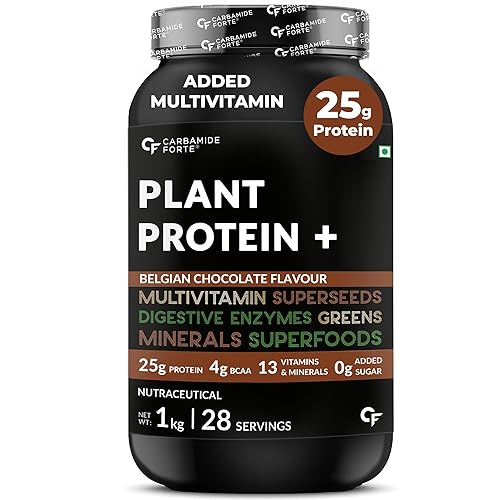
8. Carbamide Forte Plant Protein for Men — Best All-in-One
1kg
- 4.3★ rated
- 100% vegetarian
An all-in-one: pea protein plus digestive enzymes, a multivitamin, minerals and superfoods, so it doubles as your daily micronutrient hit. 4.3★ at ~₹1,610/kg. Good if you would rather not stack a separate multivitamin — just note the added ingredients make it less minimalist than the enzyme-only picks above.
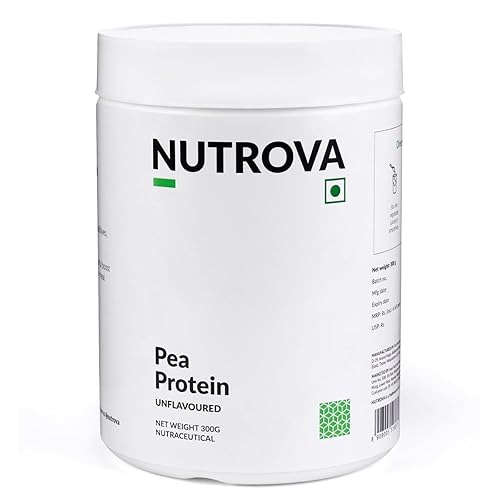
9. Nutrova Pea Protein — Best for Sweetener-Sensitive Stomachs
300g
- 4.3★ rated
- 100% vegetarian
For the sweetener-sensitive. Nutrova is a high-purity (80% protein) pea isolate with no added sugar, no artificial sweeteners and no added flavours — which matters because sugar alcohols and some flavour systems are themselves common causes of bloating. 8g protein per 10g scoop, 4.3★, ~₹766 for 300g. Unflavoured and clean; mix it into a smoothie.
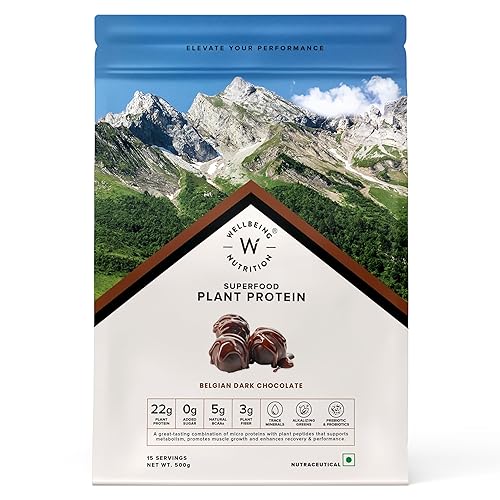
10. Wellbeing Nutrition Organic Vegan Isolate — Best Organic Multi-Source
500g
- 3.9★ rated
- 100% vegetarian
A certified-organic, multi-source isolate — pea, algae, quinoa, pumpkin seed and sprouted amaranth — loaded with the full digestion stack: 3 billion CFU probiotics, digestive enzymes, 3g fibre and alkalising greens, marketed as no-bloating. 22g protein, 3.9★, ~₹1,439 for 500g. The rating is a touch lower than others here, but on paper it is the most comprehensively gut-focused formula on the list.
How to switch to plant protein without the bloat
- Ramp up slowly: half a scoop for the first few days, then build to a full serving over 1–2 weeks
- Pick fermented or hydrolysed first if you have a history of bloating with any protein
- Take it with 250–300ml of water or a smoothie, not a tiny amount of liquid
- Give any new protein at least 10–14 days before judging it — your gut flora need time to adapt
- If soy consistently disagrees with you, move to a pea, rice or yeast base instead
- Skip formulas packed with sugar-alcohol sweeteners and gums if you are prone to gas
→ Best Plant Protein in India 2026 (full ranking)Shop →→ Best Whey Protein in India 2026Shop →→ Best Supplement Stack for BeginnersShop →→ Browse all Plant & Vegan ProteinShop →FAQ — Plant Protein and Digestion
Which plant protein is easiest to digest?
Fermented yeast proteins like Millé and PLIX are generally the easiest, because fermentation pre-digests the protein and removes the anti-nutrients that cause gas. Hydrolysed pea (Trexgenics) is the next gentlest. If your stomach is genuinely sensitive, start with one of those rather than a raw single-ingredient pea or soy powder.
Does plant protein cause gas and bloating?
It can — raw pea and soy contain fibres and oligosaccharides that gut bacteria ferment into gas. The fix is to choose a protein that is fermented, hydrolysed, or dosed with digestive enzymes and probiotics, take a smaller serving at first, and give your gut a couple of weeks to adapt.
Is fermented protein really better for digestion?
Yes, for most people. Fermentation uses microbes to partially break down the protein before you ever consume it, which reduces the load on your own digestion and cuts the compounds responsible for bloating. That is why both our top picks are fermented.
Pea vs soy protein — which is gentler on the stomach?
Both are complete proteins, but soy is more likely to cause gas and some people prefer to avoid it for other reasons. Pea protein — especially isolate, hydrolysed, or with added enzymes — tends to be the gentler everyday choice. If one base disagrees with you, simply switch to the other.
Can lactose-intolerant people take these?
Yes. Every protein on this list is 100% plant-based and completely dairy- and lactose-free, which is exactly why they suit the large number of Indian adults who cannot comfortably digest whey.
Bottom line: if whey leaves you bloated, plant protein can be a genuine upgrade — but only if you pick one built for digestion. Start with a fermented option like Millé or PLIX, or a hydrolysed pea like Trexgenics, ease into it over two weeks, and you get all the protein with none of the discomfort.